
Plants
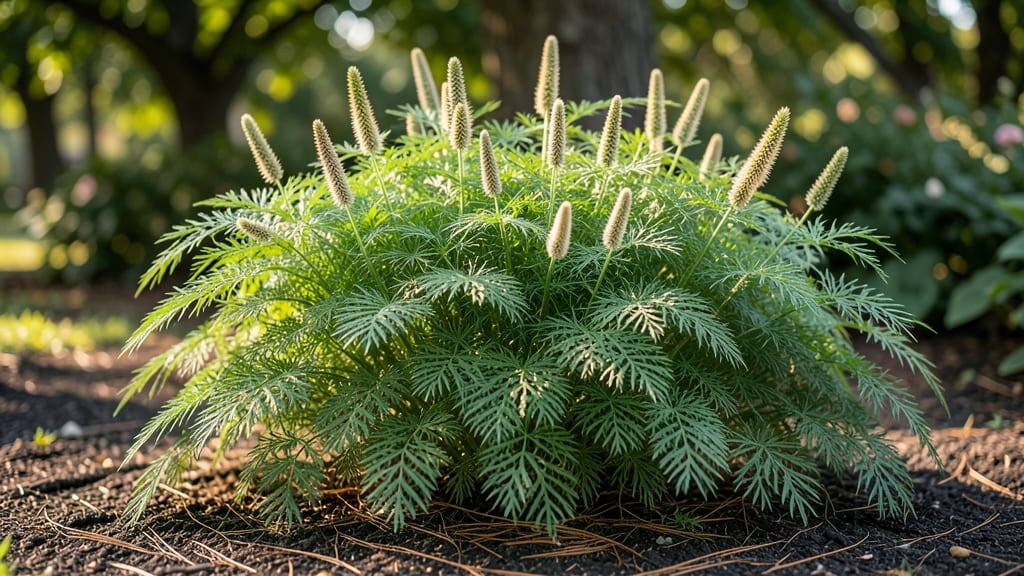
Foxtail ferns are not true perennials in most climates, as they die back completely during freezing temperatures but may regrow from underground rhizomes when conditions warm up. Their ability to return depends heavily on winter severity and protective measures.
This behavior explains why foxtail ferns often appear perennial in milder regions like USDA zones 7-10, where winter temperatures rarely drop below 20°F. 🌱 The key lies in their rhizomes—thick, horizontal roots that store nutrients and can survive light frost when insulated by mulch or soil.
In colder zones, however, even protected plants may need extra care, like moving containers indoors or using thick mulch layers to prevent freeze damage.
What sets foxtail ferns apart from true perennials is their seasonal dormancy cycle. Unlike hardy perennials that stay green year-round, foxtail ferns prioritize energy storage in their roots during warm months. This adaptation makes them more resilient to short cold snaps but vulnerable in prolonged freezes.
For example, Asparagus densiflorus (the most common variety) typically recovers better than Asparagus plumosus because its rhizomes are thicker and more insulated.
💡 In This Article
- Foxtail Fern Cold Hardiness Zones and Survival Factors
- Year-Round Foxtail Fern Care for Cold Climates
Foxtail fern cold hardiness zones and survival factors
Foxtail ferns thrive as perennials in USDA hardiness zones 7-10, where winter temperatures rarely drop below 20°F. This range explains why they naturally regrow each spring in regions like Southern California or Florida.
The secret lies in their rhizomes—thick, horizontal roots that act like underground batteries, storing energy to fuel regrowth. In milder climates, these rhizomes stay protected by 3-4 inches of organic mulch, which insulates them from brief cold snaps.
The real test comes in colder zones (6 or below). Here, prolonged exposure to 15°F or lower can kill rhizomes, turning foxtail ferns into annuals. The duration of frost matters more than the absolute temperature—even 25°F for 3+ weeks can damage unprotected plants.
Soil composition plays a role too: sandy soils drain faster, exposing rhizomes to cold, while loamy soils retain moisture and warmth. 🌡️ For example, a 3-inch layer of straw mulch can raise soil temperature by 5-10°F, making the difference between survival and death.
Species differences further complicate hardiness. Asparagus densiflorus (the common foxtail fern) typically handles 20°F better than Asparagus plumosus, thanks to its denser rhizome structure. However, both struggle in Zone 5 or colder without artificial protection.
The rhizomes' ability to regrow depends on how much of their energy reserve survives—think of it like a plant's emergency fund. A well-mulched plant in Zone 7 might bounce back after 18°F, while the same plant in Zone 6 could fail at 22°F.
What most gardeners overlook is the timing of frost. Early-season freezes (before rhizomes fully mature) are less damaging than late-winter cold snaps, which drain stored nutrients. This is why dividing and replanting foxtail ferns in early fall gives rhizomes time to establish before winter.
In Zone 6-7, adding a 12-inch layer of leaves or pine needles can push survival limits to 15°F—but only if applied before the first hard freeze.
For a visual comparison, imagine two scenarios: a foxtail fern in Zone 8 with 2 inches of mulch survives 22°F, while one in Zone 5 with 4 inches of mulch + frost cloth might still perish at 18°F.
The difference isn't just depth—it's about consistent soil temperature above 25°F for the rhizomes to stay dormant but alive. 🌱
Advanced gardeners in colder zones use heat cables or insulated containers to maintain rhizome viability. These methods mimic the natural insulation of Zone 9+ soils, where foxtail ferns grow as true perennials.
The key takeaway? Foxtail ferns aren't inherently perennial—they're opportunistic regrowers, and their success hinges on protecting their rhizomes from prolonged cold exposure.