
Flowers
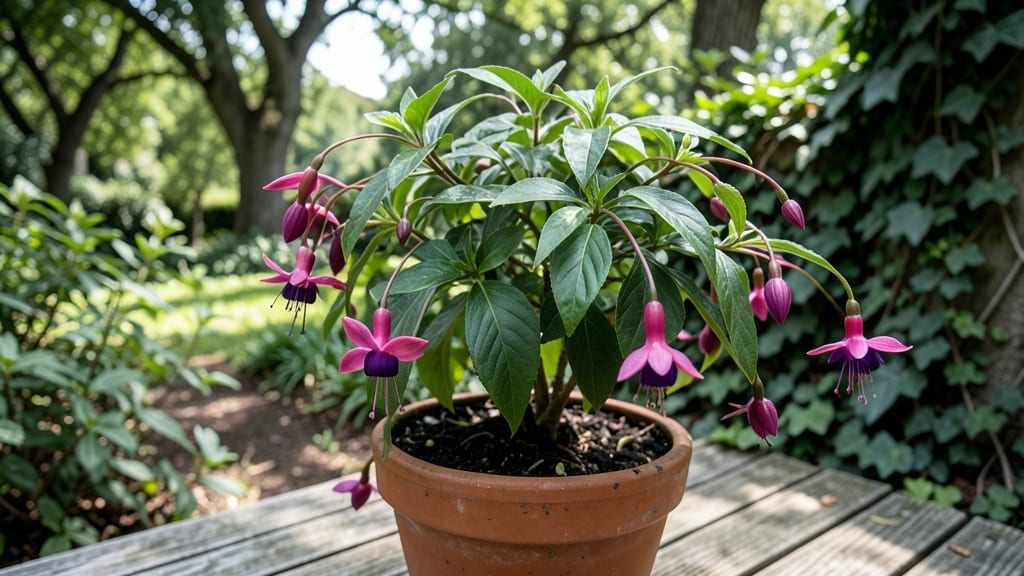
Fuchsias are not naturally perennial in cold climates, but they can thrive year-round in USDA Zones 8-11. In colder regions, you'll need to protect them with mulching, container overwintering, or digging up tubers to prevent frost damage and ensure they bounce back in spring.
Fuchsias vary widely in their cold tolerance, with some species like Fuchsia magellanica handling frost better than tender hybrids. 🌱 The key difference lies in their root systems—hardier varieties develop woody stems that survive light freezes, while tropical types need extra care.
If you live outside Zones 8-11, proper winter prep isn't just about survival; it's about giving your plants the best chance to return stronger next season.
For container-grown fuchsias, moving them to a garage or insulated porch can make all the difference. If you're dealing with tubers, storing them in a cool, dry place with just enough moisture to prevent drying out is crucial.
Many gardeners swear by wrapping containers in bubble wrap or using straw mulch—simple tricks that can save your plants from winter wipeouts.
💡 In This Article
- Fuchsia Cold Hardiness by Variety and USDA Zone
- Step-by-Step Winter Care for Fuchsias in Cold Regions
Fuchsia cold hardiness by variety and USDA Zone
The cold hardiness of fuchsias depends entirely on their species and genetic heritage. Native varieties like Fuchsia magellanica (also called Chilean fuchsia) can withstand temperatures down to -15°F (-26°C), making them true perennials in USDA Zones 6-11.
Their secret lies in woody stems and deep root systems that store energy for regrowth after frost. 🌟 In contrast, most hybrid fuchsias—bred for vibrant blooms—originate from tropical regions and struggle below 20°F (-7°C), requiring winter protection even in Zone 7.
Root structure plays a critical role in survival. Hardy varieties develop thick, fibrous roots that penetrate deep into the soil, accessing moisture and nutrients even in winter. This contrasts with tender hybrids, which often have shallow root systems that freeze when exposed to prolonged cold.
The difference is like comparing a well-insulated house to a thin tent—both may survive a brief chill, but only the sturdy structure thrives through harsh winters.
Temperature tolerance varies even within species. For example, Fuchsia magellanica varieties like 'Riccartonii' handle 10°F (-12°C) with ease, while 'Gracilis' may need extra mulch for 15°F (-9°C) protection.
The key factor is whether the plant's stems are woody or herbaceous—woody types survive better because their vascular tissues contain less water, reducing frost damage risk.
Gardeners in Zones 5-7 often face tough choices between hardy species and showy hybrids. While Fuchsia magellanica might not bloom as prolifically, its reliability makes it a favorite for colder climates.
Hybrid enthusiasts, however, can still grow tropical varieties by using containers or cold frames, trading off winter survival for seasonal blooms.
Another critical factor is the plant's growth habit. Hardy fuchsias often grow as shrubs or small trees, while tender types sprawl as vines. This structural difference affects how well they retain heat—compact forms lose less warmth to the air.
In my own garden, I've noticed that Fuchsia magellanica plants with multiple stems recover better after frost than single-stemmed hybrids.
For those in marginal zones (like Zone 7), microclimates matter. South-facing walls, rock gardens, or raised beds can create 5-10°F warmer conditions, potentially allowing tender varieties to overwinter. The science here is simple: dark surfaces absorb more heat during the day, while dense plantings create insulating air pockets at night.