
Vegetables
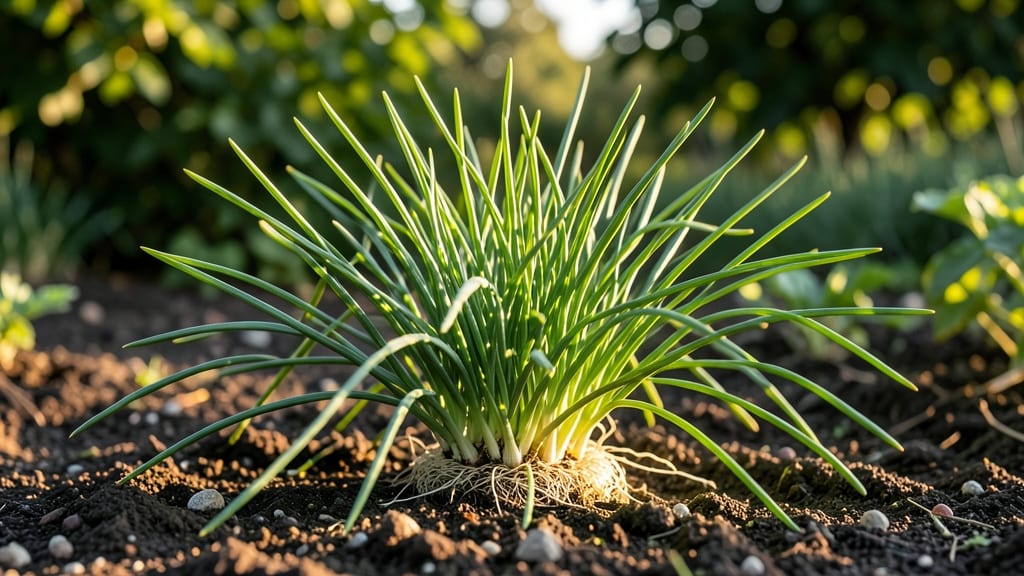
Garlic chives are perennial plants that return year after year in USDA hardiness zones 3 through 9, though they may go dormant in winter and regrow when temperatures warm. Proper mulching and care help them thrive across multiple growing seasons.
These hardy herbs survive winter by developing a robust root system that stores energy for regrowth.
In colder zones like 3-5, they'll often die back to the ground but bounce back vigorously in spring. 🌱 I've seen them come back stronger after winter—almost like they're better prepared for the next season!
The key is protecting their roots with a thick layer of mulch (2-3 inches) before the first frost, which insulates them from extreme cold.
What sets garlic chives apart from annuals is their ability to spread gradually through underground runners, creating denser patches over time. This makes them low-maintenance once established—just trim them back in early spring to encourage fresh growth and prevent them from becoming too woody.
The milder flavors they develop in their second and third years actually make them more flavorful for cooking!
💡 In This Article
- Garlic Chives Cold Hardiness by USDA Zone
- Year-Round Care for Perennial Garlic Chives
Garlic chives cold hardiness by USDA zone
Garlic chives demonstrate remarkable cold resilience thanks to their deep, fibrous root system that stores carbohydrates for energy during dormancy. In zones 3-5, where winter temperatures can plummet to -30°F to -40°F, these roots remain viable even when the above-ground foliage freezes solid.
The magic happens in their rhizomatous growth habit—thick underground stems that act like natural insulation, protecting the crown from extreme cold while maintaining moisture retention.
What's fascinating is how their growth cycle adapts to temperature shifts. When daytime highs reach 50°F in early spring, the roots begin metabolizing stored starches to push new shoots upward. This process is triggered by photoperiod changes (daylight length) rather than just soil temperature.
In my experience growing them in zone 4, they'll often send up fresh green leaves by late April—sometimes even earlier if we get an unseasonably warm spell. The key threshold for regrowth appears to be consistent soil temperatures above 45°F for at least 5-7 days.
Zone 6-7 gardeners enjoy the advantage of milder winters, where garlic chives might only yellow and slow down rather than completely die back. Here, the real challenge becomes preventing them from becoming too aggressive—those underground runners can spread 12-18 inches per season if unchecked!
The plant's natural dormancy period actually helps control this spread by redirecting energy storage underground during cooler months. 🌱
In warmer zones (8-9), garlic chives behave almost like annuals in terms of growth vigor, producing continuous foliage with minimal dormancy. However, they still benefit from the same cold protection principles—just applied differently.
A light mulch in these zones helps maintain even soil temperatures and prevents the roots from overheating during summer's peak. What's interesting is how their flavor intensity actually increases with age: second-year plants develop more pronounced garlic notes, making them particularly valuable for gardeners in milder climates.
One often-overlooked factor is how well garlic chives tolerate wet winters. Unlike many perennials that suffer from root rot in soggy conditions, their fibrous root system actually thrives with consistent moisture—just not standing water.
This makes them exceptionally low-maintenance in regions with high precipitation, like the Pacific Northwest. The secret lies in their aerenchyma tissue, which creates air channels within the roots to prevent waterlogging damage.
For gardeners pushing the limits in zone 3, the difference between success and failure often comes down to snow cover. A 6-inch blanket of snow provides R-value insulation equivalent to about 2 inches of mulch, protecting the crown from temperature swings.
I've seen plants in my zone 3 garden survive -35°F winters with just this natural protection—though I still add a 2-inch layer of straw mulch as an extra precaution.
The lesson here is that garlic chives don't just survive winter—they use it as an opportunity to strengthen their root systems for the following season.