
Flowers
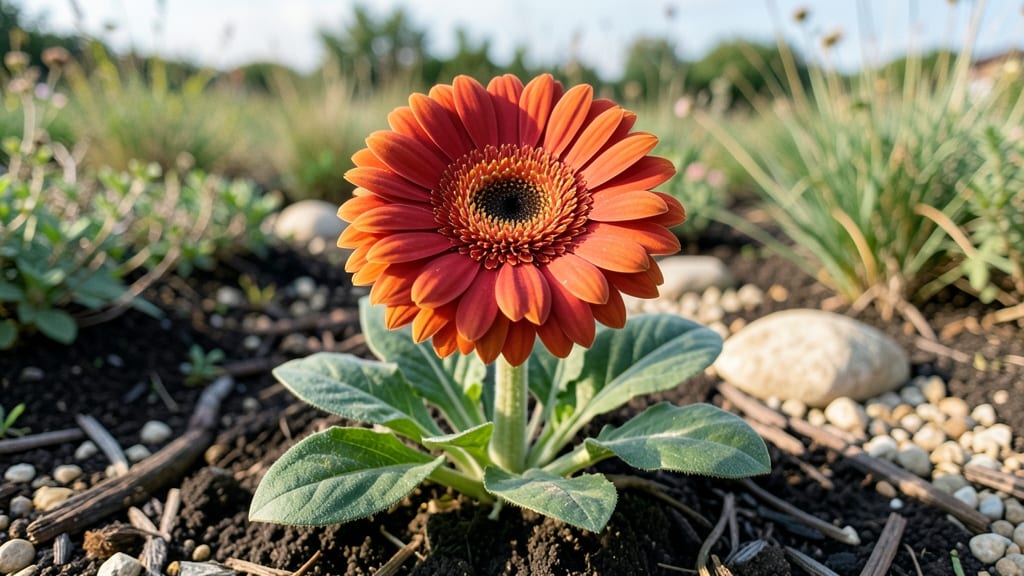
Gerbera daisies are not true perennials in most climates—they behave like annuals in cooler regions but can return yearly in frost-free zones such as USDA Zones 10-11. Their tuberous roots withstand mild winters, but freezing temperatures kill them back to the ground, forcing gardeners to replant each spring in colder areas.
Gerbera daisies might fool you into thinking they're perennials because they produce vibrant blooms for months, but their underground tubers simply don't have the cold-hardiness of true perennials like daylilies. 🌱 The key difference lies in their root structure—gerbera tubers contain high water content that freezes and ruptures when temperatures drop below 25°F.
Even in Zone 9, they often need winter protection, while in Zones 10-11, they naturally persist year-round thanks to warmer climates. Many gardeners mistakenly assume they'll return after winter without proper care, only to find their plants have died back completely.
What makes this tricky is how gerbera daisies look thriving in pots or garden beds during growing season. Their lush foliage and cheerful blooms create the illusion of hardiness, but once frost hits, the damage is often irreversible.
Unlike coneflowers or black-eyed Susans, which develop deep, insulating root systems, gerbera tubers lack this protective adaptation. This is why they're classified as tender perennials—they can survive multiple years only when protected from freezing.
💡 In This Article
- Why Gerbera Daisies Die Back in Cold Weather
- How to Overwinter Gerbera Daisies in Cold Climates
Why gerbera daisies die back in cold weather
Gerbera daisies rely on tuberous roots that store moisture and nutrients, but this water-rich structure becomes their Achilles' heel in cold weather. When temperatures drop below 25°F, the water inside these tubers freezes and expands, causing cellular damage that's often irreversible.
Unlike true perennials like daylilies, which develop deep, woody rhizomes insulated by multiple layers of protective tissue, gerbera tubers lack this natural armor. Their high moisture content—typically 70-80% of their weight—makes them particularly vulnerable to frost-induced rupture.
The science gets even more interesting when you consider how gerbera daisies handle dormancy. In their native South African savannas, these plants experience dry winters rather than freezing ones, so their biological mechanisms haven't evolved to withstand sub-freezing temperatures.
When gardeners in colder climates plant them, the tubers attempt to enter dormancy but fail because the cold triggers cell death rather than the gradual dehydration seen in true perennials.
This is why you'll often see gerbera foliage blacken overnight after the first frost—it's not just wilting, but actual cellular collapse.
Comparing gerbera daisies to more cold-hardy perennials highlights their fragility. Take coneflowers (Echinacea), which can survive down to -30°F thanks to their thick, fibrous root systems that store starches rather than water.
Or consider black-eyed Susans (Rudbeckia), whose deep taproots penetrate 3-4 feet into the soil, accessing warmer ground layers. Gerbera tubers, by contrast, typically stay within the top 6-12 inches of soil, leaving them exposed to surface temperature fluctuations.
This shallow root system explains why even a light frost can devastate gerbera plants overnight.
What makes this particularly frustrating for gardeners is how gerbera daisies perform during their growing season. Their vibrant red, orange, yellow, or pink blooms appear continuously from early summer until frost, creating the illusion of hardiness.
The plants grow 12-24 inches tall with fern-like foliage that looks lush and healthy right up until the first freeze. This seasonal performance makes them popular choices for gardeners who want long-lasting color, but the post-frost disappointment often comes as a shock to those unfamiliar with their true botanical nature.
Even in marginally cold climates like Zone 9, where temperatures might dip to 20°F, gerbera tubers often fail to survive without protection.
The key difference between these zones and frost-free Zones 10-11 is that Zone 9 winters are still cold enough to trigger the freezing process in gerbera tubers, while Zones 10-11 maintain temperatures above 30°F consistently.
This 5-10°F difference is all that separates gerbera daisies from being true perennials in gardeners' eyes versus their actual biological limitations.
Here's what's actually happening at the cellular level: When temperatures drop below freezing, the water in gerbera tubers forms ice crystals that pierce cell walls. This physical damage disrupts the plant's ability to absorb water and nutrients in spring, even if the tuber itself appears intact.
True perennials have developed mechanisms to either supercool their cells or produce antifreeze proteins—neither of which gerbera daisies possess.
This biological limitation explains why you'll often hear gardeners say their gerbera daisies "came back" after winter—what they're actually seeing is new plants growing from tubers that survived with minimal damage, not the same plants that persisted through true dormancy.