
Plants
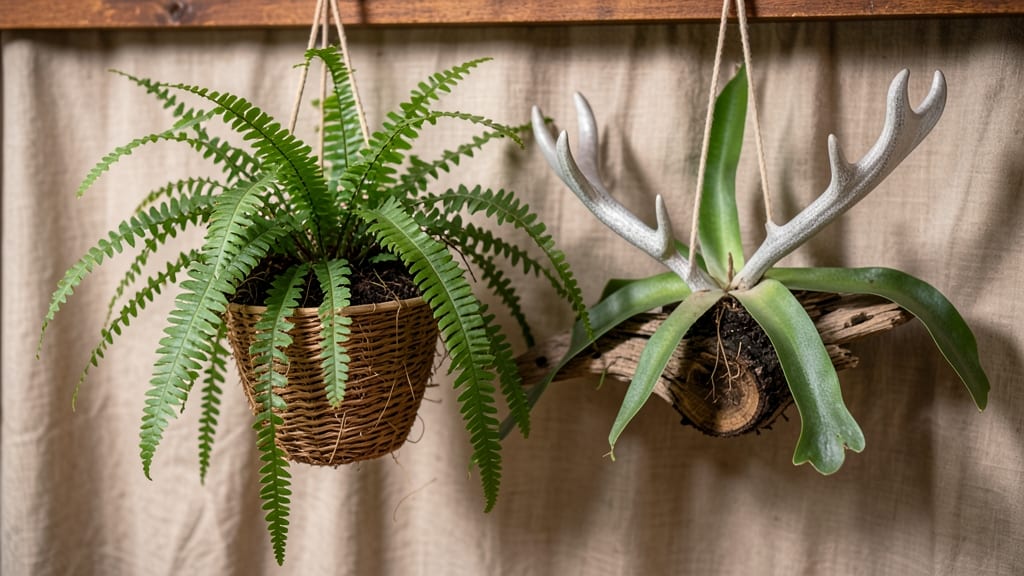
Hanging ferns are perennials in most climates, though they may appear dormant or die back in winter. Their rhizomes survive underground or in soil, regrowing new fronds once temperatures warm again—provided they’re protected from freezing conditions.
Hanging ferns are actually seasonal survivors—their above-ground fronds often brown and crisp in winter, but the real plant lives on underground. 🌿 The rhizomes store energy like a natural battery, waiting for spring's warmth to trigger fresh growth.
This explains why some gardeners mistake dormant ferns for dead plants! In colder regions, mulching or moving containers indoors can make all the difference between annual replacement and perennial reliability.
What's fascinating is how these plants adapt: some varieties like Boston ferns handle colder climates better than tropical Maidenhair ferns. The key difference lies in their native habitats—one evolved for New England winters while the other thrives in humid rainforests.
This biological strategy lets them "pause" growth during harsh seasons while maintaining their perennial status.
💡 In This Article
- How Hanging Ferns Survive Winter Through Rhizome Biology
- Climate-Specific Care for Year-Round Hanging Fern Growth
How hanging ferns survive winter through rhizome biology
The secret to hanging ferns' perennial survival lies in their specialized underground stems called rhizomes. These horizontal, creeping structures function like a plant's energy reserve system, storing carbohydrates and nutrients during dormancy.
When temperatures drop below 40°F, the above-ground fronds enter a natural state of dormancy, but the rhizomes remain metabolically active just enough to maintain cellular integrity—think of it as a hibernation mode for plants.
Rhizomes contain meristematic cells that can rapidly divide when conditions improve. The trigger for regrowth is a combination of warmth (above 50°F) and increased moisture—typically in early spring when soil temperatures stabilize. This is why you'll often see new fronds emerging from the soil before any significant above-ground warming occurs.
The rhizome's ability to regenerate makes it one of nature's most efficient survival strategies, similar to how bamboo's underground stems can regrow after being cut down.
Not all hanging fern varieties have equal cold tolerance. Boston ferns (Nephrolepis exaltata) can survive temperatures down to -10°F when properly mulched, while tropical varieties like Maidenhair ferns (Adiantum) typically need protection above 20°F.
The difference comes down to their native climates: Boston ferns evolved in temperate zones where winter dieback is normal, while Maidenhair ferns originate from rainforests with consistent warmth.
This biological adaptation explains why some gardeners in colder zones need to treat their ferns like seasonal plants when they're actually perennials with the right care.
Moisture management is equally critical during dormancy. While ferns can tolerate some dryness, completely dry rhizomes risk losing their stored energy reserves.
In containers, this means keeping the soil slightly moist (about 30-40% moisture content) through winter, while in-ground plants benefit from a 3-4 inch layer of mulch that insulates against temperature swings. The mulch creates a microclimate that maintains stable soil temperatures—critical for preventing rhizome damage from freeze-thaw cycles.
What's particularly interesting is how ferns time their dormancy. Most species enter dormancy when daylight hours drop below 12 hours, a physiological response called photoperiodism. This internal clock ensures they don't waste energy on growth when conditions are unfavorable.
The rhizomes then enter a state where they maintain just enough cellular activity to stay alive—a balance between complete dormancy (which could kill them) and active growth (which would deplete reserves). This precise biological timing is what allows hanging ferns to appear dead while actually preparing for next year's growth.
For gardeners, understanding this biology means knowing when to intervene. If you're growing ferns in containers in zone 5 or colder, moving them to an unheated garage (where temperatures stay between 30-40°F) can be the difference between annual replacement and perennial reliability.
The rhizomes will remain dormant but viable, ready to burst back to life when spring arrives and you return them to outdoor conditions. This is why many gardeners swear by overwintering containers—they're essentially giving the plant's natural survival mechanism a helping hand.