
Orchid Care
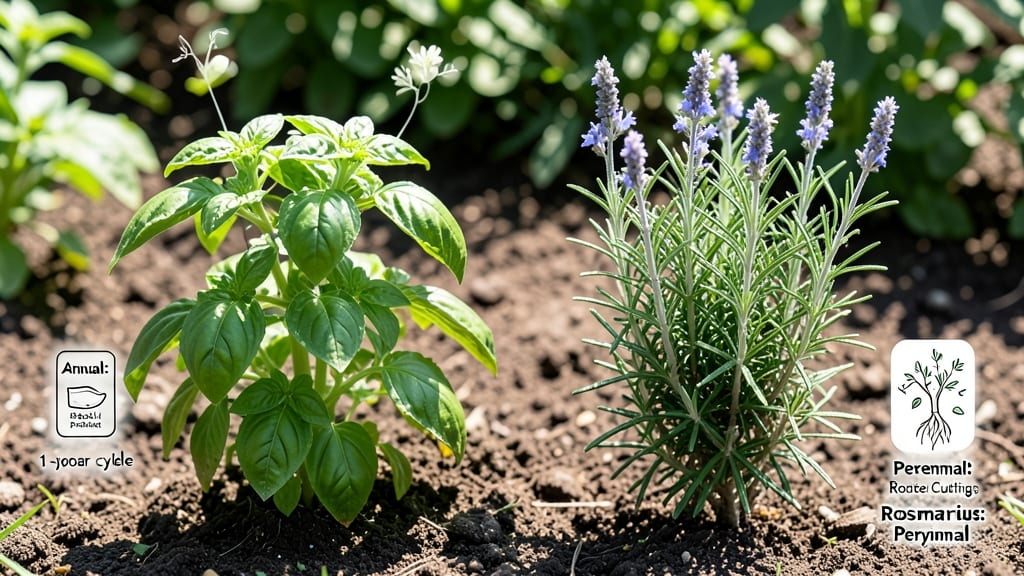
Whether herbs are annuals or perennials depends entirely on the variety and growing conditions—basil and cilantro complete their life cycle in one season, while rosemary and thyme return year after year in warm climates. Cold-hardy varieties like mint and chives often persist through winters in frost-free zones.
Herbs don't follow a one-size-fits-all rule—it's all about their natural growth patterns and where you live. 🌿 For example, Mediterranean herbs like oregano and thyme thrive as perennials in USDA zones 5-10, while tropical varieties such as cilantro bolt and die when temperatures climb above 75°F. Even "perennial" herbs might need winter protection in colder regions, like bringing potted rosemary indoors before frost.
The key is matching the herb's native climate to your growing conditions—this determines whether you'll enjoy fresh harvests for years or need to replant annually.
Understanding these differences helps you plan your herb garden more effectively. For instance, if you love fresh basil all summer, you'll need to start new plants each spring since it won't survive winter in most climates.
On the other hand, hardy perennials like lavender or sage can establish strong root systems that make them low-maintenance once established. This knowledge also explains why some herbs taste better in their first year—annuals often focus all their energy on leaf production, while perennials might take time to mature fully.
💡 In This Article
- How Climate Zones Affect Herb Lifespan
- Top 10 Herbs Categorized by Growth Cycle
How climate zones affect herb lifespan
Herb lifespan hinges on temperature tolerance and frost sensitivity. Annual herbs like basil and cilantro thrive in 60-75°F ranges but die when temperatures drop below 32°F. Their life cycle completes in one growing season, typically 90-120 days, after which they bolt (flower) and perish.
Perennial herbs, however, have evolved to survive harsh winters in their native climates—rosemary and thyme, for example, endure 10-25°F dips in Mediterranean regions.
The USDA Plant Hardiness Zone Map becomes your best friend when planning perennial herbs. 🌱 In Zone 5 (average -20°F winters), hardy perennials like mint and chives survive outdoors, while tender varieties (e.g., oregano) need winter protection.
In Zone 10 (no frost), even "annual" herbs like dill may persist year-round if given consistent moisture. The key mechanism is cold acclimation: perennials produce antifreeze proteins that protect cell membranes during freeze-thaw cycles.
Frost isn't the only factor—day length matters too. Many herbs (like parsley) enter dormancy when daylight shortens, conserving energy until spring. This explains why some "perennials" act like annuals in colder climates: their energy reserves get depleted before winter.
A simple solution is mulching with 4-6 inches of straw to insulate roots, maintaining soil temps 10-15°F warmer than air temps.
Container growing offers another climate workaround. Potted herbs like rosemary can be moved indoors before 40°F temps arrive, extending their lifespan indefinitely. This technique works because containerized plants have shallower root zones that freeze faster—but you control their environment.
The tradeoff? Potted herbs often grow slower than in-ground varieties due to limited root space.
What most gardeners overlook is soil moisture retention. Perennials in dry climates (like lavender) need well-draining soil to prevent root rot during winter thaws.
Annuals, meanwhile, often thrive in moist conditions during their single growing season. 💧 The right soil mix can turn a marginal climate zone into a perennial-friendly environment—for instance, adding 30% compost to sandy soil improves moisture retention by 40%**.
Here's the practical takeaway: In colder zones, treat "perennial" herbs as annuals unless you provide winter protection. In warm zones, even some annuals may persist. The secret lies in observing your local microclimate—sheltered spots often stay 5-10°F warmer than open areas, making them prime locations for borderline perennials.