
Plants
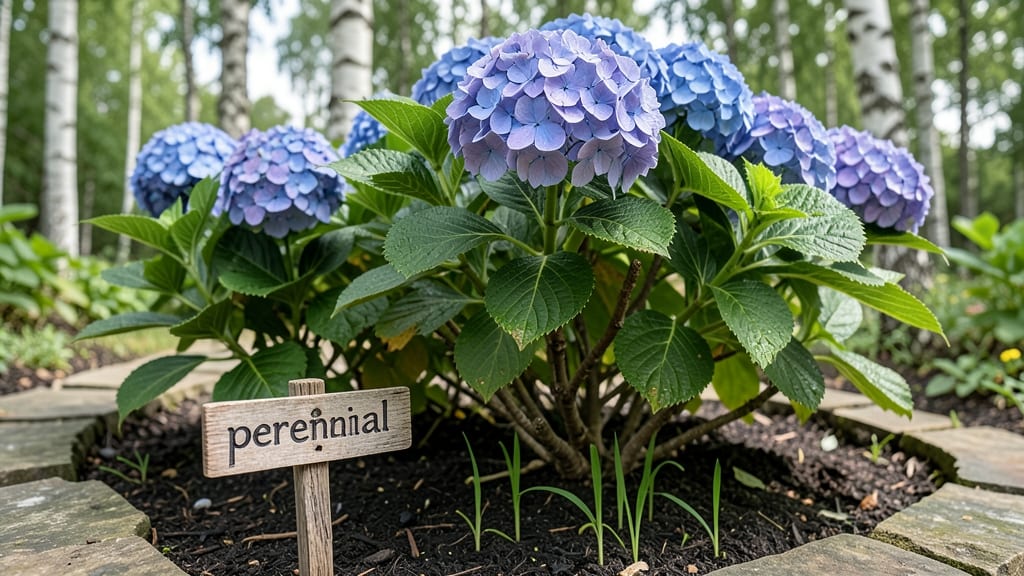
Yes, hydrangeas are perennial plants that thrive year after year, though their stems often die back in winter. This dormancy is normal—the roots and crown stay alive underground, storing energy to fuel dramatic regrowth when spring temperatures warm the soil.
Hydrangeas prove their perennial nature through a clever survival strategy: they shed their above-ground growth each winter while keeping their root systems active. 🌱 This isn't death—it's nature's way of conserving energy during cold months.
What's fascinating is how different varieties adapt: some like Oakleaf hydrangeas keep their leaves through winter, while others like Bigleaf types go completely bare. The key to their reblooming success lies in protecting those roots from freezing and providing proper nutrients when they wake up in spring.
This seasonal cycle explains why gardeners often see hydrangeas "come back to life" each spring—what appears dormant is actually preparing for another season of vibrant blooms.
The timing of this regrowth depends on your climate zone, with most varieties in USDA zones 5-9 showing new shoots by late April or May. Understanding this process helps you time pruning and fertilization for maximum impact.
💡 In This Article
- How Hydrangea Dieback Works in Winter
- Caring for Perennial Hydrangeas Through Seasons
How hydrangea dieback works in winter
Hydrangea dieback is a survival mechanism triggered by cold temperatures below 20°F, where stems lose moisture and become brittle. The plant's roots and crown (the thickened stem base) remain alive underground, storing carbohydrates and nutrients in specialized cells called parenchyma.
This energy reserve fuels regrowth when soil temperatures reach 50-55°F in spring. Think of it like a bear hibernating—what looks dead is actually conserving energy for renewal.
Deciduous hydrangeas (like Bigleaf and Panicle types) undergo complete stem dieback, while evergreen varieties (such as Oakleaf) retain some foliage through winter.
The difference lies in their leaf structure: evergreen types have thicker, waxier leaves that resist freezing damage. 🌿 In cold climates (USDA zones 5-6), even evergreen hydrangeas may drop leaves to conserve moisture, though their stems stay green.
This adaptation explains why some varieties appear "alive" in winter while others look completely dormant.
The regrowth trigger is twofold: soil temperature and daylight hours. When soil warms to 50°F for several days, root activity resumes, and hormonal signals (like cytokinins) stimulate bud formation. Daylight length also matters—longer spring days provide the energy needed for new shoots.
This is why hydrangeas in zone 7 often sprout 2-3 weeks earlier than those in zone 5, where colder soils delay the process.
What's often misunderstood is that dieback isn't a sign of death—it's a calculated retreat. The root system can survive up to 10 years without above-ground growth if conditions are right, though proper winter care (like mulching with 4-6 inches of organic matter) ensures stronger reblooming.
Without this protection, roots may weaken, leading to slower regrowth or fewer blooms the following season.
Consider the Annabelle hydrangea, a classic example: its stems freeze solid in winter, yet the crown remains viable. When spring arrives, new shoots emerge from the base, often within 2-4 weeks of consistent 60°F daytime temperatures.
This rapid regrowth is possible because the plant's energy reserves were never fully depleted—just temporarily redirected underground.
For gardeners in transitional climates (like zone 6), late frosts can be tricky. If new shoots appear in April but temperatures drop again, they may freeze back. This is why experienced growers wait until mid-May to prune dead stems—giving nature a second chance to establish growth before cutting.
The science behind this dormancy reveals hydrangeas' resilience. Their root systems contain antifreeze proteins that prevent ice crystals from forming, while the crown's meristem cells (growth centers) stay protected by insulating bark layers. This biological adaptation is what turns a seemingly dead plant into a perennial powerhouse each spring. 🌱