
Plants
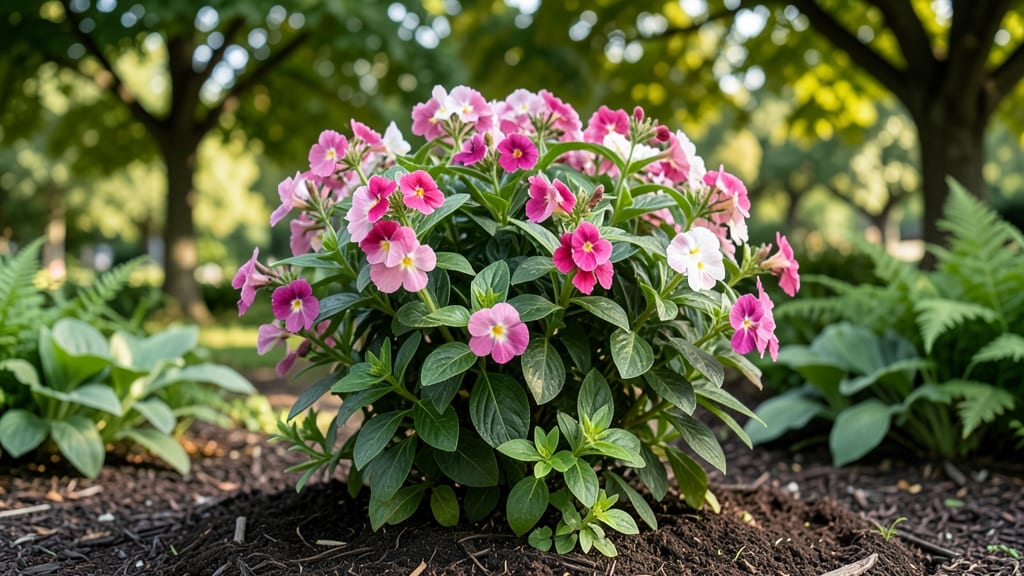
Impatiens are not true perennials in most climates—they die back annually in frost but often self-seed prolifically, returning each spring. In frost-free zones (USDA 10-11), they may persist year-round with proper care.
Impatiens act more like annuals in cold regions because their stems freeze easily, even with light frost. 🌱 Unlike hardy perennials, they lack the tough root systems to survive winter dormancy, which is why gardeners in colder zones replant them yearly.
However, their ability to self-sow means you’ll often see new seedlings popping up without any effort on your part—just let them go to seed in late summer for a surprise spring display.
In warmer climates, impatiens can thrive continuously if protected from extreme heat stress. I’ve seen them flourish in containers moved to shaded spots during peak summer, proving they’re adaptable when given the right conditions.
The key difference lies in their growth habit: while they won’t survive freezing soil, their fast reproduction cycle makes them feel perennial in practice.
💡 In This Article
- Why Impatiens Die Back in Cold Climates
- How to Extend Impatiens’ Lifespan in Gardens
Why impatiens die back in cold climates
Impatiens belong to the Balsaminaceae family, and their stems contain high moisture levels—around 80-90% water content—which makes them highly susceptible to freezing. When temperatures drop below 32°F, the water in their stems expands and ruptures cell walls, causing irreversible damage.
This is why even a light frost can kill them back to the ground, unlike hardy perennials like hostas, which have thick, insulated rhizomes that survive winter intact.
Their shallow root systems (6-12 inches deep) also lack the energy reserves to regenerate after frost damage. True perennials store nutrients in roots or bulbs, but impatiens redirect all energy into rapid above-ground growth during their 60-90 day bloom cycle.
This growth habit prioritizes flowers and foliage over winter survival, making them behave like annuals in cold zones. 🌱 Even in milder winters, their stems often blacken and collapse when exposed to prolonged 28-32°F temperatures.
What sets impatiens apart is their self-seeding strategy rather than true perennialism. When mature plants produce seed pods (which explode when touched!), they scatter thousands of tiny seeds that germinate the following spring.
This natural regeneration creates the illusion of perennial behavior, but the parent plants themselves rarely survive winter. In contrast, perennials like daylilies regrow from the same root system year after year.
Another key difference is their tropical origin—impatiens hail from East Africa and Southeast Asia, where they thrive in humid, warm climates with consistent moisture. Their leaves even have a waxy coating that helps retain water, but this adaptation doesn't protect them from cold.
Unlike cold-hardy plants that develop antifreeze proteins in their cells, impatiens lack these biological defenses, making them vulnerable to even brief cold snaps.
Consider this comparison: While hostas can endure -20°F winters thanks to their tough leaves and underground storage, impatiens wilt at 35°F. Their delicate nature is what gives them their lush, vibrant appearance—but it's also why they require annual replanting in most U.S. growing zones (USDA 3-9).
The trade-off is their prolific seeding, which often results in more plants than you started with!