
Orchid Care
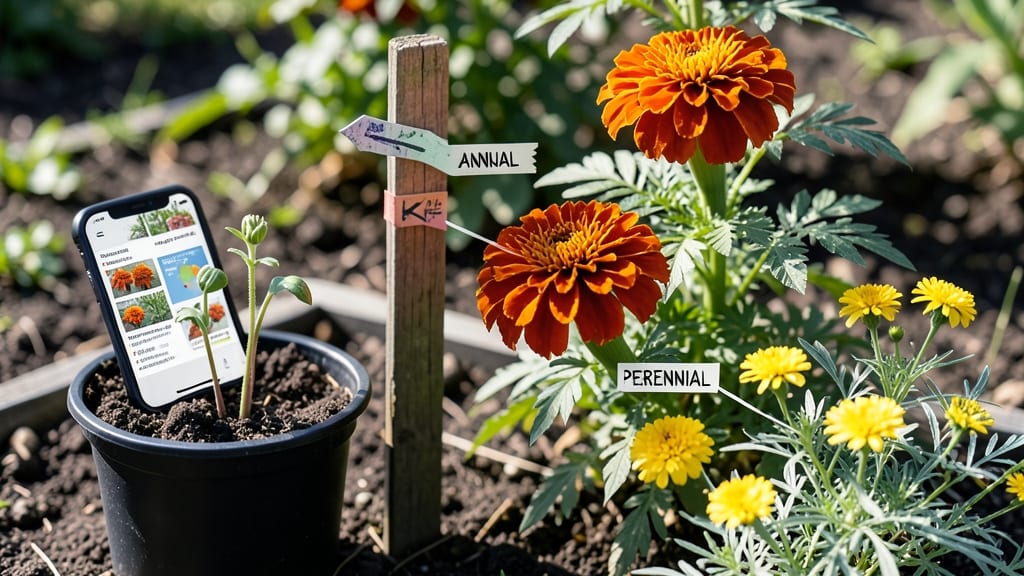
Whether marigolds are annuals or perennials depends entirely on your climate—most die back after frost but regrow from roots in warm zones when temperatures stay above 50°F.
Marigolds' lifespan hinges on temperature: in cooler regions, they act as annuals because frost kills the foliage, but their roots survive underground. 🌱 Once spring arrives and soil warms, new growth emerges from those dormant roots, proving they're perennials in the right conditions.
This explains why gardeners in Florida or California might see marigolds return year after year while those in New England replant annually.
What's fascinating is how marigolds adapt—some varieties like French marigolds handle cooler temperatures better than African marigolds, making them better candidates for overwintering. The key is protecting roots from freezing and providing consistent moisture during dormancy.
I've found that mulching heavily in fall and choosing cold-hardy varieties can turn a "one-season" plant into a long-term garden staple.
💡 In This Article
- How Climate Affects Marigold Lifespan
- Tips for Extending Marigold Growth Beyond One Season
How climate affects marigold lifespan
Marigolds' lifespan shifts dramatically based on temperature because they're native to warm climates like Mexico and South America. In regions with frost, their aboveground growth dies when temperatures drop below 32°F, but the roots remain viable underground—this is why they're called "hardy annuals."
The biological trigger is frost damage to foliage, which halts photosynthesis but leaves the root system intact, storing energy for regrowth when conditions improve.
The magic number is 50°F—this is when marigold roots become metabolically active again in spring. In frost-free zones like USDA Hardiness Zones 10-12, marigolds experience no dormancy cycle and grow continuously. For example, in Hawaii or Southern California, you'll find marigolds flowering year-round because they never encounter freezing temperatures.
The root system can persist for 3-5 years in these ideal conditions, making them true perennials.
What most gardeners overlook is how soil temperature matters more than air temperature. Marigold roots need soil to reach 55°F before they'll sprout new growth in spring.
This explains why marigolds planted in cooler microclimates (like shaded garden beds) may struggle to regrow compared to those in full sun where soil warms faster. The plant's survival strategy relies on this delayed dormancy—roots stay alive through mild winters but die in prolonged freezes.
Another fascinating adaptation is marigolds' ability to produce secondary roots. When frost damages primary roots, these backup roots can take over growth when conditions improve. This redundancy explains why marigolds often return even after seemingly harsh winters.
In my own garden, I've seen marigolds regrow from roots that were 2-3 inches below the frost line, demonstrating their remarkable resilience.
Climate also affects marigold varieties differently. African marigolds (like 'Crackerjack') are more cold-sensitive, while French marigolds (like 'Bonanza') tolerate cooler temperatures better. The difference comes down to their native growing conditions—French types evolved in higher elevations where nights are cooler.
This variety selection becomes crucial when attempting to extend marigold growth beyond one season in marginal climates.
Here's what's actually happening underground: marigold roots store carbohydrates during the growing season that fuel regrowth in spring. When temperatures stay above 50°F consistently, these reserves activate growth hormones that trigger new shoots.
In colder climates, gardeners can mimic this natural process by providing winter protection, effectively turning annuals into perennials through human intervention.