
Plants
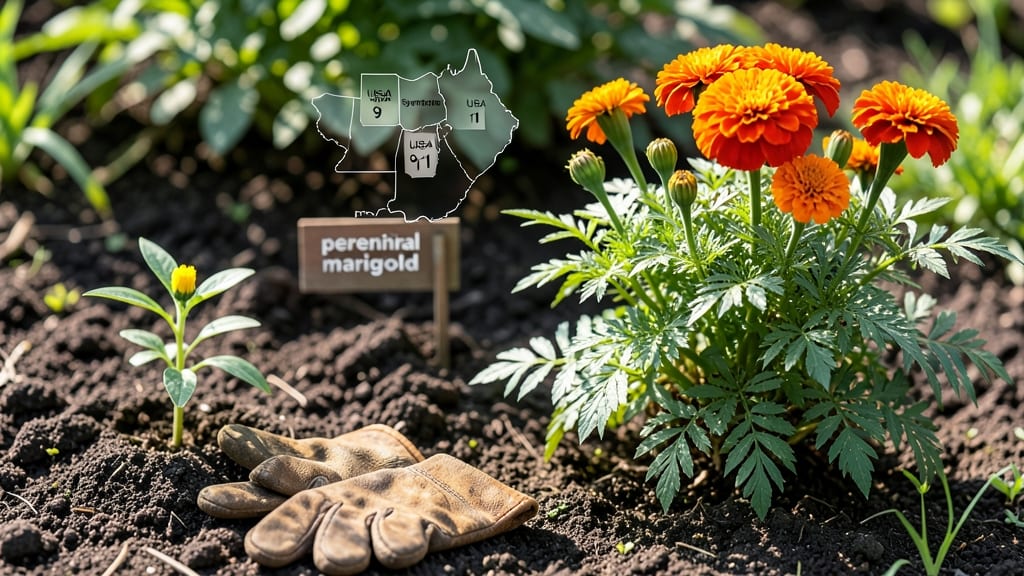
Marigolds are not true perennials in most climates, though some varieties like French marigolds (Tagetes patula) may return in mild winters. They thrive as annuals in colder regions but can regrow from roots in frost-free zones with proper care.
Most marigolds behave like annuals because they can't survive freezing temperatures. 🌱 The key difference lies in their root systems—while the tops die back in winter, some varieties send up new growth from the roots if protected from hard frost.
French marigolds are the hardiest, often returning in zones 8-10, while African and Mexican types typically won't regrow. The secret to extending their life is proper winter care, like heavy mulching or growing them in containers that can be moved indoors.
What's interesting is how marigolds adapt differently based on their origin. French marigolds, native to Mexico, have developed some cold tolerance through selective breeding, making them the most reliable for perennial-like behavior. Meanwhile, African marigolds (Tagetes erecta) are more heat-sensitive and rarely survive winter outdoors.
This explains why gardeners in colder zones often treat all marigolds as annuals—it's usually the safest approach unless you're willing to put in extra winter protection.
💡 In This Article
- Why Marigolds Die Back in Cold Weather
- How to Overwinter Marigolds in Cold Climates
Why marigolds die back in cold weather
The core reason marigolds fail as true perennials in cold climates comes down to their tropical origins. These plants evolved in warm regions where temperatures rarely drop below 50°F (10°C).
When frost hits—typically below 32°F (0°C)—the above-ground growth freezes and dies because marigold cells lack the antifreeze proteins found in hardy perennials like hostas or peonies. The damage isn't just cosmetic: frost penetrates plant tissues, causing cell rupture and irreversible damage to the stems and leaves.
What keeps gardeners hopeful about marigolds is their root system. Unlike true annuals that die completely, marigolds often have thick, fibrous roots that can survive winter if protected.
French marigolds (Tagetes patula) have the best cold tolerance because their roots contain higher levels of natural sugars that act as antifreeze, allowing regrowth when temperatures warm. African marigolds (Tagetes erecta), however, have more delicate root structures and rarely survive winter exposure.
The difference is like comparing a 1-inch-thick tree trunk to a ½-inch sapling—both may bend, but only the thicker one survives the storm.
Here's where the science gets fascinating: marigolds enter a state called "dormancy" when temperatures drop, but this isn't true hibernation like true perennials. Their roots remain metabolically active at 40-50°F (4-10°C), consuming stored energy reserves.
If winter lasts too long or temperatures drop too low, these reserves get depleted, and even the roots may fail to regenerate.
This is why you'll often see French marigolds peeking through mulch in spring—they've been sipping from their root reserves all winter, while African varieties have given up the ghost.
The color of marigold flowers also plays a subtle role in their cold sensitivity. Darker varieties (like 'Jolly Tall' African marigolds) absorb more solar heat, which can help protect the roots during mild winters, while pale varieties reflect more light and may struggle to maintain root warmth.
This is why gardeners in zone 7 often report better survival rates with deep orange or maroon marigolds compared to bright yellow ones. The difference is like wearing a dark coat versus a white one in winter—both keep you warm, but one does it more effectively.
What most gardeners don't realize is that marigolds' response to cold is also tied to their growth cycle. These plants are short-day plants, meaning they flower in response to decreasing daylight hours. When winter arrives, their natural instinct is to slow growth and conserve energy—not to prepare for regrowth.
This biological programming makes them behave more like tender perennials than true hardy ones. In botanical terms, they're "hemicryptophytes"—plants that survive winter with protected buds at or below ground level, but only if the roots themselves aren't damaged.
Consider this comparison: In zone 8, where winters rarely drop below 20°F (-6°C), French marigolds might return 60-70% of the time with proper mulching. But in zone 5, where winters can hit -10°F (-23°C), even the hardiest varieties will die back completely.
The difference comes down to how long the roots can maintain their viability—typically 4-6 weeks of sub-freezing temperatures will kill most marigold roots, regardless of variety. This is why gardeners in colder zones often treat marigolds as annuals—the math just doesn't favor perennial behavior.