
Orchid Care
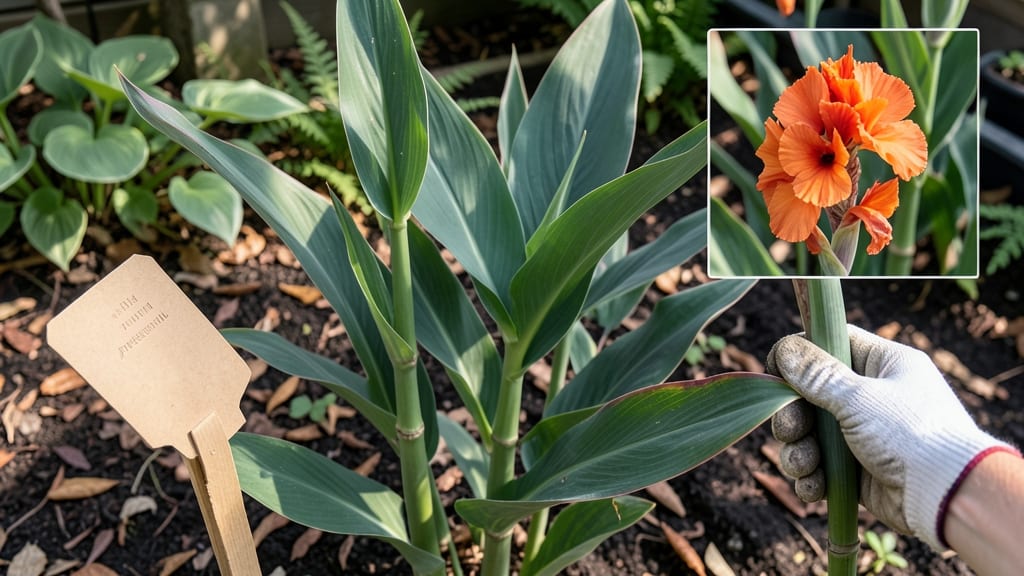
Whether cannas are annual or perennial depends on your climate—these tropical plants thrive as perennials in frost-free USDA Zone 8+ areas, but gardeners in colder regions treat them as annuals since their underground rhizomes freeze without protection. With proper winter storage, you can revive them year after year.
Canna plants naturally behave as perennials in warm climates because their thick, starchy rhizomes store energy to regrow each spring. 🌱 However, in colder zones, frost kills the above-ground foliage and damages the rhizomes if left in the ground.
The key to extending their lifespan lies in digging them up before the first freeze and storing them in a cool, dry place—like a basement or garage—until spring.
I’ve found that wrapping the rhizomes in peat moss or vermiculite helps maintain moisture without rotting, giving them the best chance to sprout again.
What sets cannas apart is their resilience—even if you forget to store them, the rhizomes can sometimes survive if buried deep enough. But for guaranteed regrowth, consistency is key. Many gardeners in Zone 7 and below treat cannas as annuals simply because overwintering requires extra effort.
The payoff? Those who store them properly often get bigger, more vibrant blooms the following season.
💡 In This Article
- Why Canna Rhizomes Survive Winter in Warm Zones
- Cold-Zone Canna Care: Digging, Storing, and Reviving Rhizomes
Why canna rhizomes survive winter in warm zones
The secret to cannas thriving as perennials in frost-free areas lies in their specialized underground structures called rhizomes. These thick, fleshy roots store carbohydrates and nutrients, allowing the plant to enter a natural dormancy when conditions become unfavorable.
Unlike annuals that complete their life cycle in one season, cannas in USDA Zone 8+ regions can survive because their rhizomes remain protected by 6-12 inches of insulating soil that maintains temperatures above 20°F—the threshold where rhizomes begin to suffer frost damage.
Here's what's actually happening: When temperatures drop below 32°F, the above-ground foliage freezes and dies back, but the rhizomes remain dormant underground. This dormancy is triggered by shorter daylight hours and cooler soil temperatures, similar to how tulip bulbs survive winter.
The rhizomes' thick, waxy skin prevents moisture loss, while their stored starch reserves fuel regrowth when spring arrives. In contrast, colder climates lack this natural insulation, forcing gardeners to intervene with storage solutions.
The soil composition plays a crucial role too. Sandy or well-draining soils in warm zones help prevent waterlogging, which can cause rhizome rot during winter.
The rhizomes' natural ability to absorb and store water gives them resilience against brief dry spells, while their position below the frost line keeps them safe. This biological adaptation explains why cannas can regrow year after year without human intervention in frost-free regions.
Consider these key factors that make warm-zone survival possible:
- Temperature threshold: Rhizomes tolerate down to 20°F but suffer damage below 15°F
- Soil depth: 8-12 inches of soil provides critical insulation
- Dormancy period: Typically 2-3 months of winter rest
- Regrowth trigger: Soil temperatures above 50°F stimulate sprouting
What most people don't realize is that cannas in warm zones often produce larger rhizomes each year, creating a positive feedback loop. These bigger rhizomes store more energy, leading to stronger plants and more vibrant blooms in subsequent seasons.
The contrast with cold zones becomes clear when you realize that without this natural protection, even a light frost can kill the rhizomes, making annual treatment necessary.
This natural survival mechanism explains why cannas can thrive as perennials in warm climates—it's not just about the plants themselves, but the perfect combination of soil, temperature, and seasonal patterns that protect their vital underground structures. 🌿