
Plants
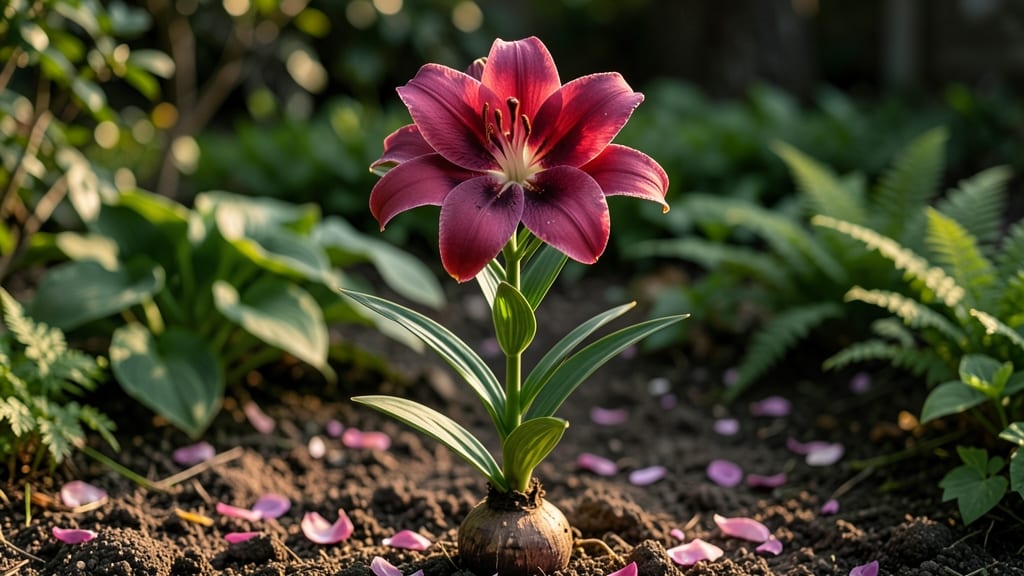
Yes, oriental lilies are perennials that return year after year in USDA zones 3-9 when given proper care, though they may struggle in extreme cold or nutrient-poor soil. Their hardy bulbs regenerate annually under ideal conditions, delivering bold summer blooms.
Oriental lilies earn their perennial reputation by storing energy in their thick rhizomes during winter, then sprouting fresh foliage each spring. 🌱 The key to their longevity lies in soil moisture and winter protection—mulching with straw or leaves helps insulate roots in colder zones (like 3-5), while well-draining soil prevents rot.
I've seen these plants thrive for decades in my zone 7 garden, though they do need occasional division every 3-5 years to prevent overcrowding.
What sets oriental lilies apart is their summer reblooming habit—unlike many perennials that bloom once, these produce dramatic 6-8 inch flowers in waves throughout the season. The trade-off? Their bulbs are sensitive to soggy conditions, so proper drainage is non-negotiable.
In my experience, the 10-inch-deep planting and 6-foot spacing recommended in zone guides make all the difference between a thriving clump and a struggling one.
💡 In This Article
- Oriental Lily Cold Hardiness Zones Explained
- Year-Round Care for Long-Term Oriental Lily Growth
Oriental lily cold hardiness zones explained
The oriental lily's perennial nature hinges on its ability to survive winter dormancy, which varies dramatically across USDA zones 3-9. These plants enter dormancy when temperatures drop below 50°F, with their thick rhizomes storing energy to fuel spring regrowth.
In zones 3-5, where winter lows can hit -30°F, the rhizomes need protection—mulching with 6-8 inches of straw or leaves insulates them against freeze-thaw cycles that can crack bulbs. 🌟 The science behind this is fascinating: the rhizomes contain natural antifreeze proteins that prevent ice crystal formation in their cells, but extreme cold still stresses them.
Zones 6-8 offer the sweet spot for oriental lilies, where winter temperatures typically stay above 0°F. Here, the rhizomes can survive without heavy mulching, though a 3-4 inch layer of organic matter still helps retain moisture during dry winters.
What's surprising is how these plants handle summer heat—oriental lilies thrive in zones 9-10's 90°F+ summers because their broad leaves have a waxy coating that reduces water loss, while their deep roots tap into moisture reserves. The trade-off?
In zone 9, they may go dormant in summer heat, requiring consistent soil moisture.
What most gardeners don't realize is that the cold hardiness threshold isn't just about minimum temperatures—it's about the duration of cold exposure. A brief -10°F snap in zone 7 might be survivable, but prolonged sub-zero conditions for weeks will damage rhizomes.
This is why zone 5 gardeners often see better success with oriental lilies when planted in south-facing beds—the afternoon sun provides extra warmth during winter's coldest periods. The rhizomes' natural insulation works best when they're not buried too deeply, which is why the recommended 2-3 inch soil coverage is critical.
Here's what happens when conditions push beyond their limits: In zone 3, oriental lilies may survive winters but produce fewer blooms due to stress. The rhizomes can rot if soil stays wet below 40°F, while in zone 9, they might struggle with summer heat if not given afternoon shade.
The key is matching the variety to your microclimate—some oriental lilies like 'Stargazer' handle zone 3 better than others like 'Casa Blanca'. 💫 This variety-specific hardiness explains why some gardeners in marginal zones get inconsistent results.
For visual reference, imagine a rhizome like a potato but more fibrous—it needs to "breathe" through winter. The ideal winter scenario keeps rhizomes at 32-40°F consistently. In colder zones, this means:
- Mulch depth: 6-8 inches of straw or leaves
- Planting depth: No deeper than 3 inches below soil
- Location: South-facing with winter sun exposure
The real test of an oriental lily's perennial status comes in spring when you see fresh shoots emerge. Healthy rhizomes will produce 2-3 new leaves within 2-3 weeks of soil warming to 55°F.
If you're seeing sparse growth or yellowing leaves, it's often a sign the rhizomes didn't get enough winter protection—or that they've become overcrowded, which stresses their food reserves. 🔥 The good news? Even if a clump declines, the rhizomes can often regenerate when divided and replanted.