
Orchid Care
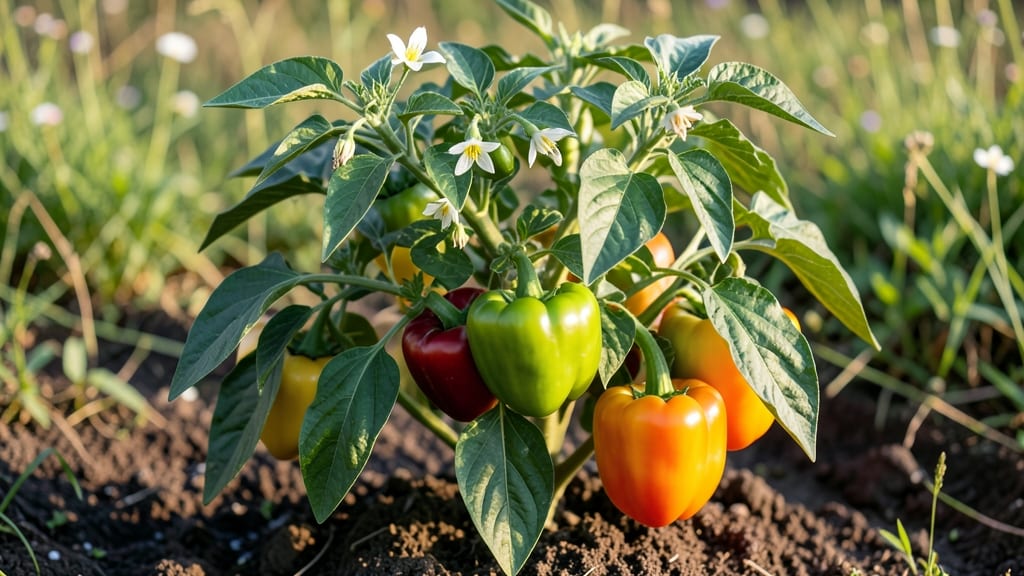
Peppers are perennials in warm climates but treated as annuals in most home gardens because cold temperatures cause them to die back after fruiting. Their survival hinges entirely on frost tolerance and seasonal heat exposure.
Peppers originate from tropical regions where they naturally thrive year-round, but their growth patterns shift dramatically in cooler climates. 🌱 When temperatures drop below 50°F, most varieties enter dormancy or perish—this is why gardeners replant them annually.
However, with proper overwintering techniques (like moving potted plants indoors), you can coax some varieties to regrow for multiple seasons. The key difference lies in their hardiness: while tropical peppers need consistent warmth, certain cold-hardy varieties can survive light frosts and regenerate when conditions improve.
This dual nature explains why peppers behave differently in greenhouses versus open gardens. In controlled environments with stable temperatures, they may continue producing for years, proving their perennial potential. But outdoors, most gardeners accept their seasonal cycle as a trade-off for abundant harvests.
Understanding this cycle helps you choose between short-term annual planting or long-term perennial care based on your climate.
💡 In This Article
- Why Peppers Die Back in Cold Climates
- Extending Pepper Lifespan: Overwintering Tips for Gardeners
Why peppers die back in cold climates
Peppers originate from tropical regions where temperatures rarely drop below 70°F, and their biology reflects this heritage. When exposed to cooler climates, particularly below 50°F, their cellular structures begin to break down. The plant's leaves yellow and crisp, a process called chlorosis, as chlorophyll production halts.
This isn't just wilting—it's a systemic response where the plant's energy shifts from growth to survival, often leading to complete dieback if frost hits. 🌡️
The key trigger is frost, which causes ice crystals to form inside plant cells. These crystals puncture cell walls, disrupting nutrient flow and killing the plant tissue. Even without frost, prolonged exposure to 40°F temperatures can stress peppers enough to trigger dormancy or death.
This explains why gardeners in Zone 5 or colder typically treat them as annuals—they simply can't survive winter outdoors. Compare this to cold-hardy varieties like 'Arctic Flame' peppers, which can tolerate brief exposures to 25°F without dying.
What most gardeners don't realize is that peppers' dieback isn't always permanent. The plant's roots often remain alive underground, waiting for warmer conditions to regrow. This is why you might see new shoots emerge in spring from what appeared to be dead plants.
The above-ground dieback is a protective mechanism—like a bear going into hibernation—to conserve energy until favorable conditions return. In tropical climates, this cycle doesn't occur because temperatures never drop low enough to trigger it.
Another fascinating aspect is how peppers allocate their energy. When temperatures drop, the plant redirects resources from fruit production to root and stem survival. This is why you'll often see peppers stop producing new peppers as fall approaches—they're prioritizing their own longevity over harvest.
This biological trade-off is what makes them behave like perennials in warm climates but annuals in cooler ones.
Consider the example of jalapeño plants in Texas versus New England. In Texas, where winters rarely drop below 32°F, jalapeños often regrow each spring from the same root system, acting as perennials.
But in New England, where winters routinely hit -10°F, those same plants would freeze solid without protection. The difference isn't the plant itself—it's the climate's impact on its survival mechanisms. 🌿
For gardeners, understanding this biological response explains why overwintering techniques work. By protecting peppers from frost (through containers, mulch, or indoor spaces), you're essentially tricking the plant into thinking it's still in its native tropical climate.
This allows the root systems to remain viable, ready to produce new growth when conditions improve.