
Plants
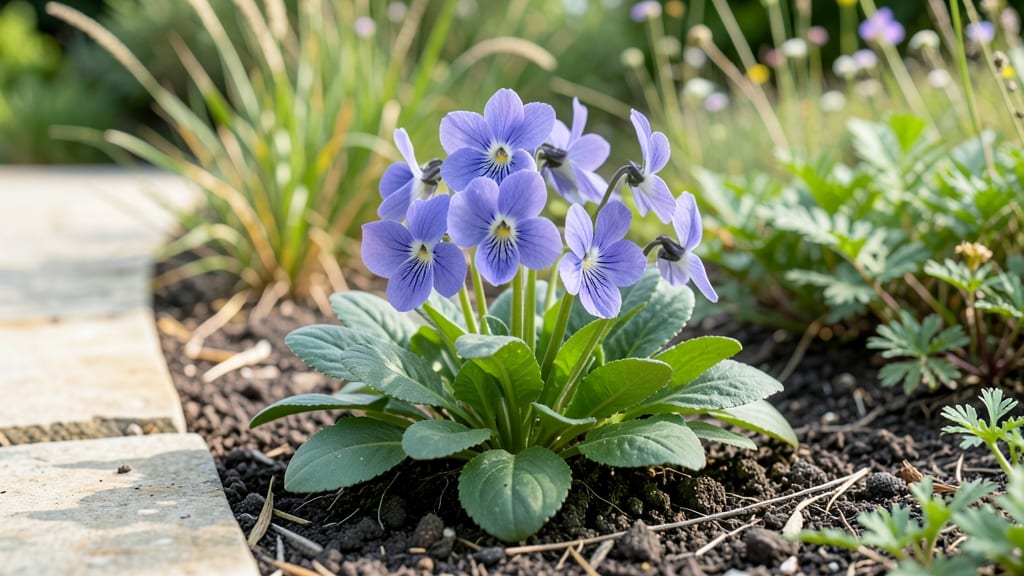
Violets are perennials, which means they regrow each spring from their root systems after their foliage naturally dies back in late summer or fall. Hardy varieties survive winters in zones 3–9, while tender types may need winter protection or replanting in colder regions.
This dieback isn't a sign of death—it's a survival strategy! 🌱 Violets enter dormancy when stressed by heat or drought, preserving energy in their roots until cooler weather returns.
Some gardeners mistake this for annual behavior, but with proper care (like consistent moisture and mulch), violets reliably bounce back year after year.
The key difference between cold-hardy and tender varieties lies in their root resilience: while Viola sororia thrives through harsh winters, tropical types like Viola cornuta need shelter to persist.
For best results, choose varieties matched to your climate zone and protect tender types with thick mulch or containers. This simple approach ensures your violets will reward you with vibrant blooms season after season, proving their true perennial nature. 💫
💡 In This Article
- Why Violet Leaves Die Back and How It Affects Growth
- Best Violet Varieties for Year-Round Garden Success
Why violet leaves die back and how it affects growth
The dieback you see in violets isn't a sign of death—it's a carefully timed survival mechanism called dormancy. When temperatures rise above 85°F or during drought stress, violets trigger this state to conserve energy.
Their leaves shrivel and turn brown, but the root system remains alive underground, storing nutrients in specialized cells called rhizomes. This process is similar to how onions or tulip bulbs survive harsh conditions, though violets do it at ground level rather than below it.
What sets violets apart is their ability to regenerate from just 1/8-inch of root left in the soil. The roots contain meristematic tissue—undifferentiated cells that can quickly form new shoots when conditions improve. This resilience explains why violets often return stronger than before, even after severe dieback.
However, prolonged stress (like 3+ weeks of drought) can weaken roots, making them more vulnerable to diseases like root rot when moisture finally returns.
Some gardeners confuse this natural cycle with plant failure, especially when violets behave like annuals. The key difference lies in the root health: if roots remain firm and white when dug up (not mushy or black), the plant is truly dormant.
Tender violets (like Viola cornuta) often die back more dramatically because their roots aren't as cold-hardy, but with proper winter protection, they'll still regrow from surviving root fragments.
Seasonal triggers matter too. Violets typically enter dormancy in late summer (August-September) when day lengths shorten, but heatwaves can accelerate this. The good news? This cycle actually rejuvenates the plant—old leaves die off to redirect energy to new growth.
Think of it like a tree shedding leaves: it's not dying, it's preparing for renewal. 🌱
Overwatering in dormancy is the #1 mistake gardeners make. While violets need 1 inch of water weekly during active growth, dormant roots only require moisture to prevent complete desiccation.
Let the top 2 inches of soil dry out between waterings in fall/winter to mimic natural conditions. This balance prevents root suffocation while keeping them alive.
For best results, mulch with 2-3 inches of organic matter (like shredded leaves) after dieback begins. This insulates roots from temperature swings and retains minimal moisture. In zones 3-5, add an extra layer of straw mulch—this can mean the difference between survival and loss for tender varieties.
The science behind this is fascinating: violets produce abscisic acid (a plant hormone) during stress, which triggers leaf drop and root hardening. This same hormone helps seeds survive droughts!
When temperatures drop below 50°F at night, the plant "wakes up," and abscisic acid levels drop, allowing new shoots to emerge within 2-4 weeks. 💫