
Plants
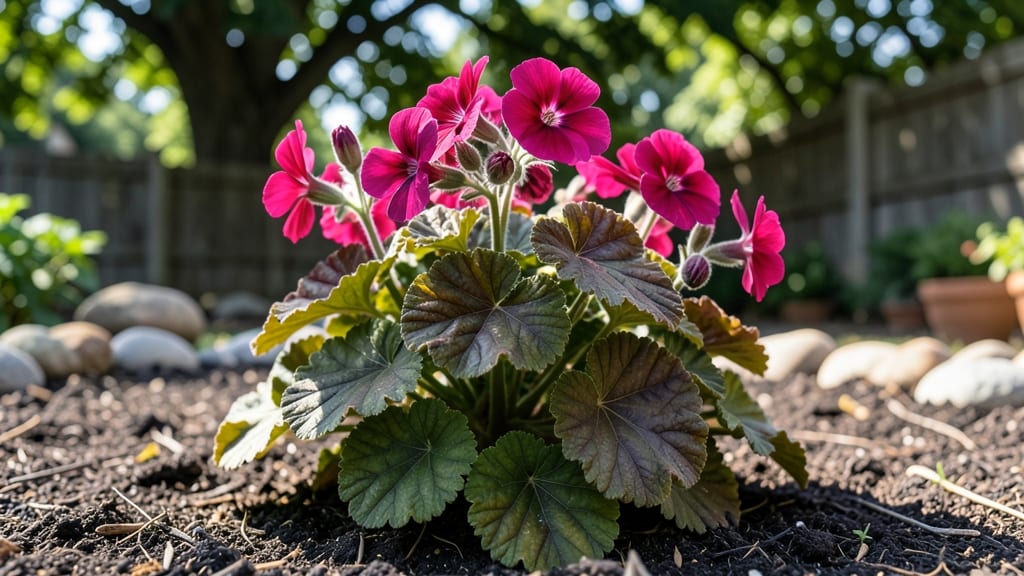
Zonal geraniums are not true perennials in most climates, dying back to the ground each fall and regrowing from roots in spring. They thrive as half-hardy perennials in USDA zones 10-11 but are often grown as annuals or overwintered indoors in cooler regions.
Zonal geraniums behave more like seasonal plants than traditional perennials, thanks to their sensitivity to cold temperatures. 🌱 When frost hits, their above-ground growth shuts down completely, but the roots remain dormant underground, ready to sprout again when warmth returns.
This makes them perfect for gardeners in milder climates like zones 10-11, where they can survive winters outdoors. In colder regions, treating them as annuals or bringing them indoors is the key to enjoying their vibrant blooms year after year.
What sets them apart from true perennials is their inability to withstand prolonged freezing—even a light frost can kill their stems and leaves. However, their hardy root systems often bounce back with proper care, making them resilient survivors.
Many gardeners swear by overwintering techniques like digging up plants before the first frost and repotting them to extend their lifespan beyond a single season.
💡 In This Article
- Why Zonal Geraniums Die Back Annually
- How to Overwinter Zonal Geraniums for Next Year
Why zonal geraniums die back annually
Zonal geraniums (Pelargonium zonale) undergo annual dieback primarily due to their sensitivity to temperatures below 40°F (4°C). Unlike true perennials, which have deep root systems and woody stems to survive winter, zonal geraniums store energy in their fibrous roots and shallow rhizomes.
When nighttime temperatures drop below 32°F (0°C), their above-ground growth freezes and blackens within days, but the roots remain alive underground.
The dieback process begins with cellular dehydration—cold air causes water in plant tissues to crystallize, damaging cell walls.
This triggers a survival mechanism where the plant redirects nutrients to its root zone, effectively "shutting down" above-ground growth. 🌱 What's fascinating is how quickly they respond to warmth: within 2-3 weeks of spring temperatures reaching 50°F (10°C), new shoots emerge from the roots, often within inches of the soil surface.
This lifecycle makes them behave like geophytes—plants that survive harsh seasons through underground storage organs. Their roots can remain viable for months in well-draining soil with 50-70% moisture content, but prolonged freezing (below 20°F (-6°C) for more than 24 hours) will kill even the roots.
That's why gardeners in zones 8 and below must take action before the first frost.
Light exposure also plays a role in their dormancy cycle. Zonal geraniums detect shortening daylight hours in autumn (typically 12 hours of sunlight or less), which triggers hormonal changes that prepare them for dormancy.
This photoperiod response is why they often die back 2-4 weeks before the first frost arrives in most regions.
Here's what happens at the cellular level: Cold stress causes the plant to produce antifreeze proteins that protect root cells, while above-ground tissues lose membrane integrity.
The roots enter a quiescent state, where metabolic activity slows to 1-5% of normal rates—just enough to maintain viability until spring warmth stimulates regrowth hormones.
In warmer climates (zones 10-11), this cycle happens naturally each year, while in cooler zones, gardeners must intervene to prevent the roots from freezing solid.
The key difference between true perennials and zonal geraniums lies in their lack of cold-hardy biomass—they simply don't have the structural reserves to survive winter exposure.