
Flowers
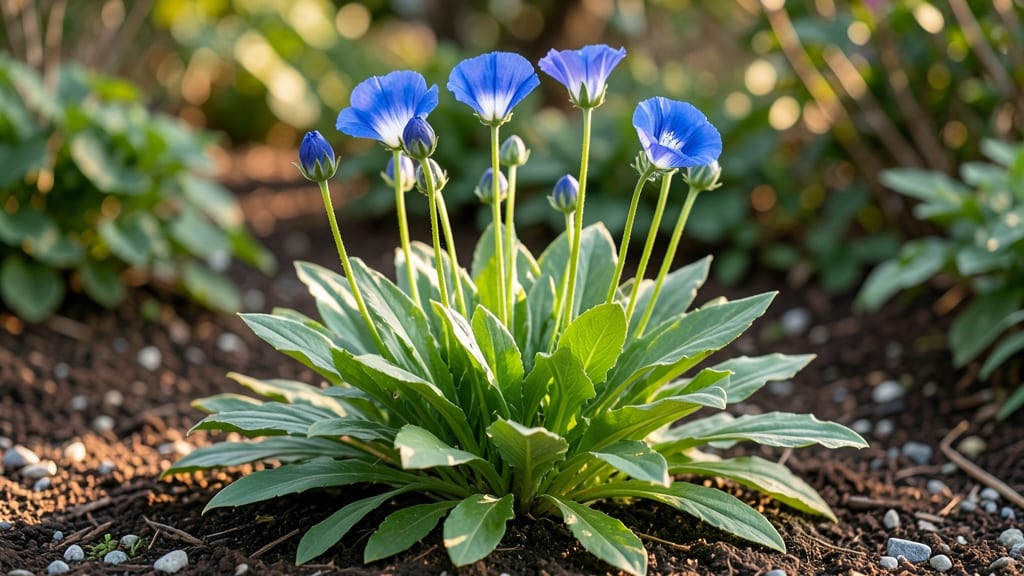
Balloon flowers (Platycodon grandiflorus) are perennial plants in USDA zones 3-8, reblooming reliably each year with proper care, though some gardeners treat them as annuals in colder climates due to winter dieback. Their hardy nature and self-seeding habits make them long-lived favorites in garden beds.
Balloon flowers thrive as perennials because their tough roots survive winter dormancy, sprouting fresh growth when temperatures rise. 🌱 In colder zones like 3-5, they may look dead above ground but return stronger each spring.
The key difference between treating them as perennials or annuals comes down to winter protection—mulching heavily or covering plants prevents crown damage, ensuring they bounce back year after year. Even in warmer zones (6-8), proper care like deadheading spent blooms and providing well-draining soil keeps them flowering continuously.
What sets balloon flowers apart is their self-seeding nature—many varieties reseed prolifically, creating natural colonies over time. This makes them low-maintenance once established, though some gardeners prefer to control seeding by removing spent flower heads.
The trade-off? More flowers next season with less effort! For best results, plant them in full sun with moist but not soggy soil, and you'll enjoy their cheerful blooms from early summer through fall.
💡 In This Article
- How Balloon Flower Perennial Growth Works in Different Climates
- Tips to Maximize Balloon Flower Reblooming as a Perennial
How balloon flower perennial growth works in different climates
Balloon flowers (Platycodon grandiflorus) survive winter through their thick, fleshy roots and crowns, which store nutrients and remain dormant when temperatures drop below 40°F. This underground system acts like a biological battery, allowing the plant to regenerate new shoots once spring arrives.
In colder zones like 3-5, where winter temperatures can plunge to -30°F, the crowns may appear blackened or mushy, but the roots stay alive beneath the frost line. 🌱 What’s fascinating is how these roots actually increase in size each year, making mature plants even hardier over time.
The reblooming cycle kicks off when daytime temperatures consistently reach 60-65°F for at least 2-3 weeks, signaling the plant to push new growth. Sunlight triggers this process through a mechanism called photoperiodism—longer daylight hours in spring and fall stimulate flowering.
In warmer zones (6-8), balloon flowers may bloom continuously from early summer through frost, while in colder zones, they often produce two distinct blooming periods: once in late spring and again in fall. This dual-flowering habit is why they’re classified as perennials despite their seasonal dieback above ground.
Zone-specific hardiness reveals interesting patterns: plants in zone 3 can handle extreme cold but may need extra mulch (up to 4-6 inches of straw or leaves) to protect the crown. In contrast, zone 8 plants thrive with minimal winter care but require consistent moisture during hot summers to prevent stress.
The key difference lies in how each zone’s climate affects dormancy—shorter winters in zone 8 mean less time for root storage, while longer winters in zone 3 give roots more time to replenish reserves. 💫
One common misconception is that balloon flowers "die back" to the ground each winter, making them seem like annuals. However, their persistent root systems (which can live for 5-10 years) clearly classify them as perennials.
Even in harsh winters, the roots remain viable as long as they’re not frozen solid or waterlogged. This resilience explains why gardeners in zones 3-8 often see the same plants return year after year, sometimes even spreading via self-seeding if not controlled.
Consider this comparison: In zone 5, a well-established balloon flower might produce 30-50 blooms per season, while in zone 7, the same plant could yield 60-80 blooms. The difference? Warmer zones provide longer growing seasons and fewer frost interruptions.
However, zone 7 plants may require more frequent deadheading to maintain vigor, as their extended blooming period can lead to seed production that diverts energy from new flowers. 🌿