
Companion Plants
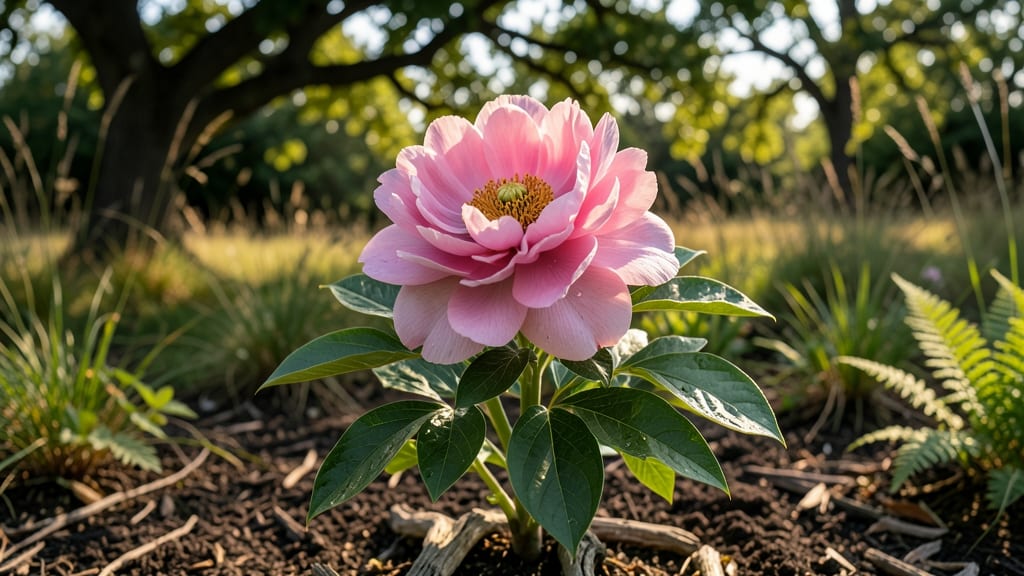
Perennial plants come back every year because their underground storage systems—roots, rhizomes, or crowns—stay alive through winter, storing energy to fuel new growth when spring arrives. However, extreme cold, poor soil, or neglect can kill these structures, preventing regrowth.
These hardy plants rely on stored nutrients like carbohydrates and starches in their roots to power regrowth. 🌱 When temperatures warm and moisture returns, the roots kickstart photosynthesis, sending up fresh shoots. But if winter damage occurs—like from frost heave or improper mulching—your perennials might not bounce back.
I’ve seen lavender and coneflowers survive harsh winters, but even they need well-draining soil and protection from late frosts.
Cold hardiness zones play a big role too—plants like peonies thrive in Zone 3, while tender perennials (like bougainvillea) need Zone 9+. Always check your local zone before planting, and consider adding a thick layer of mulch in fall to insulate roots.
Even established perennials can struggle if their crowns freeze solid.
💡 In This Article
- How Perennial Roots Survive Winter Dormancy
- Signs Your Perennials Won’t Return and How to Fix It
How perennial roots survive winter dormancy
Perennial plants rely on specialized underground structures—roots, rhizomes, or crowns—to store energy as carbohydrates and starches during dormancy. These storage organs act like natural batteries, converting sunlight into chemical energy throughout the growing season.
For example, a well-established peony root can store enough energy to produce a 3-foot-tall bloom the following spring, even after months of freezing temperatures. The key is that these plants enter a metabolic slowdown when nights grow shorter and temperatures drop below 50°F, halting growth but preserving vital nutrients.
Temperature and moisture are the triggers that wake these plants from dormancy. When soil temperatures rise to around 40-50°F and moisture becomes available, the roots release stored carbohydrates to fuel new shoot growth.
This process is why perennials often emerge earlier in spring than annuals—their roots are already primed and ready.
However, the timing varies by species: hardy perennials like Russian sage (Zone 4) can tolerate -30°F winters, while tender perennials like salvia (Zone 8) may need winter protection to survive 20°F or lower. 🌱
Hardiness zones determine how well perennials can survive winter, but it’s not just about the lowest temperature. Soil drainage and wind exposure also play critical roles.
For instance, a hosta planted in poorly drained soil may rot during winter, even in Zone 5, while the same plant thrives in well-amended soil. Mulching with 4-6 inches of organic material (like straw or shredded leaves) insulates roots and prevents temperature fluctuations that can damage delicate tissues.
This insulation can raise soil temperatures by 10-15°F, making a huge difference in marginal zones.
What most gardeners don’t realize is that perennials often lose their above-ground foliage as a survival strategy. The leaves die back to conserve energy, while the roots remain active underground, continuing to process nutrients. This dieback isn’t a sign of death—it’s a carefully regulated process.
For example, black-eyed Susans may look completely dead by winter, but their roots are still alive and ready to burst into growth as soon as soil temperatures stabilize in spring. The key is ensuring these roots aren’t starved of moisture or smothered by compacted soil.
Soil microbes also play a surprising role in winter survival. Beneficial fungi and bacteria help break down stored carbohydrates into usable energy for the plant.
A healthy soil ecosystem can improve a perennial’s cold hardiness by up to 2-3 zones, which is why composting and avoiding chemical fertilizers can make a difference. For instance, bee balm grown in microbial-rich soil often recovers better from winter than plants in sterile potting mixes.
This microbial support ensures the roots have the energy reserves they need to regrow vigorously when conditions improve. ✨
One common misconception is that all perennials follow the same dormancy pattern. In reality, there are three main types of winter survival strategies: cold-hardy (like coneflowers), semi-hardy (like daylilies), and tender (like cannas).
Cold-hardy perennials can survive -20°F or lower, while tender perennials may need to be dug up and stored indoors. Understanding your plant’s specific needs is crucial—planting a Zone 5 perennial in a Zone 7 climate without winter protection can lead to failure, even if the plant seems established.