
Plants
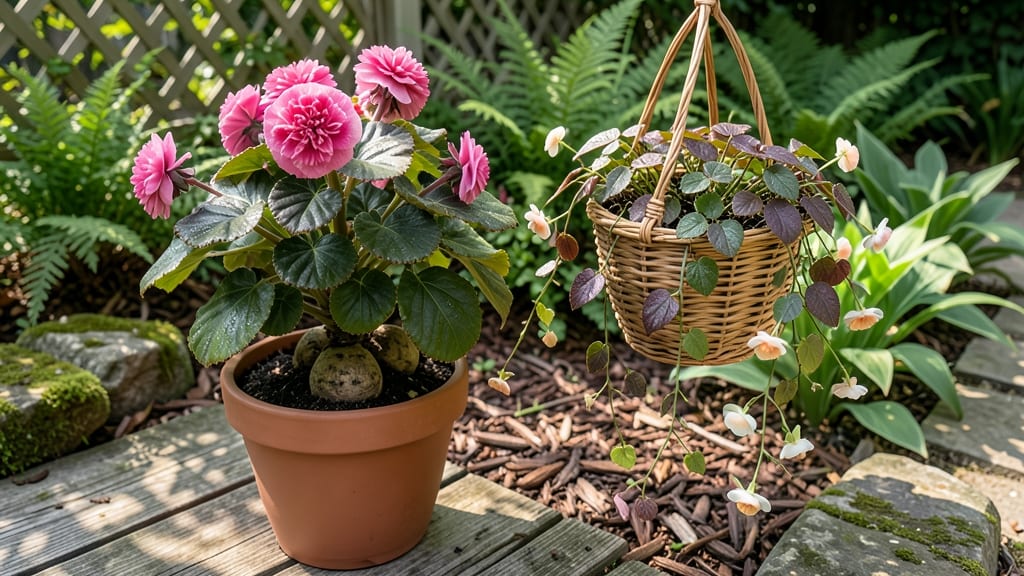
Whether begonia plants are annual or perennial depends on your climate: they act as annuals in cold regions but thrive as perennials in USDA Zones 10-12, where frost never occurs. Most varieties freeze back in winter but can regrow from dormant tubers or rhizomes with proper care.
This dual nature comes down to their natural growth habits. 🌱 Tuberous begonias, for example, store energy underground during winter months, while fibrous-rooted types often die back completely in freezing temperatures.
The key difference lies in how they handle dormancy—some varieties simply shut down until warmer weather returns, while others need active protection to survive. In milder climates, these plants can live for years with minimal intervention, whereas in colder areas, gardeners typically treat them as seasonal additions.
What makes this especially interesting is how microclimates can extend growing seasons. Even in Zone 9 areas, a well-insulated container or a sheltered spot might let begonias persist through mild winters.
The real test comes when temperatures drop below 30°F, which is the threshold where most varieties will suffer irreversible damage. That's why I always recommend digging up tubers before the first frost—it's the difference between losing your plants and enjoying them year after year.
💡 In This Article
- How Begonia Types Survive Winter in Different Climates
- Protecting Begonias in Cold Regions: Winter Care Guide
How Begonia types survive winter in different climates
Begonias aren't one-size-fits-all when it comes to cold tolerance. The three main types—tuberous, rhizomatous, and fibrous-rooted—handle winter differently. Tuberous begonias store energy in thick underground tubers that can survive 25-30°F for short periods, making them the most cold-hardy type.
Their tubers enter dormancy when temperatures drop, shutting down growth until warmth returns. Rhizomatous varieties, like Begonia rex, have thick, horizontal root systems that can persist in Zone 9 with protection, while fibrous-rooted types (like Wax Begonias) typically die back completely in frost.
The science behind this survival strategy involves cold acclimation—a process where plants adjust their cellular structure to prevent ice crystal formation. Tuberous begonias produce antifreeze proteins similar to those in cold-hardy vegetables like kale, which lower the freezing point of their cell fluids.
However, when temperatures drop below 28°F for more than 24 hours, even these proteins fail, and cell membranes rupture. 🌡️ This is why gardeners in Zone 8 or colder must act quickly when frost threatens—digging up tubers before the ground freezes is critical.
What most gardeners overlook is how soil moisture affects cold tolerance. Wet soil conducts cold more efficiently, accelerating damage. That's why I always recommend letting the soil dry out slightly before the first frost—it creates an insulating air gap around the tubers.
In contrast, fibrous begonias have no such protective structures; their delicate leaves and stems simply blacken and collapse when exposed to 32°F temperatures. This explains why they're almost always treated as annuals in colder climates.
Here's where things get interesting: some hybrid varieties (like Begonia 'Dragon Wing') have been bred to tolerate slightly cooler conditions, but they still need winter protection. These hybrids often have thicker leaves and stems that can survive brief cold snaps, but they won't survive a hard freeze.
The key difference is in their growth cycle timing—they complete their life cycle faster in warm seasons, allowing them to produce flowers before cold sets in.
Consider these survival strategies when choosing begonias for your climate:
- Tuberous types: Best for Zones 10-12 or container growing in colder zones
- Rhizomatous types: Can overwinter in Zone 9 with mulch and microclimate protection
- Fibrous types: Rarely survive winter outdoors—treat as annuals or grow indoors year-round
Even in Zone 10, where begonias thrive as perennials, they'll still slow their growth during cooler months. The plants enter a semi-dormant state, reducing water needs by up to 70%.
This natural slowdown is your clue that they're conserving energy for spring regrowth—something gardeners in colder zones can mimic with proper overwintering techniques. 💫