
Shrubs
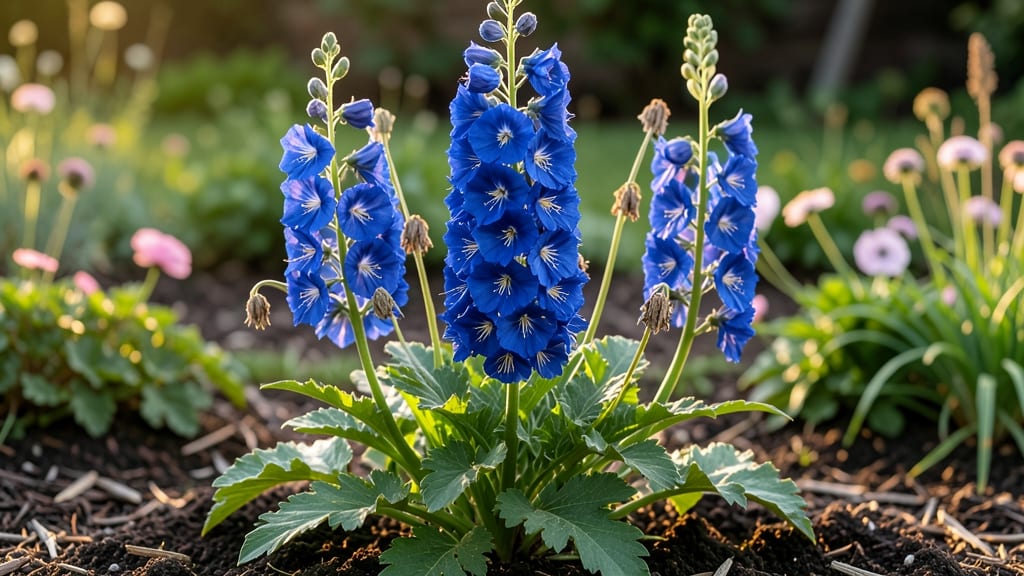
Blue flowering perennials shrubs like lavender, catmint, and bluebeard create bold garden accents while surviving harsh winters. Opt for cold-resistant types such as Russian sage or salvia to ensure vibrant blooms and minimal upkeep, with some varieties even offering winter interest through evergreen leaves or striking stems.
These shrubs thrive because their deep blue blooms often signal drought tolerance and sturdy growth habits. 💫 Many varieties, like Siberian bugloss, develop thick root systems that protect against freezing temperatures, while others like catmint release aromatic oils that deter pests naturally.
The key to their success lies in selecting native or well-adapted species—those that naturally grow in your USDA hardiness zone will require less supplemental care and still deliver that coveted blue hue throughout the growing season.
For gardeners in cooler climates, these plants offer a rare opportunity to enjoy vibrant color without constant summer maintenance. Their ability to handle frost and occasional neglect makes them perfect for both experienced gardeners and beginners looking to add low-maintenance drama to their landscapes.
💡 In This Article
- Why Blue Flowering Perennials Shrubs Thrive in Cold Climates
- Designing a Stunning Blue Garden: Plant Pairings and Care Tips
Why blue flowering perennials shrubs thrive in cold climates
Blue flowering shrubs like Russian sage and catmint survive cold climates thanks to specialized adaptations in their root systems and foliage. These plants develop deep, fibrous roots that anchor them securely and store nutrients, allowing them to rebound quickly after frost.
For example, Russian sage (Perovskia atriplicifolia) can tolerate temperatures down to -30°F, while its silvery-green leaves contain waxy coatings that prevent ice crystal formation and reduce water loss during winter dormancy.
The secret lies in their growth patterns: many blue perennials are hemicryptophytes, meaning they grow from underground buds that remain protected by soil. This strategy contrasts with tropical species that die back completely in cold, as seen with delicate annuals like impatiens.
Siberian bugloss (Brunnera macrophylla), for instance, produces thick, creeping rhizomes that insulate its crowns, while its heart-shaped leaves develop a protective layer of hairs that reflects sunlight and prevents frost damage. 🌿 These adaptations allow them to push through early spring soil that may still be 40°F or colder.
Seasonal timing also plays a crucial role. Most cold-hardy blue shrubs bloom on old wood, meaning their flower buds form the previous season and survive winter intact. This is why you'll often see Russian sage covered in blue spikes as early as late spring, while newer growth emerges later.
The trade-off? Some varieties like catmint may require light pruning in early spring to encourage fresh foliage, but their resilience makes this minimal effort worthwhile for gardeners in zones 3-7.
Color intensity in these plants often correlates with their hardiness. The deep blue pigments (anthocyanins) in flowers like salvia and catmint actually help protect plant tissues from UV radiation during long winter days, while their aromatic foliage releases oils that deter pests even when dormant.
This dual function—visual appeal and survival mechanism—is why these shrubs maintain their vibrant hues year-round, from spring blooms to winter stems.
Consider this comparison: while tropical blue flowers like morning glories (Ipomoea) wilt at 32°F, cold-hardy perennials like bluebeard (Caryopteris) develop woody stems that act as natural insulation.
Their ability to photosynthesize even in cool temperatures (down to 50°F) means they can continue growing when many other plants remain dormant. This physiological advantage translates directly to garden performance, giving these shrubs their reputation for low-maintenance reliability.
For gardeners in colder regions, the key takeaway is simple: native or well-adapted blue perennials have evolved to handle exactly the conditions you're dealing with.
Their success isn't accidental—it's the result of millions of years of adaptation to temperate climate challenges. 💫 By choosing these hardy varieties, you're not just getting beautiful blue flowers; you're bringing plants that are biologically equipped to thrive where they're planted.