
Orchid Care
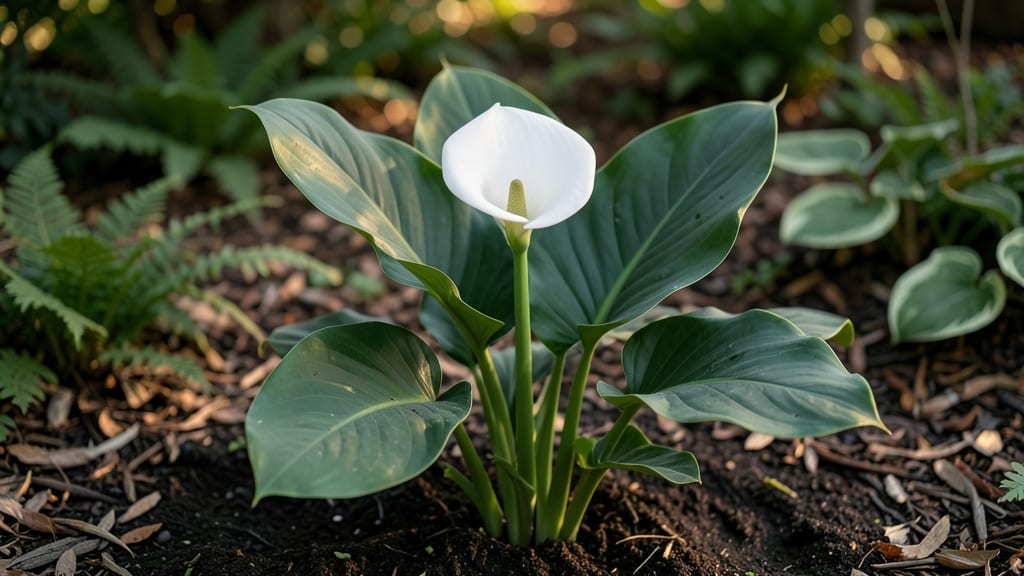
Deciding whether calla lilies are perennial or annual depends on your climate: they thrive as perennials in warm zones but die back annually in colder regions, regenerating from underground rhizomes each spring.
This behavior isn't about their true nature but how they adapt to temperature. 🌱 In frost-free areas, calla lilies grow continuously, while northern gardens experience their dormant phase when temperatures drop below 40°F.
The key difference lies in their rhizomes—these thickened stems store energy to fuel regrowth when conditions improve.
Many gardeners mistakenly think calla lilies are annuals because they lose their foliage each winter, but their underground system ensures they return stronger than ever.
The secret to keeping them alive through cold snaps is proper soil protection—covering the base with mulch or lifting and storing the rhizomes indoors until spring.
💡 In This Article
- How Calla Lily Dormancy Works in Different Climates
- Year-Round Calla Lily Care for Cold and Warm Zones
How calla lily dormancy works in different climates
Calla lilies rely on their rhizomes—thick, horizontal underground stems—to survive seasonal changes. These specialized storage organs store carbohydrates, proteins, and water, allowing the plant to "shut down" during harsh conditions.
In warm climates (USDA zones 8-11), where temperatures rarely drop below 40°F, calla lilies remain active year-round, continuously producing foliage and blooms. The rhizomes act like a biological battery, replenishing energy through photosynthesis even during cooler months.
The real magic happens in colder regions (zones 3-7). When frost hits, the plant's growth hormones trigger dormancy by reducing cell division in the rhizomes. The leaves yellow and die back, but the rhizome remains alive underground, protected by its thick, waxy coating.
This dormant state can last 4-6 months, with regrowth kicking in when soil temperatures reach 55°F—a threshold that signals safe conditions for new shoots. 🌱 The key difference between zones is timing: Southern callas may experience brief dormancy during mild winters, while Northern plants enter deeper, frost-induced dormancy.
What's fascinating is how calla lilies "remember" their climate. Research shows that rhizomes from colder climates produce more protective compounds (like antioxidants) when exposed to early frost, while tropical rhizomes focus on rapid regrowth when temperatures warm.
This adaptive behavior explains why calla lilies can thrive in both Mediterranean gardens and New England landscapes—it's not about being perennial or annual, but about their incredible plasticity in response to temperature cues.
Here's where gardeners often go wrong: assuming the above-ground dieback means the plant is dead. The rhizome's survival strategy is what makes calla lilies appear "annual" in cold climates. In reality, they're perennials with a seasonal growth reset.
For example, a calla lily in Zone 5 might lose all foliage by November but return with twice as many blooms by June, having stored extra energy during its dormant phase.
Consider this comparison: In Zone 9 (perennial behavior), calla lilies may produce continuous blooms from spring to fall with minimal dormancy. But in Zone 6 (annual-like behavior), they'll go completely dormant for 3-4 months, only to emerge stronger.
The rhizome's ability to "bank" energy through these cycles is what gives calla lilies their reputation for resilience—even after appearing "dead" for months.
For those curious about the science, calla lily dormancy follows a process called "endodormancy," where the plant's internal clocks (circadian rhythms) sync with environmental cues. The rhizome's meristem cells (growth points) enter a state of suspended animation until warm soil temperatures reactivate them.
This biological mechanism is similar to how tulip bulbs survive winter—both plants use underground storage organs to cheat seasonal death. 💫