
Plants
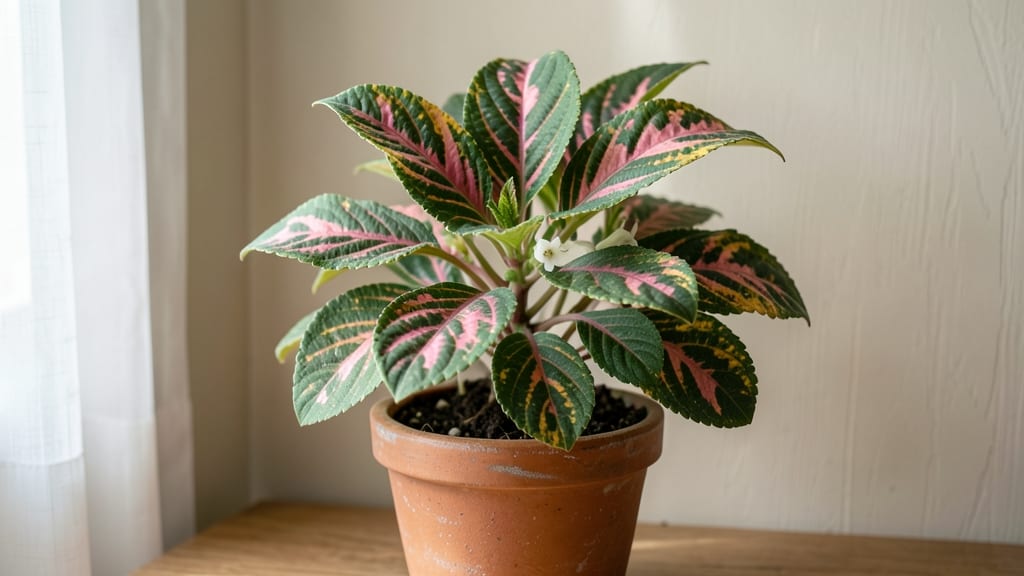
Deciding whether coleus plants are annual or perennial depends on your climate: they thrive as perennials only in USDA zones 10-12, where frost never occurs. Outside those zones, they die back each winter and are treated as annuals.
Coleus plants originated in tropical regions, so their cold sensitivity explains why they can't survive winter freezes. 🌿 In zones 10-12, their roots often survive mild winters, allowing regrowth in spring.
For gardeners in colder areas, overwintering indoors or propagating new plants each spring becomes essential for maintaining vibrant foliage year after year.
What's fascinating is how temperature triggers their dormancy cycle—when nights dip below 50°F, coleus leaves start yellowing, signaling the plant's natural response to protect its energy reserves. This biological adaptation makes them perfect for warm-season gardens but challenging to maintain long-term in cooler climates.
For those in transitional zones (like 8-9), selecting cold-hardy varieties like 'Fireworks' or 'Rainbow' can extend their lifespan slightly, though they'll still need winter protection. The key takeaway? Your growing zone determines whether you'll enjoy coleus as a seasonal burst of color or a year-round tropical beauty.
💡 In This Article
- Understanding Coleus Cold Tolerance and Growth Cycles
- Year-Round Coleus Care: Extending Lifespan Beyond One Season
Understanding coleus cold tolerance and growth cycles
Coleus plants trace their origins to tropical regions of Southeast Asia and Africa, where temperatures rarely drop below 60°F at night. This tropical heritage explains their extreme frost sensitivity—when temperatures fall below 32°F, the plant's cells rupture due to ice crystal formation, causing irreversible damage.
The leaves, which contain high moisture content, are particularly vulnerable, turning black and crispy within hours of exposure to freezing conditions. 🌡️
The plant's growth cycle is directly tied to temperature thresholds. When nighttime temperatures consistently stay above 50°F, coleus enters its active growing phase, producing vibrant new leaves at a rate of about 1-2 inches per week under optimal conditions.
However, when temperatures dip below 50°F for prolonged periods, the plant triggers a natural dormancy response, halting growth and causing leaves to yellow and drop. This physiological reaction is similar to how deciduous trees prepare for winter, though coleus lacks the protective bark structure to survive freezing.
In USDA hardiness zones 10-12, where frost never occurs, coleus roots often survive mild winters by entering a semi-dormant state. The underground rhizomes (thickened stems) store carbohydrates and water, allowing the plant to regrow from the same root system when temperatures rise again in spring.
This perennial behavior is what distinguishes zone 10-12 coleus from their annual counterparts in colder regions. The key difference lies in the absence of frost—coleus can't survive the cellular damage caused by ice formation in their tissues.
What's particularly interesting is how coleus responds to temperature fluctuations at the cellular level. The plant contains high levels of anthocyanins (the pigments responsible for their vibrant colors), which are temperature-sensitive compounds.
When nights are cool but above freezing, these pigments become more concentrated, enhancing the plant's colorful foliage—a phenomenon gardeners in zones 9-10 can take advantage of by providing winter protection.
In contrast, a single hard freeze (28°F or lower) will kill the entire plant above ground, including the rhizomes in most cases.
For gardeners in transitional zones (like 8-9), selecting cold-hardy coleus varieties makes a noticeable difference. Varieties like 'Wine and Roses' or 'Electric Pink' have been bred to tolerate slightly cooler temperatures, with some surviving brief exposures to 25°F if protected by mulch or row covers.
However, even these varieties will eventually succumb to prolonged cold, making them more accurately described as "short-lived perennials" rather than true perennials. The trade-off is worth it for their stunning foliage, which can outshine many annuals in summer gardens.
Understanding these biological mechanisms helps explain why coleus thrives as a perennial only in frost-free zones. The plant's entire life cycle revolves around warm temperatures, making it a perfect example of how tropical species adapt to specific climate conditions.
For gardeners outside zones 10-12, this knowledge translates directly to practical decisions about overwintering strategies and variety selection. 🌿