
Orchid Care
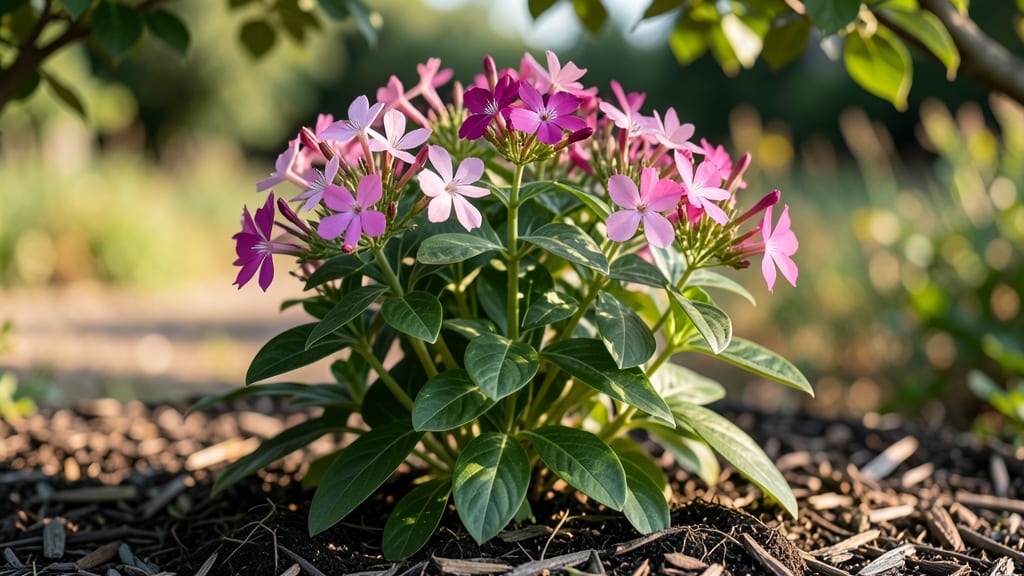
Whether cora vinca is annual or perennial depends entirely on your climate: it thrives as a hardy perennial in frost-free zones, sending roots deep to survive winter dormancy, but dies back completely in freezing temperatures where it must be replanted each spring.
This behavior comes down to its natural resilience—cora vinca's thick rhizomes store nutrients year-round in mild winters, allowing it to push fresh growth from the same roots when conditions improve. 🌱 In colder regions, though, those same rhizomes lack the protection needed to withstand hard freezes, which is why gardeners in zones 8 and below often treat it as an annual.
The key difference lies in how well the plant's underground system can withstand seasonal temperature swings.
For gardeners in borderline climates (like zone 7), adding 3-4 inches of mulch before winter can make all the difference by insulating the roots. I've found that varieties like 'Pacifica' or 'Illumination' handle cooler temperatures slightly better than standard types, though they still need winter protection.
The biggest mistake is assuming all cora vinca behaves the same—what works in Florida won't survive a Chicago winter without extra care.
💡 In This Article
- How Cora Vinca’s Root System Determines Its Lifespan
- Gardening Strategies for Extending Cora Vinca’s Lifespan
How cora vinca’s root system determines its lifespan
Cora vinca’s lifespan hinges on its rhizomatous root system, which stores carbohydrates and water to fuel regrowth. In frost-free zones (USDA zones 9-11), these thick, fleshy roots remain active year-round, allowing the plant to go dormant in summer heat but recover quickly.
The roots can extend 12-18 inches deep, accessing moisture and nutrients even during dry spells. This underground network is what makes it a true perennial—it doesn’t just survive winter, it thrives by storing energy for next season’s growth.
The difference in colder climates comes down to freeze tolerance. Cora vinca’s rhizomes can handle temperatures down to 25-30°F for short periods, but prolonged exposure to 20°F or below causes cellular damage.
In these zones, the roots simply can’t regenerate after severe frost, leaving the plant dependent on annual replanting. 🌡️ What’s fascinating is how the plant’s natural dormancy cycle shifts—where it would normally prepare for spring regrowth, the cold kills the root system before it can recover.
This root behavior explains why cora vinca often looks "dead" in winter but isn’t truly gone. In perennial zones, you’ll see brown foliage collapse, but the roots remain alive beneath the soil.
The plant’s ability to regrow from these stored reserves is why gardeners in warm climates can simply trim back the dead growth in spring and watch vibrant new shoots emerge within 2-3 weeks. In annual zones, however, the roots die completely, requiring complete removal and replanting each season.
Interestingly, cora vinca’s root system also affects its spread. Perennial varieties develop dense mats over time, crowding out weeds naturally. This is why they’re prized for ground cover in warm climates—each plant can produce 50+ new shoots from its root system annually.
In colder regions, this same spreading habit doesn’t occur because the roots don’t survive to establish new growth points.
The science behind this involves cold acclimation—a process where plants adjust their cellular chemistry to survive freezing. Cora vinca in warm zones produces protective compounds that prevent ice crystal formation in its roots, while colder-climate varieties lack this adaptation.
This biological difference explains why some gardeners in marginal zones (like zone 8) can successfully overwinter cora vinca with proper protection, while others in zone 7 struggle regardless of care.
What most gardeners don’t realize is that cora vinca’s root depth also makes it drought-tolerant in perennial zones. Those same deep roots that store winter energy also tap into water reserves during dry periods, allowing the plant to bounce back quickly after heatwaves.
This resilience is one reason why it’s such a popular choice for low-maintenance landscapes in warm climates—it’s not just surviving winter, it’s actively preparing for the next growing season.