
Orchid Care
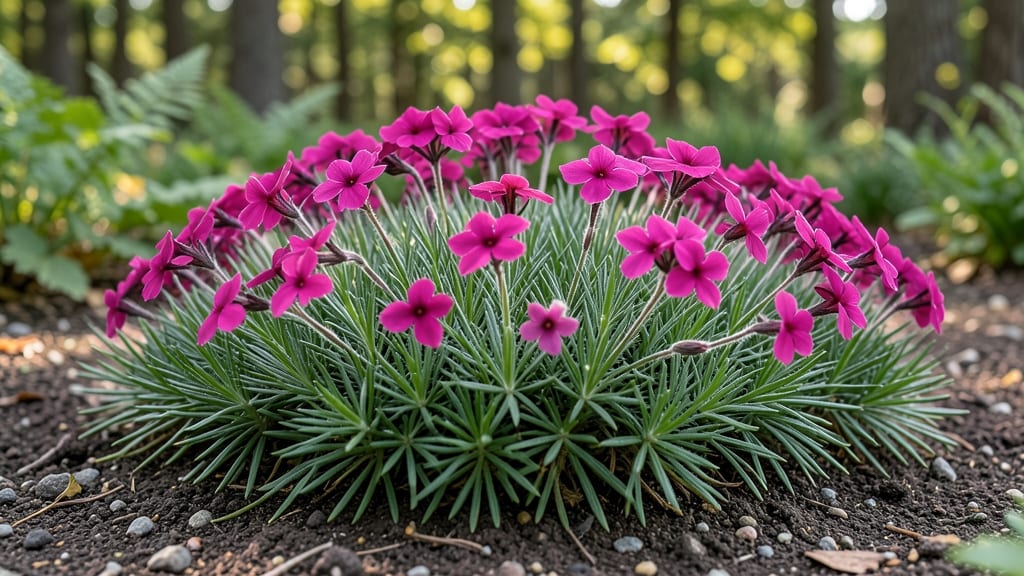
Creeping phlox is an annual or perennial plant that thrives as a low-growing ground cover, returning each year with vibrant spring blooms before entering summer dormancy in many climates. Proper care extends its lifespan beyond just one season.
Creeping phlox earns its perennial reputation thanks to its deep, hardy root system that survives winter in USDA zones 3-9, rebounding each spring with those signature clusters of purple, pink, or white flowers. 🌸 Unlike annuals that complete their life cycle in one season, creeping phlox goes dormant in summer heat but stores energy underground—think of it as nature's built-in survival strategy.
The key difference is in their growth habits: perennials like creeping phlox spread through underground runners, while annual phlox varieties would need replanting every year.
This perennial nature makes creeping phlox a gardener's dream for low-maintenance color. Once established, it forms dense mats that suppress weeds while requiring minimal intervention beyond occasional pruning. The trade-off? It needs well-draining soil and consistent moisture during its active growing months to reward you with years of effortless beauty.
💡 In This Article
- Why Creeping Phlox Is Classified as a Perennial
- Extending Creeping Phlox’s Lifespan: Care Tips for Long-Term Growth
Why creeping phlox is classified as a perennial
The botanical classification of creeping phlox as a perennial stems from its ability to regenerate from the same root system year after year, rather than completing its life cycle in a single season like annual varieties.
This hardy ground cover develops a deep, fibrous root network that stores carbohydrates during dormancy, allowing it to push through the soil and bloom again in spring.
Unlike annual phlox, which dies back completely after flowering, creeping phlox enters a summer dormancy phase where it conserves energy underground while its above-ground foliage browns and recedes.
The key mechanism behind its perennial nature lies in its cold hardiness and ability to tolerate temperature fluctuations. Creeping phlox thrives in USDA zones 3-9, meaning it can survive winter temperatures as low as -30°F to -40°F in protected conditions.
This hardiness contrasts sharply with annual phlox varieties, which typically require replanting each spring since they lack the root reserves to withstand freezing. The perennial's deep roots also enable it to access moisture from lower soil layers during dry spells, a survival advantage that annuals simply can't match.
Visually, you can distinguish creeping phlox's perennial growth habit by observing its spreading habit—it forms dense mats through underground stolons (horizontal stems) that root at nodes. This creates a carpet-like effect that suppresses weeds while returning each year with the same vigor.
Annual phlox, by comparison, grows upright in clumps and must be replanted annually since it lacks this spreading mechanism. The perennial's ability to self-renew makes it particularly valuable for erosion control and long-term landscaping projects where annual replanting would be impractical.
Seasonal growth patterns further define creeping phlox's perennial status. In spring, it bursts into bloom with clusters of 1/2-inch to 1-inch flowers in shades of purple, pink, white, or blue, depending on the cultivar.
After flowering, the plant enters its summer dormancy phase, where it conserves energy by reducing foliage and root growth. This dormancy allows it to survive hot, dry periods that would kill annual varieties.
In fall, it begins storing energy for next year's growth, with new roots forming to replace any winter damage.
What most gardeners don't realize is how climate zone adaptations affect creeping phlox's perennial performance. In cooler northern zones (3-5), it may bloom earlier and go dormant later, while in warmer southern zones (7-9), it might require afternoon shade to prevent heat stress.
The plant's ability to adjust its growth cycle based on local conditions is what truly cements its status as a perennial—it doesn't just survive winter, it actively prepares for the next growing season through these adaptive mechanisms.
For those considering creeping phlox for their gardens, understanding this perennial classification means you're investing in a low-maintenance, long-term solution rather than an annual that requires yearly replanting. The trade-off?
Initial establishment takes about 2-3 years to reach full spread, but once mature, it can persist for decades with proper care. This makes it an excellent choice for slopes, borders, or rock gardens where annuals would struggle to maintain coverage.