
Plants
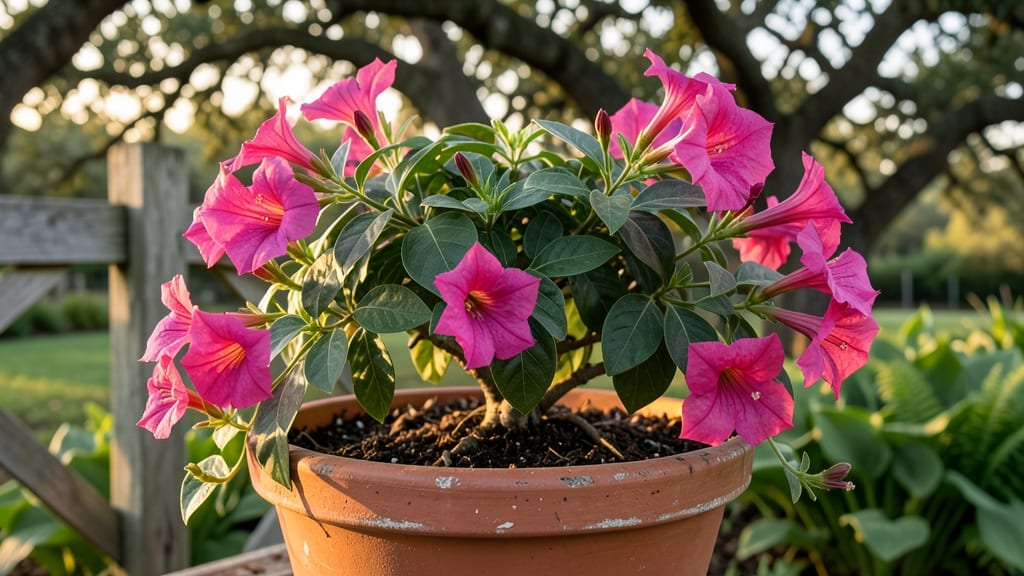
Deciding whether a dipladenia plant is annual or perennial depends on your climate: in frost-free zones, it acts as a tender perennial, shedding leaves in winter but regrowing from its hardy root system. In colder areas, it’s typically grown as an annual since frost will kill it back completely.
This tropical beauty’s survival strategy hinges on its roots—dipladenias store energy underground, allowing them to bounce back in warmer regions. 🌱 The key difference from true annuals (like marigolds) is that dipladenias can persist year after year if protected from hard freezes.
In colder climates, gardeners often treat it as an annual, but with proper winter care—like digging up pots or using thick mulch—you can sometimes coax it through mild winters.
What makes this plant fascinating is how it handles dormancy: the blackened stems you see in winter aren’t dead tissue but a protective mechanism. True perennial behavior shows when those stems sprout fresh growth in spring, proving the roots survived.
For those in zones 5-7, overwintering indoors or in a greenhouse can turn your dipladenia into a long-lived perennial instead of a seasonal guest.
💡 In This Article
- Why Dipladenia Dies Back and How It Regrows
- How to Overwinter Dipladenia in Cold Climates
Why dipladenia dies back and how it regrows
The dipladenia’s dramatic winter dieback isn’t a sign of death—it’s a survival strategy rooted in its tropical origins. These plants store carbohydrates in their thick, fibrous roots during warm months, building up energy reserves like a natural battery.
When temperatures dip below 40°F, the foliage and stems blacken and crisp as the plant redirects all resources underground to protect its core. This process, called dormancy, is similar to how peonies or daylilies behave in colder climates, but dipladenias lack the same level of cold-hardiness.
What sets dipladenias apart from true annuals like marigolds is their root system. While marigolds complete their entire life cycle in one season, dipladenias can regenerate from those stored roots if winter conditions aren’t too harsh.
In frost-free zones (like USDA zones 9-11), you’ll often see fresh green shoots emerging from the base in early spring, proving the roots survived.
The blackened stems you see aren’t dead tissue but a protective layer that shields the living root system from freezing temperatures—kind of like how deciduous trees shed leaves to conserve energy.
The regrowth process begins when soil temperatures rise above 55°F, signaling the roots to send out new shoots. This can happen as early as February in warm climates, with flowers appearing just 8-12 weeks later.
The speed of regrowth depends on how well the roots were protected and the amount of stored energy—think of it like a plant’s version of hibernation, where the more reserves it has, the quicker it can bounce back.
In contrast, true annuals have no such mechanism and must start from seed each season.
Here’s where climate becomes critical: in zones 8 and below, even mild freezes can damage the roots if they’re exposed. The key difference between annual and perennial behavior lies in this root survival—if your dipladenia’s roots make it through winter, you’ve got a perennial on your hands.
Without that root protection, it’s effectively an annual. This is why gardeners in cooler regions often treat it as such unless they take special overwintering measures.
You can test whether your dipladenia is acting as a perennial by observing these signs: fresh green growth from the base in spring, multiple years of flowering from the same plant, and stems that regrow from the ground rather than from cuttings.
These are all indicators that the root system survived winter. Even in colder climates, some varieties like Dipladenia sanderi (commonly called "mandevilla") have shown surprising resilience when given proper winter care, proving that with the right conditions, this plant can defy its annual reputation.