
Size
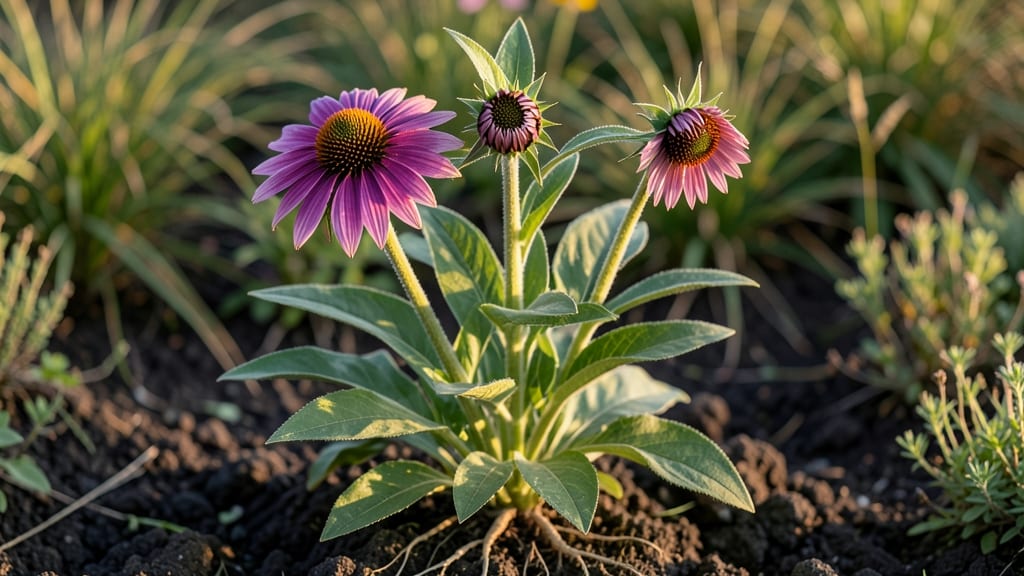
Perennial plants do grow every year, but their growth cycle includes seasonal dieback—roots and rhizomes survive underground while foliage may wither in winter or dormancy periods before regrowing. This dieback is natural, not death, ensuring annual rebloom or regrowth under ideal conditions.
Perennial plants don't disappear—they simply enter a dormant phase where their energy shifts underground. 🌱 The roots and storage organs (like bulbs or tubers) act as living batteries, storing nutrients to fuel next year's growth.
This cycle explains why some perennials look dead in winter but bounce back with vigor when conditions improve. For example, peonies and hostas may lose their leaves entirely, yet their roots remain active beneath the soil.
Understanding this process helps gardeners avoid unnecessary panic when plants seem to "die back." Proper care during dormancy—like mulching for insulation or adjusting watering—can make all the difference in ensuring healthy regrowth.
The key is recognizing that this natural pause is part of their annual renewal cycle, not a sign of failure.
💡 In This Article
- How Perennial Plants Survive Winter Through Underground Storage
- Caring for Perennials Through Their Annual Dieback Cycle
How perennial plants survive winter through underground storage
The secret to perennial survival lies in their specialized underground storage systems. Roots, rhizomes, bulbs, and tubers act like natural batteries, storing carbohydrates, proteins, and water to fuel regrowth. For example, a dahlias tuber can store enough energy to produce a 6-foot-tall plant the following season after a dormant winter.
These storage organs remain metabolically active even when above-ground foliage dies back, maintaining cellular functions at reduced rates.
Temperature and light trigger dormancy through a process called vernalization. As days shorten and temperatures drop below 50°F, plants produce hormones like abscisic acid that signal foliage to wither while roots focus on storage.
Evergreen perennials like boxwoods skip this foliage loss because their leaves contain antifreeze proteins that prevent ice crystal formation in cells. The trade-off? They require more water during winter to prevent dehydration from cold winds.
What sets perennials apart is their ability to regulate water loss during dormancy. Some, like hostas, develop a waxy coating on their roots that reduces moisture evaporation by up to 40% compared to annuals.
Others, such as bee balm, produce a thick rhizome layer that insulates against freezing soil temperatures. This underground engineering explains why perennials can survive winters that would kill annuals outright.
Not all perennials follow the same pattern. Tender perennials (like cannas) die back to the ground in cold climates but regrow from rhizomes when temperatures rise above 60°F.
Hardy perennials (like coneflowers) may lose leaves but keep their crowns alive, ready to burst into growth at the first sign of spring warmth. The key difference lies in their cold-hardiness ratings—typically measured by the lowest temperature they can survive.
Consider the peony root system as a masterclass in storage efficiency. A mature peony can store enough nutrients in its 3-inch-diameter root mass to support 50+ blooms the following year. The roots even produce a natural antifungal compound that prevents rot during dormancy.
This biological adaptation explains why peonies can live for 100+ years with minimal care—far longer than most annuals.
What most gardeners overlook is how light affects dormancy. Even in winter, perennials detect daylight through their leaves (or what's left of them). Short-day plants like chrysanthemums use this light cue to time their dormancy precisely, while long-day plants may stay active longer in mild winters.
This photoperiod sensitivity ensures they don't waste energy growing when conditions are unfavorable.