
Size
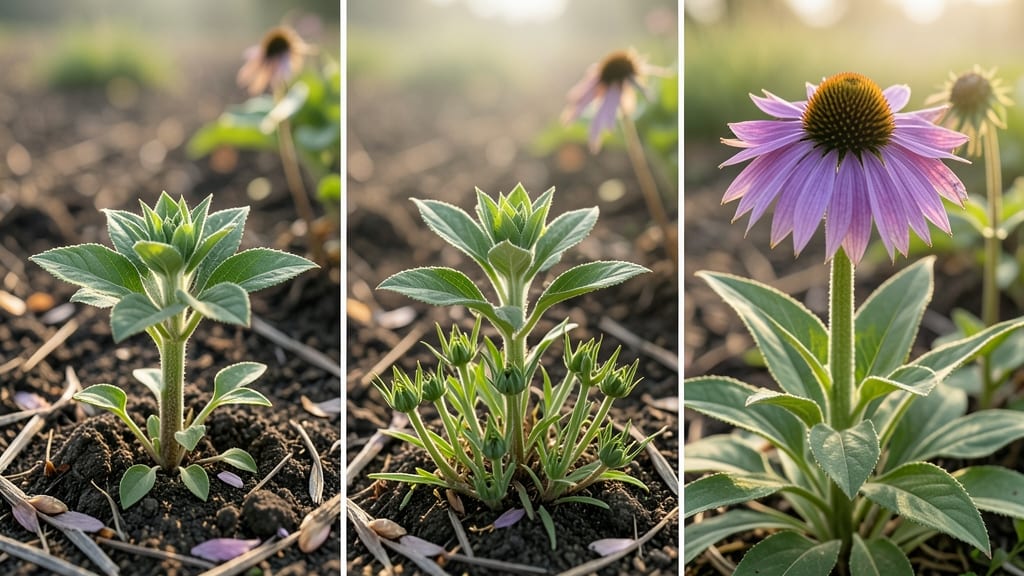
Perennials do grow back every year thanks to their energy reserves stored in roots, rhizomes, or tubers, which fuel new growth when conditions become favorable. Many appear to die back seasonally but persist underground until spring.
This survival strategy sets perennials apart from annuals, which complete their entire life cycle in one season. 🌱 The underground structures act like natural batteries, storing carbohydrates and nutrients during active growth to sustain the plant through winter or drought.
For example, peonies rely on thick roots, while daylilies use rhizomes—both systems ensure they bounce back stronger each year with proper care.
What's fascinating is how these plants "know" when to regrow. Temperature shifts and daylight changes trigger hormonal signals that wake up dormant buds. This biological clock explains why some perennials like hostas may look completely dead in winter but return with vibrant foliage by spring.
💡 In This Article
- How Perennial Plants Survive Winter Through Underground Structures
- Caring for Perennials After Dieback: Pruning and Seasonal Tips
How perennial plants survive winter through underground structures
Perennials rely on specialized underground storage organs that function like biological batteries. These structures—including roots, rhizomes, tubers, and bulbs—store carbohydrates, proteins, and water during the growing season.
For example, peony roots can swell to 2-3 inches in diameter, packing enough energy to support 5-7 years of regrowth. The key is their ability to convert sunlight into starches through photosynthesis, then break down these reserves when conditions turn unfavorable.
The survival mechanism involves a process called dormancy, triggered by temperature drops and shorter daylight. As nights grow colder, plants redirect nutrients to their storage organs while shedding leaves to conserve moisture.
Some, like bearded iris, form thick rhizomes that can survive -20°F temperatures, while others like tulip bulbs produce protective layers that prevent freezing. This adaptation explains why perennials often look dead in winter but return stronger in spring—unlike annuals that complete their entire life cycle in one season.
What makes this system so efficient is the plant's ability to prioritize storage over growth. During peak summer, up to 70% of a perennial's energy goes toward building underground reserves. This is why proper care—like avoiding heavy pruning in late summer—helps maintain these energy stores.
For instance, coneflowers store enough energy in their taproots to produce 20-30 stems the following year, while hostas use their thick, fleshy roots to regenerate even after complete winter dieback.
Seasonal variations play a crucial role in this survival strategy. In temperate climates, perennials enter dormancy when nighttime temperatures stay below 40°F for several weeks. The plant's hormonal system shifts from growth-promoting gibberellins to stress-resistant abscisic acid, which helps protect cells from freezing.
This biological clock ensures timing is precise—some plants like bleeding heart won't break dormancy until soil temperatures reach 50°F, while others like black-eyed Susans can tolerate cooler soils.
Understanding this mechanism helps explain why perennials often appear more resilient than annuals. While annuals must complete their entire life cycle in one season, perennials spread their energy investment over years. For example, a daylily rhizome can live for decades if undisturbed, continually producing new shoots from its stored reserves.
This long-term strategy makes perennials ideal for landscapes, as they require less frequent replanting and can adapt to changing conditions over time.
One fascinating adaptation is how some perennials modify their storage strategies based on climate. In dry regions, plants like yucca develop thick, water-storing roots, while in cold climates, heuchera produces deep, insulating root systems.
These variations show nature's flexibility in survival strategies, allowing perennials to thrive in diverse environments from deserts to alpine meadows.