
Plants
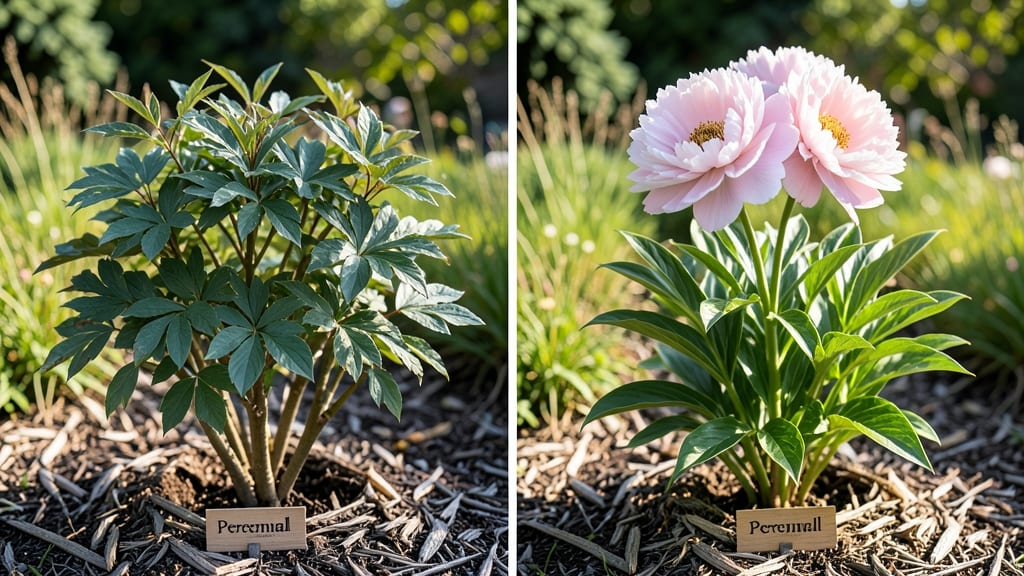
Perennials do come back each year because their roots or underground stems survive winter, but their regrowth depends on your USDA cold hardiness zone and the plant's specific cold tolerance. Most varieties thrive when planted in zones matching their native climate range.
This resilience comes from their underground systems—whether deep taproots, fibrous networks, or rhizomes—that store energy and remain dormant during cold months. 🌱 The key factor is how well these structures insulate against freezing temperatures, with mulch acting as a protective blanket against frost heave.
For example, peonies in Zone 3 can handle -40°F winters, while tender perennials like bougainvillea need Zone 10's mild winters to survive. Understanding your zone helps you choose plants that naturally regrow in your climate without extra protection.
What's interesting is how microclimates can shift these boundaries. A south-facing wall might extend your growing zone by 2-3 degrees, while a windbreak can protect tender plants from harsh winter winds.
I always recommend checking the USDA Plant Hardiness Map first, then adjusting for local conditions—this simple step makes the difference between a thriving perennial garden and winter casualties.
💡 In This Article
- How Perennial Roots Survive Winter Freeze
- Selecting Perennials for Your Cold Hardiness Zone
How perennial roots survive winter freeze
The secret to perennial survival lies in their specialized underground structures. Unlike annuals that die back completely, perennials store energy in roots, tubers, or rhizomes that remain dormant during winter.
For example, peony roots can reach depths of 2-3 feet, insulating the crown from freezing temperatures down to -40°F in Zone 3. The key mechanism is antifreeze proteins produced by the plant—these bind to ice crystals, preventing them from growing large enough to rupture cell walls.
Crown insulation becomes critical when temperatures fluctuate. The crown (where stems meet roots) is the most vulnerable part, and mulch acts like a thermal blanket. A 4-6 inch layer of organic mulch (like straw or shredded leaves) can raise soil temperatures by 5-10°F, protecting tender perennials.
Without proper insulation, frost heave (when soil freezes and expands) can push crowns above ground, exposing them to lethal freeze-thaw cycles. This is why gardeners in colder zones often double up on mulch or use burlap wraps around sensitive plants.
Dormancy triggers are another fascinating adaptation. As daylight shortens, perennials produce abscisic acid, a hormone that signals roots to stop growing and enter a state of suspended animation. This process conserves energy while hardening cell membranes to resist freezing.
For instance, hostas in Zone 4 can survive -30°F winters because their cells produce glycerol, a natural antifreeze compound similar to what fish use in icy waters. The trade-off? These hardened roots need 2-3 months of consistent warmth in spring to "wake up" and resume growth.
Not all perennials are equally hardy—this is where the hardy vs. tender distinction comes in.
Hardy perennials like coneflowers (Echinacea) thrive in Zones 3-9 because their roots can withstand prolonged freezing, while tender perennials like oleander (Zone 8+) die back to the ground in frost but regrow from protected root systems.
The difference often comes down to how deep roots penetrate: shallow-rooted plants are more vulnerable to temperature swings near the soil surface.
What most gardeners overlook is how soil moisture affects winter survival. Wet, heavy soils conduct cold more efficiently than dry, sandy ones, which is why raised beds or well-draining soil can extend a plant's hardiness by 1-2 zones.
For example, a daylily in Zone 5 might survive -20°F in well-drained soil but succumb to -15°F in clay-heavy ground. Testing your soil's drainage and adjusting with amendments (like perlite) can make a dramatic difference in perennial longevity.
Here's a pro tip: Observe your garden's last frost date and first frost date—these bookend the growing season and determine how long perennials have to establish roots before winter.
For instance, in Zone 6, perennials need 90-120 days of growth before the first frost to store enough energy for survival. Planting too late can leave roots underdeveloped, making them more susceptible to winter kill. 🌿