
Flowers
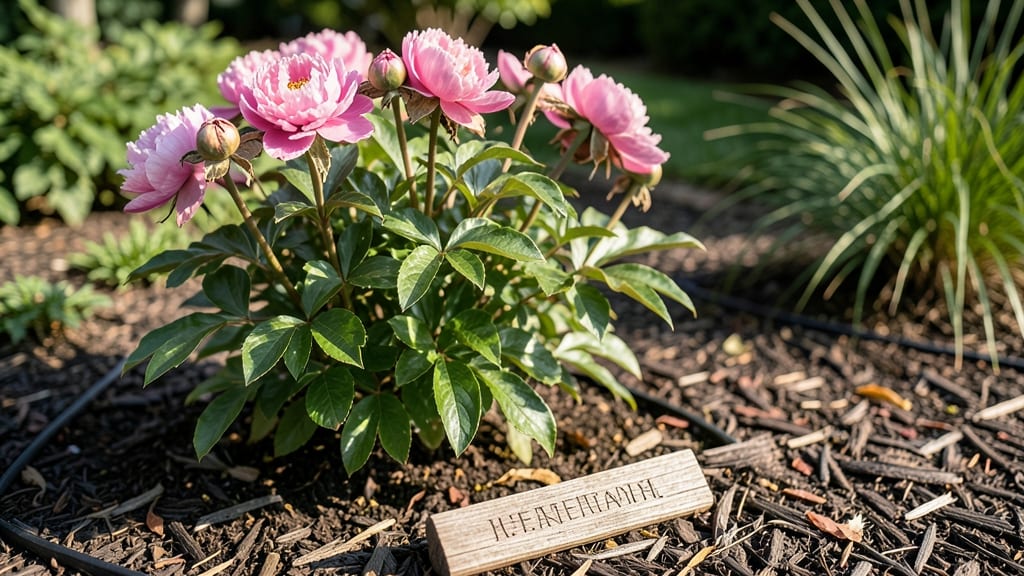
Perennials don't flower every year—they follow a natural cycle where above-ground growth dies back seasonally, while roots and crowns remain alive underground to regrow and bloom again in spring. Most healthy perennials will rebloom annually, though some may skip flowering during their first year or under stress.
This seasonal cycle is actually a survival strategy that helps perennials conserve energy during harsh conditions. 🌱 Unlike annuals that complete their entire lifecycle in one season, perennials store nutrients in their roots during dormancy, then redirect that energy toward new growth when conditions improve.
The timing of reblooming varies by species—some like coneflowers bloom reliably each year, while others like peonies may take 2-3 years to establish before flowering consistently. Proper care like well-draining soil and regular watering helps maintain this natural rhythm.
What's interesting is how different perennials adapt to their environments. Hardy varieties like lavender can survive freezing temperatures by going dormant, while tender perennials like canna lilies may require winter protection to ensure they'll return the following spring.
The key is understanding each plant's specific needs—some thrive with minimal intervention, while others need careful pruning and feeding to encourage strong reblooming.
💡 In This Article
- How Perennial Dieback Works: Root and Crown Survival Explained
- Tips to Encourage Annual Blooming in Perennials
How perennial dieback works: root and crown survival explained
The secret to a perennial's longevity lies in its underground storage system. During dieback, the plant's foliage and stems wither away, but the roots and crown (the thickened base where stems emerge) remain alive and active.
These structures store carbohydrates like starch and sugars—produced through photosynthesis during the growing season—which serve as energy reserves for regrowth. Think of it like a plant's winter savings account, where nutrients accumulate in the 1-3 inch thick crown region, allowing it to survive months without sunlight.
Temperature and daylight act as natural triggers for this process. As days shorten and temperatures drop below 50°F, most perennials enter dormancy, halting leaf production and redirecting resources to root development.
Hardy perennials like black-eyed Susans can endure freezing temperatures by producing antifreeze proteins that protect their cells, while tender varieties such as dahlias need insulation or indoor overwintering to prevent crown damage.
The timing varies—some perennials like peony may take 6-8 weeks of cold exposure to break dormancy, while others like beard tongue respond to spring warmth within 2-3 weeks.
This survival strategy isn't just about endurance—it's a calculated energy conservation. When perennials regrow in spring, they prioritize rebuilding their root systems before producing new foliage and flowers.
You'll often see the first signs of life as small, pale shoots pushing through the soil, which are actually new roots establishing themselves before the plant invests in above-ground growth.
This two-phase process explains why some perennials may appear "dead" for months before bursting back to life—it's all part of their carefully timed biological clock.
Not all perennials follow this pattern identically. Bulb-based perennials like tulips rely on specialized underground storage organs (bulbs), while rhizomatous types like iris spread horizontally to store energy. Even within the same species, environmental factors like soil moisture and nutrient availability can influence how aggressively a plant stores reserves.
For example, a coneflower growing in nutrient-poor soil may produce fewer blooms because it diverts more energy to root development rather than flower production.
What's fascinating is how this process varies by climate zone. In USDA Zone 5 (where winters drop below -20°F), perennials like Russian sage develop deep taproots that can reach 3-5 feet underground, while in warmer Zone 9 areas, plants like salvia may go semi-dormant rather than fully die back.
The key difference is that hardy perennials store energy in both roots and crowns, while tender varieties often rely more on their crowns, making them more vulnerable to frost damage.
Understanding this biological mechanism helps explain why some perennials skip flowering. When a plant's energy reserves are depleted—due to poor soil, drought, or overcrowding—it may prioritize survival over reproduction.
This is why proper care, including annual fertilization and seasonal pruning, is crucial for maintaining the plant's ability to rebloom year after year. The health of those underground structures directly determines whether your garden will burst with color in spring or remain disappointingly bare.