
Size
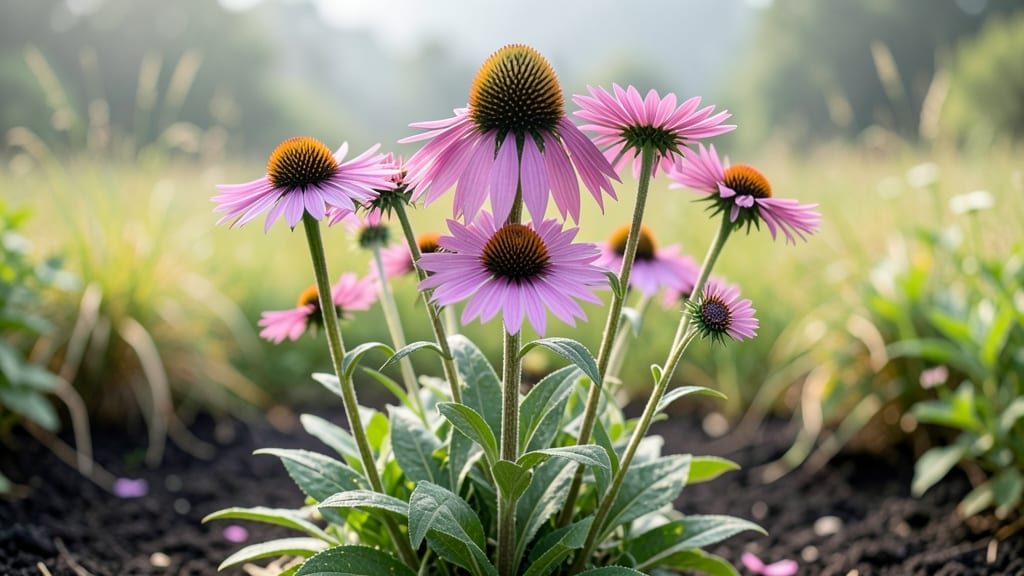
Perennials do grow back each year because their roots, crowns, or rhizomes survive winter dormancy, storing energy to regenerate foliage and flowers when conditions improve. Proper care ensures consistent regrowth season after season.
Perennials thrive because their underground systems—like tuberous roots or fibrous networks—act as living batteries. 🌱 During dormancy, they convert stored sugars into new shoots when temperatures rise, often before you even notice last year's leaves have faded.
Unlike annuals that complete their life cycle in one season, perennials prioritize root growth first, which is why they bounce back stronger with each passing year when given the right conditions.
This natural cycle explains why your peonies or hostas seem to "disappear" in winter only to return with vigor. The key difference between hardy perennials (like coneflowers) and tender varieties (like cannas) lies in their cold tolerance—hardy types can handle freezing temps while tender ones need protection or warmer climates.
Understanding this helps you time pruning and mulching for maximum regrowth potential.
💡 In This Article
- How Perennial Roots Survive Winter Dormancy
- When and How to Prune Perennials for Best Regrowth
How perennial roots survive winter dormancy
Perennial roots act like nature's energy storage units, converting sunlight into starches during the growing season. These specialized root systems—whether tuberous (like dahlias), fibrous (such as daylilies), or woody (like asparagus)—store carbohydrates in their cells, creating a reserve that fuels regrowth.
For example, a single dahlia tuber can store enough energy to produce multiple stems, while fibrous roots like those of hostas spread horizontally to capture nutrients efficiently.
The dormancy process begins when temperatures drop below 50°F and daylight shortens. Plant hormones trigger a shutdown of above-ground growth, redirecting all resources underground. Hardy perennials (zones 3-7) can survive -20°F to -10°F because their cells produce antifreeze proteins that prevent ice crystal formation.
Tender perennials (zones 8-11) rely on mulch or frost blankets to maintain soil temps above 32°F—below this, their cells rupture.
What's fascinating is how roots "remember" their growth patterns. Even after complete dieback, the crown (where roots meet stems) contains dormant buds that activate when soil temperatures reach 55°F and moisture becomes available.
This explains why you might see new shoots emerge weeks before last year's foliage has fully decomposed—a clear sign the plant is already preparing for spring.
Seasonal dieback patterns vary dramatically: hardy perennials like coneflowers may lose all foliage but keep their roots alive, while tender varieties like cannas die back to the ground but regrow from underground rhizomes.
The key difference lies in their cold tolerance thresholds—hardy types can handle prolonged freezing, while tender ones need protection from even light frosts.
Consider the case of peonies: their thick, woody roots store enough energy to produce massive blooms for decades. In contrast, daylilies rely on their extensive fibrous root network to regenerate quickly after frost. This biological diversity is why perennials thrive in different climates—each type has evolved unique survival strategies.
What most gardeners don't realize is that proper winter care—like adding 3-4 inches of mulch—can boost next year's growth by 20-30%. The mulch insulates roots while preventing soil temperature swings that stress dormant buds. 🌱