
Flowers
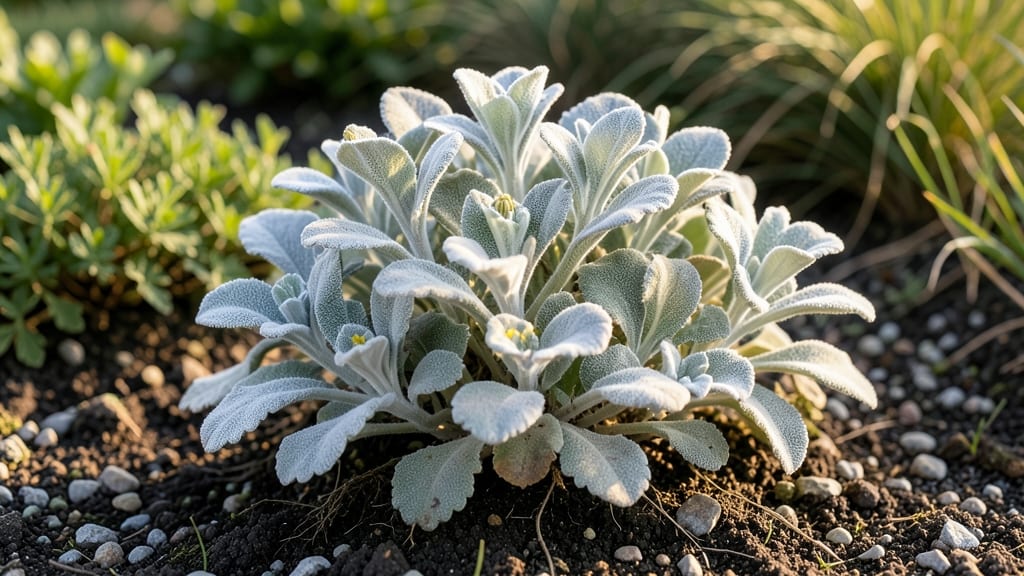
Deciding whether dusty miller is annual or perennial depends on your climate: it thrives as a hardy perennial in frost-free zones but acts as an annual in colder regions where winter freezes kill its foliage, though the roots often survive underground.
This gray-green foliage plant's behavior comes down to cold tolerance. 🌱 In warmer climates, dusty miller's roots stay active year-round, sending up new growth each spring from the same established system. The key difference?
In colder zones, frost triggers dormancy, causing the plant to look dead above ground but actually conserving energy below. Many gardeners mistakenly think it's gone for good—until surprising regrowth appears in spring.
What makes this interesting is how easily you can manipulate its lifespan. With proper winter care like mulching or container protection, you can coax it to behave more like a perennial even in colder areas.
The plant's natural resilience means it often returns stronger than before, making it a favorite for gardeners who want low-maintenance greenery.
💡 In This Article
- Dusty Miller’s Perennial Growth Cycle Explained
- How to Extend Dusty Miller’s Lifespan in Cold Climates
Dusty miller’s perennial growth cycle explained
Dusty miller's growth cycle hinges on its native Mediterranean origins, where it evolved to survive dry summers and mild winters. In frost-free zones (USDA zones 7-11), this plant behaves as a true perennial, maintaining an active root system year-round.
The roots store carbohydrates during the growing season, fueling regrowth when conditions are favorable. This underground network can live for 5-10 years if undisturbed, producing new foliage each spring from the same root stock.
The magic happens at 32°F (0°C)—this temperature triggers dormancy in colder climates. When frost hits, the above-ground foliage turns brown and appears dead, but the roots remain alive below the frost line.
What most gardeners miss is how these roots contain meristematic cells (growth points) that can regenerate foliage when temperatures rise above 50°F (10°C) in spring. This is why dusty miller often returns stronger than before—its root system has been building reserves all winter.
In warmer climates, dusty miller grows continuously, reaching 12-24 inches tall with a spread of 12-18 inches when mature. The key difference is the lack of winter dieback—leaves persist year-round unless pruned.
In colder regions, the plant's survival strategy shifts to prioritize root preservation over foliage, which is why it's often classified as an annual despite its perennial nature. The root crown (where stems meet roots) contains protective tissues that insulate against freezing.
What's fascinating is how dusty miller's growth responds to day length. In frost-free zones, it grows most vigorously during 12-14 hour daylight periods (spring to fall), while in colder climates, it enters dormancy when days shorten below 10 hours of sunlight.
This photoperiod sensitivity explains why northern gardeners sometimes see regrowth in late winter—when daylight increases, the roots "know" it's time to push new shoots.
Here's what's actually happening underground during dormancy: The roots convert stored starches to sugars, which act as antifreeze agents. This process is similar to how some trees survive winter—except dusty miller's roots are much more compact (6-12 inches deep), making them vulnerable to deep freezes (below 10°F/-12°C).
That's why mulching becomes critical in marginal climates—it creates an insulating blanket that maintains soil temps above 20°F (-6°C).
Consider these key factors when evaluating dusty miller's lifespan:
- Root depth: Shallow roots (6-12 inches) mean it's more sensitive to soil temperature fluctuations than deeper-rooted perennials
- Climate zones: Thrives as perennial in zones 7+; acts as annual in zones 5-6 without winter protection
- Regrowth timing: Typically emerges 2-4 weeks after last frost when soil reaches 50°F (10°C)
- Foliage lifespan: Leaves last 1-2 years in warm climates; die back annually in cold zones
The plant's ability to regenerate from the same root system makes it uniquely adaptable. Even if you see no signs of life in winter, those roots might still be viable for 2-3 years underground—waiting for the right conditions to return.
This resilience is why dusty miller has become a garden staple despite its "annual" reputation in colder regions. 🌿