
Plants
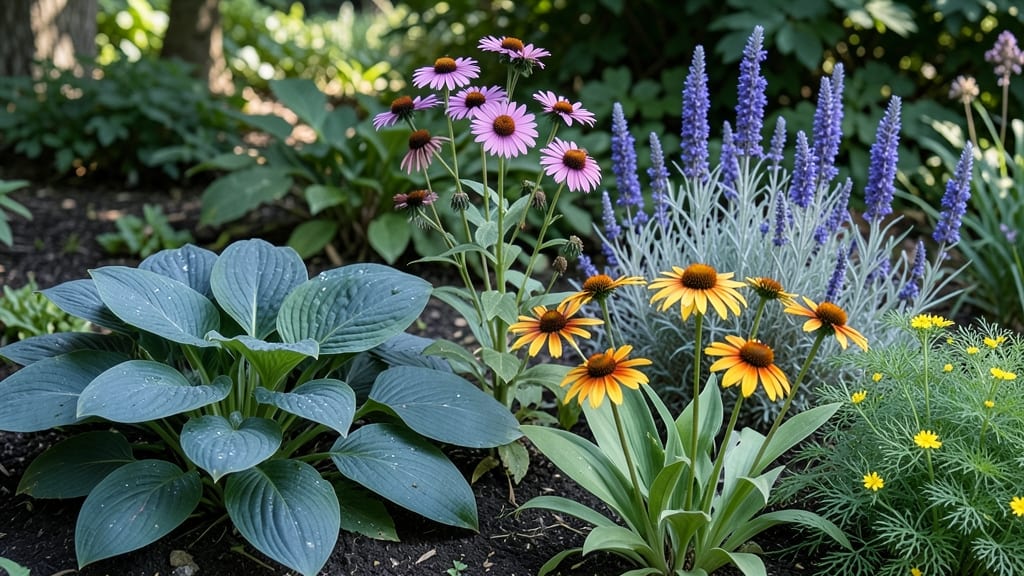
Examples of perennials include hardy plants like lavender, hostas, and coneflowers that thrive year after year, delivering vibrant blooms and requiring minimal replanting. Opt for drought-resistant types like sedum or shade-friendly choices like ferns to simplify garden upkeep.
Perennials stand out because they establish deep root systems that make them resilient against drought and pests. 🌱 Unlike annuals, which need yearly replanting, these plants grow stronger each season, offering consistent color and texture.
For instance, black-eyed Susans and bee balm attract pollinators while thriving in poor soil, while Russian sage handles full sun and dry conditions effortlessly. This makes them perfect for low-maintenance landscapes or pollinator gardens.
Many gardeners also love perennials for their seasonal variety—some bloom early in spring, while others shine in fall. Daylilies and catmint are great for sunny spots, whereas heuchera and astilbe thrive in shadier areas.
The key is matching plants to your climate and light conditions, ensuring they return year after year with minimal effort.
💡 In This Article
- Why Perennials Are Ideal for Long-Term Gardens
- Top Perennials for Different Garden Conditions
Why perennials are ideal for long-term gardens
The real magic of perennials lies in their deep root systems, which develop over time to reach 3-5 feet underground in mature plants like peonies. This extensive network allows them to access water and nutrients efficiently, making them far more drought-resistant than annuals.
For example, lavender roots can spread 2-3 feet wide, creating a dense mat that suppresses weeds while conserving moisture—ideal for USDA zones 5-9 where summer droughts are common. 🌱
Unlike annuals that complete their life cycle in one season, perennials store energy in their roots during winter, then regrow from the same system each spring. This energy reserve means they often produce more flowers and foliage with each passing year.
Take coneflowers: a well-established plant can yield 50-100 stems by its third year, while a newly planted annual would require complete replanting. Their self-seeding abilities also reduce labor—many perennials like black-eyed Susans scatter seeds naturally, creating new plants without gardener intervention.
Perennials also support biodiversity by providing year-round habitat. Plants like Russian sage bloom late summer into fall, when few other flowers are available, sustaining pollinators like monarch butterflies.
The foliage of hostas and ferns offers shelter for beneficial insects, while their deep roots prevent soil erosion better than shallow-rooted annuals. This ecosystem service makes them particularly valuable in native plant gardens and pollinator-friendly landscapes.
Another advantage is their adaptability to different soil types. While some perennials like daylilies tolerate clay-heavy soils, others such as sedum thrive in sandy, well-draining conditions. This flexibility means you can create layered garden designs with minimal soil amendments.
For instance, pairing heuchera (shade-tolerant) with salvia (sun-loving) in the same border demonstrates how perennials can coexist across microclimates within a single garden. ✨
Climate resilience is another standout feature. Perennials like catmint survive winter temperatures down to -30°F, while drought-tolerant varieties such as yucca require only 1-2 inches of water per month once established. This hardiness reduces the need for irrigation systems or constant monitoring—critical factors for low-maintenance landscapes.
The trade-off? Some perennials may need division every 3-5 years to prevent overcrowding, but this is a minor effort compared to annual replanting.
For gardeners prioritizing sustainability, perennials offer the ultimate solution. Their long lifespan (many live 10-20 years) means fewer resources are wasted on propagation.
Plus, established perennials outcompete weeds through dense foliage, reducing the need for herbicides. 💫 The initial investment in planting pays dividends through decades of color, texture, and ecological benefits**—far outweighing the annual cycle of planting, growing, and discarding typical garden flowers.