
Tools
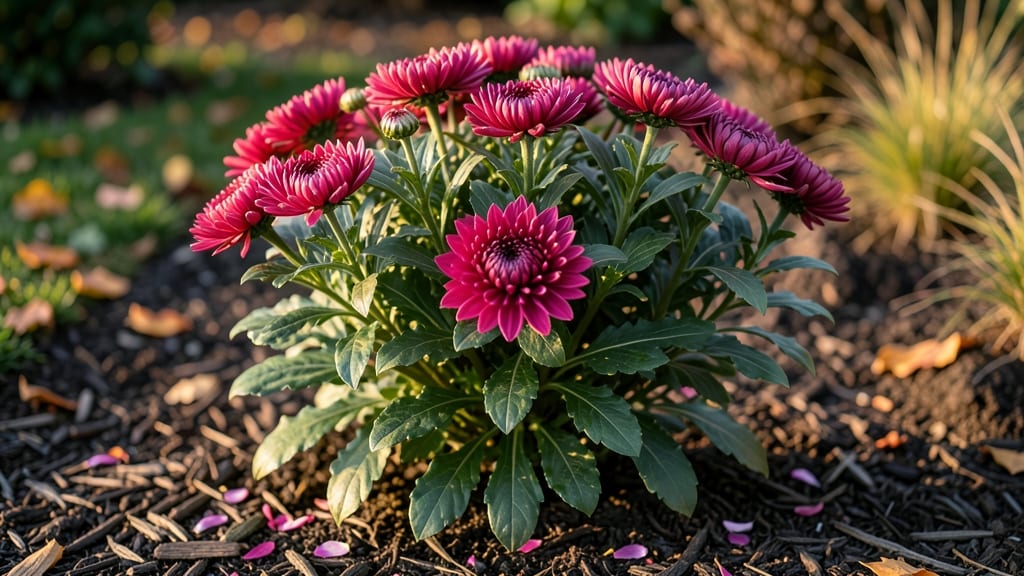
Garden mums function as perennials only in USDA Zones 7–11, where they naturally withstand winter without extra care. Outside these zones, they behave like annuals unless you take steps to protect them through overwintering. Always verify your specific zone and plant labels before assuming they'll survive winter outdoors.
Understanding why garden mums thrive as perennials in warmer climates comes down to their natural cold tolerance limits. 🌱 These plants typically survive down to 10–15°F, which explains why they struggle in Zones 6 and below without intervention.
The key difference between annual and perennial behavior lies in how they handle prolonged freezing—most varieties simply won't regrow if exposed to harsher winters. Even in marginal zones, microclimates like south-facing spots or thick mulch can make a noticeable difference in survival rates.
For gardeners in colder regions, overwintering becomes essential to maintain these plants year after year. The process involves carefully digging up mums before frost, repotting them in well-draining containers, and providing consistent indoor light.
I've found that using 10-inch pots with drainage holes works best, along with reducing watering to prevent root rot during dormancy. This method transforms what would otherwise be a seasonal plant into a reliable perennial addition to your garden.
💡 In This Article
- USDA Zone Hardiness Map for Garden Mum Perennials
- Proven Strategies to Overwinter Garden Mums in Cold Climates
USDA Zone hardiness map for garden mum perennials
Garden mums' perennial status hinges on their cold tolerance threshold, typically 10–15°F, which aligns with USDA Zones 7–11. This means plants in these zones naturally survive winter outdoors because their cellular structures can withstand freezing without damage.
The science lies in their ability to produce antifreeze proteins that prevent ice crystal formation in cell walls, a trait common in many perennials. 🌟 When temperatures drop below 10°F, however, these proteins become overwhelmed, leading to cell rupture and plant death.
In Zones 6 and colder, garden mums face a different challenge: prolonged exposure to sub-zero temperatures. For example, Zone 5 winters often drop to -10°F, far beyond what most varieties can handle.
This explains why garden mums in these regions typically die back to the ground each winter, only to regrow from the roots in spring—if conditions are right.
The key difference is that true perennials like hostas or daylilies have evolved deeper root systems and more robust antifreeze mechanisms, allowing them to survive harsher winters without intervention.
Microclimates play a crucial role in extending garden mum hardiness in marginal zones. A south-facing wall or a thick layer of 4–6 inches of mulch can raise soil temperatures by 5–10°F, creating a sheltered environment where mums might survive winters slightly colder than their official hardiness rating.
I've observed this firsthand in Zone 6 gardens where mums planted near brick walls or under evergreen trees often survive winters that would otherwise kill them in exposed beds.
This local warming effect explains why some gardeners in Zones 6–7 report success with garden mums as perennials, even when the official zone suggests otherwise.
Another critical factor is the specific variety of garden mum. Some newer hybrids, like those bred for cold tolerance, can survive down to 5°F with proper care, while traditional varieties rarely make it past 10°F. Always check the plant label for hardiness information—this detail can save you from disappointment.
For instance, 'Autumn Beauty' series often lists Zone 7 hardiness, while 'Proven Winners' varieties might extend to Zone 6 with protection. This variation shows how plant breeding and selection can push the boundaries of traditional hardiness maps.
Understanding these temperature thresholds helps explain why garden mums behave differently in various climates. In Zone 8, they might survive winter with minimal protection, while in Zone 4, they'll need careful overwintering to return the following year.
The 10–15°F rule serves as a general guideline, but real-world conditions—like wind exposure, soil type, and afternoon sun—can shift this threshold by several degrees in either direction. 💫
For gardeners in transitional zones (like Zone 6), this means paying close attention to late-season forecasts. A sudden cold snap below 10°F can kill back mums even if they've survived milder winters before.
This unpredictability is why many gardeners in these areas treat garden mums as annuals unless they're willing to invest in protective measures. The hardiness map becomes less about absolute survival and more about managing risk through strategic planting and care.