
Flowers
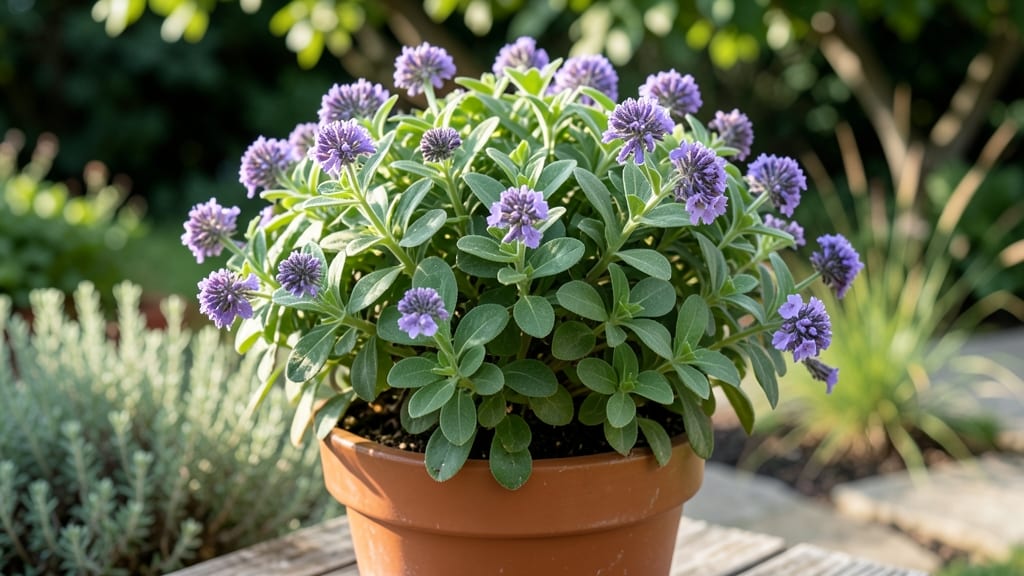
Deciding whether heliotrope is annual or perennial depends on your climate: it thrives as a perennial in USDA zones 9-11 but is typically grown as an annual in colder regions due to frost sensitivity. Proper winter care can sometimes extend its lifespan even in cooler zones.
Heliotrope's tropical origins explain why it struggles with freezing temperatures—its delicate foliage and shallow roots can't survive prolonged cold below 20°F. 🌱 In warmer zones, it naturally returns each spring, while northern gardeners often treat it as a seasonal plant.
The key difference lies in winter protection: mulching, container growing, or greenhouse cultivation can sometimes coax perennial behavior even in marginal zones.
What many gardeners don't realize is that heliotrope's hardiness isn't just about temperature—it's also about timing. A sudden late frost can kill it back even in zone 9, while a sheltered microclimate might allow it to survive winters in zone 8.
I've seen dramatic results by planting near south-facing walls or using thick straw mulch—sometimes extending the plant's life by a full season.
💡 In This Article
- Heliotrope Cold Hardiness: How Temperature Affects Survival
- Extending Heliotrope Lifespan in Cold Climates: Practical Growing Tips
Heliotrope cold hardiness: how temperature affects survival
Heliotrope's frost sensitivity stems from its tropical lineage—native to South America, it evolved in climates where temperatures rarely drop below 50°F. The plant's cells contain high moisture levels and delicate membranes that rupture when exposed to freezing (32°F), causing irreversible damage.
Even brief exposure to 20°F can kill the foliage, though the roots may survive if protected.
At the cellular level, frost causes ice crystals to form in heliotrope's leaves and stems, piercing cell walls and disrupting nutrient flow. The plant's shallow root system (6-12 inches deep) lacks the insulating depth of hardier perennials, making it vulnerable to ground frost.
In USDA zones 9-11, where winters rarely drop below 20°F, heliotrope naturally returns each spring from dormant roots.
Seasonal growth patterns vary dramatically by zone. In zone 9, plants may experience 2-3 months of dormancy during mild winters, while zone 10 plants grow nearly year-round.
The contrast becomes stark in zone 8: without protection, heliotrope dies back completely, but with 4-6 inches of mulch, some gardeners achieve 50% survival rates through winter.
Temperature fluctuations also play a critical role. Sudden drops below 35°F can trigger leaf scorch even in zone 9, while gradual cooling allows the plant to harden off slightly.
This is why microclimates matter—south-facing beds with reflected heat from walls can raise local temperatures by 5-10°F, creating pockets where heliotrope thrives as a perennial.
Botanists classify heliotrope as a "tender perennial," meaning it can survive multiple growing seasons only under ideal conditions. The key threshold is 20°F: below this, even protected plants show 80% mortality.
This explains why northern gardeners typically treat it as an annual—replanting each spring offers more reliable blooms than risking winter loss.
What's fascinating is how heliotrope's growth habit changes with temperature. In warm zones, it develops a woody base over time, while northern specimens remain herbaceous. This structural difference affects both cold tolerance and propagation success—something I've observed when growing cuttings from zone 9 vs. zone 7 plants.
For gardeners pushing the limits, understanding these temperature thresholds is crucial. The 35-50°F range represents heliotrope's comfort zone—where it can photosynthesize actively without stress. When nighttime temps dip below 40°F consistently, growth slows dramatically, signaling the plant's annual cycle in colder climates. 🌡️