
Blooming
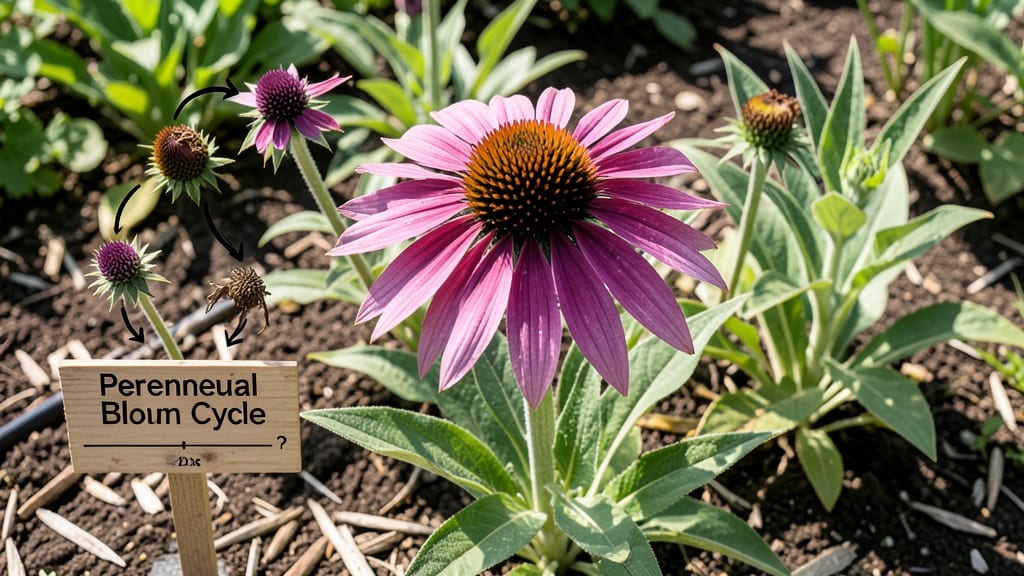
How often perennials bloom varies by species: some produce just one flush of flowers annually in spring or summer, while others can bloom repeatedly throughout the season—or even continuously—when given proper care, sunlight, and seasonal adjustments.
Perennial plants follow unique bloom patterns based on their natural growth cycles. 🌸 Annual bloomers like peonies or hostas focus their energy on a single spectacular show, often in late spring or early summer, while repeat bloomers such as coneflowers or black-eyed Susans produce multiple flower cycles when deadheaded regularly.
The key factors influencing frequency include your hardiness zone, daylight exposure, and soil fertility—each plant has its own rhythm, but consistent care helps extend those vibrant displays.
For example, lavender thrives with minimal watering and full sun, rewarding you with continuous blooms if you prune lightly after each flush. Meanwhile, black-eyed Susans benefit from deadheading spent blooms to encourage a second round of flowers in late summer.
Understanding these patterns lets you tailor your garden maintenance to maximize bloom time and color variety throughout the growing season.
💡 In This Article
- Understanding Perennial Bloom Cycles by Type
- Tips to Encourage Frequent Perennial Blooms
Understanding perennial bloom cycles by type
Perennial flowering patterns are dictated by their biological energy storage and environmental triggers. Annual bloomers like peonies store energy in their roots during winter and devote all their resources to a single, dramatic spring or early summer display.
This is because their growth cycle is synchronized with daylight length—longer days trigger flowering hormones, and once they bloom, their energy is spent.
In contrast, repeat bloomers such as coneflowers or bee balm produce multiple flower cycles because they allocate energy differently, often storing carbohydrates in roots and stems for successive blooms.
The hardiness zone plays a critical role in bloom timing. For example, peonies (Zone 3-8) bloom reliably in late spring when soil temperatures reach 55-60°F, while lavender (Zone 5-9) thrives in warmer Zone 7-9 climates and blooms continuously from early summer through fall if pruned correctly.
Daylight exposure is another key factor—short-day plants like chrysanthemums bloom when daylight shortens in fall, while long-day plants like delphiniums respond to increasing daylight in spring. 🌿
Root energy storage is the secret behind repeat bloomers. Plants like black-eyed Susans store excess sugars in their roots during their first bloom, allowing them to produce a second flush in late summer if deadheaded.
Meanwhile, hostas focus their energy on foliage growth rather than flowers, producing just one modest bloom cycle annually. This biological trade-off explains why some perennials look lush but flower sparsely, while others like coneflowers can bloom from midsummer to frost with proper care.
Seasonal conditions also influence bloom frequency. Drought stress or nutrient deficiencies can force plants to divert energy away from flowering to survival.
For instance, shasta daisies may produce fewer blooms in Zone 5 if winter soil stays too wet, while Russian sage thrives in Zone 4-9 and blooms prolifically if given well-draining soil.
The interplay between genetics, climate, and care creates these distinct bloom patterns that gardeners can work with to extend seasonal interest.
Consider the example of daylilies, which can produce 10-20 blooms per stem over a 4-6 week period if deadheaded regularly. Their underground rhizomes store enough energy to support multiple flower stalks, unlike lilies, which bloom just once per stalk.
This biological diversity means your garden can offer continuous color from early spring through fall by strategically combining annual, repeat, and continuous bloomers.