
Planting
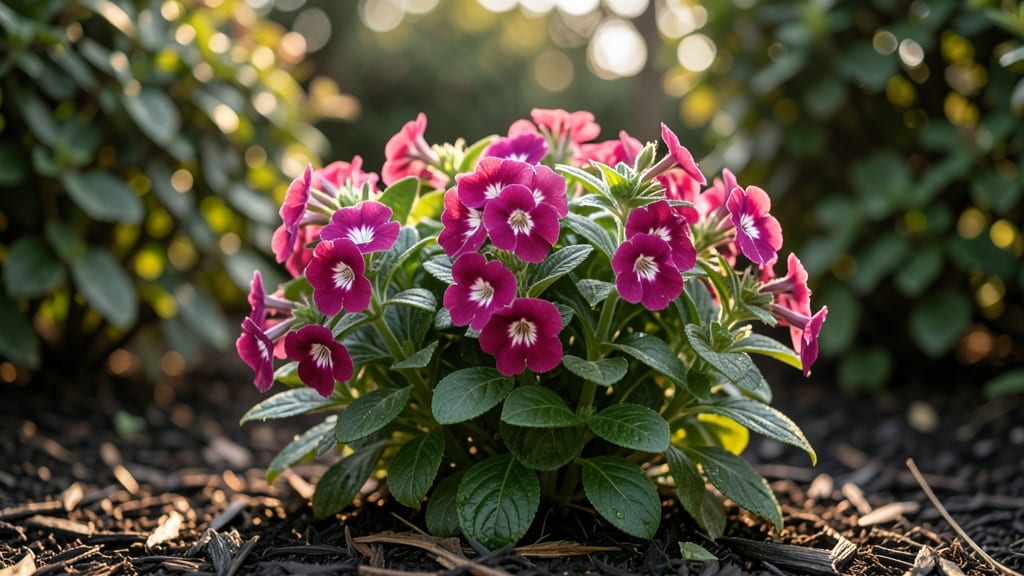
Impatiens plants function as annuals in most gardens because they can't survive freezing temperatures, though they're technically tender perennials that die back when frost hits. Their ability to return year after year depends entirely on your USDA zone, with only frost-free areas (zones 10-11) allowing them to persist naturally.
Most gardeners treat impatiens as annuals because these tropical plants simply can't tolerate temperatures below 40°F. 🌱 The moment frost arrives, their leaves blacken and stems collapse—so unless you're in a warm coastal zone, you'll need to replant each spring.
What's fascinating is how some varieties, like Impatiens walleriana, can actually regrow from roots if given protection during winter, though this requires careful overwintering techniques in containers or greenhouses.
In frost-free climates, impatiens can thrive as perennials, often returning with even more vigor than their first year. The key difference comes down to microclimate protection—even in marginal zones, gardeners sometimes succeed by moving potted plants to sheltered spots or using frost blankets.
For those in colder regions, the solution is simple: treat them as annuals and enjoy their bright, continuous blooms all summer long.
💡 In This Article
- Why Impatiens Are Classified as Annuals in Most Gardens
- How to Extend Impatiens Lifespan in Different Climates
Why impatiens are classified as annuals in most gardens
Impatiens belong to the Balsaminaceae family and are native to tropical regions of Africa and Southeast Asia, where they thrive in warm, humid conditions year-round.
Their classification as tender perennials stems from their ability to regrow from roots if protected from frost, but this trait becomes irrelevant in most U.S. gardens where temperatures routinely drop below their 40°F tolerance threshold.
The moment nighttime temperatures dip into the 30s°F, their delicate leaves begin to blacken from cold damage, and the stems lose structural integrity within 24-48 hours.
The confusion arises because impatiens can technically survive multiple growing seasons if given ideal conditions—like a greenhouse or frost-free microclimate. In their native habitat, they grow as self-seeding perennials, producing 100-200 seeds per capsule that germinate readily in warm soil.
However, these seeds won't survive freezing ground temperatures, which is why gardeners in colder zones must start fresh each spring. The Impatiens walleriana variety (common garden impatiens) is particularly sensitive, while Impatiens hawkeri (New Guinea impatiens) may handle slightly cooler nights but still succumb to frost.
What makes this classification interesting is the plant's growth habit: impatiens grow rapidly from seed, reaching 6-18 inches in height within 6-8 weeks under ideal conditions. This rapid maturation explains why they're treated as annuals—they deliver immediate visual impact during the growing season but can't persist through winter.
The energy they'd invest in surviving cold would instead go toward producing more flowers, which is why gardeners prioritize summer blooms over winter hardiness.
Botanically, impatiens share traits with other tender perennials like coleus and begonias, which also die back in frost but can be propagated for next year. The key difference is impatiens' extreme cold sensitivity—even a light frost can kill them, whereas coleus might survive with some leaf damage.
This sensitivity is why most garden centers sell impatiens as annuals: they're designed for seasonal color rather than long-term landscape investment.
Consider this comparison: in USDA zone 10 (where winters rarely drop below 30°F), impatiens can grow as perennials, often returning with 20-30% more flowers in their second year. But in zone 5, where winters average 15°F, treating them as annuals is the only practical approach.
The plant's inability to adapt to temperature shifts below 50°F makes annual treatment the standard for 80% of U.S. gardeners.
The science behind their cold sensitivity lies in their tropical physiology: impatiens lack the antifreeze proteins found in cold-hardy plants, and their cell membranes can't withstand ice crystal formation. When temperatures drop below 40°F, their metabolic processes slow dramatically, leading to irreversible damage within 3-5 days of exposure.
This biological limitation is what forces gardeners to make the annual/perennial decision based purely on climate.