
Flowers
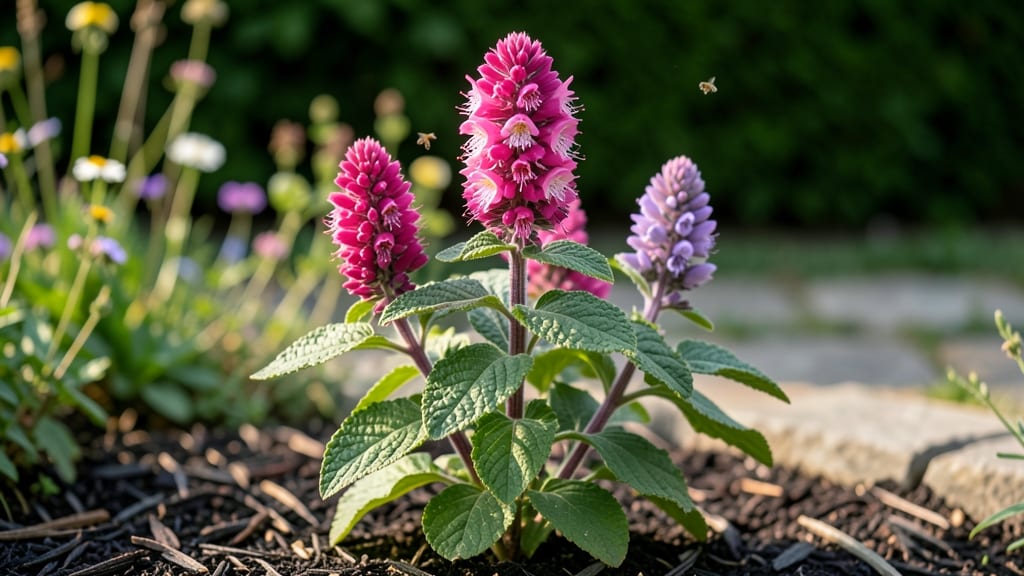
Bergamot is a perennial that dies back completely in winter but regrows each spring from its hardy root system. It thrives in USDA zones 5-9 when given proper winter protection.
Bergamot's unique survival strategy makes it behave more like a semi-hardy herb than a traditional perennial. 🌱 While it loses its above-ground foliage in freezing temperatures, its roots remain dormant but alive beneath the soil, ready to sprout fresh growth once warmer weather returns.
This dieback cycle explains why gardeners often treat it like an annual—it disappears for months but always comes back stronger.
The key to its success lies in the right growing conditions, particularly during those critical winter months when proper protection can mean the difference between a thriving plant and a lost one.
In colder climates, I've found that adding a thick layer of mulch around the base helps insulate the roots, while container-grown bergamot can be moved indoors or wrapped in frost cloth for extra protection.
This hardiness makes it an excellent choice for gardeners who want a fragrant, citrusy plant without the fuss of true perennials that require constant care year-round.
💡 In This Article
- Bergamot’s Cold-Weather Survival Mechanisms
- Winter Care Tips for Bergamot in Chilly Climates
Bergamot’s cold-weather survival mechanisms
Bergamot's survival strategy relies on its robust root system, which stores energy in thick, fibrous rhizomes that can withstand freezing temperatures down to 10°F. Unlike true perennials like lavender, which maintain some foliage year-round, bergamot sheds its leaves entirely in winter, conserving energy in its roots.
This dieback is a protective adaptation—similar to how peonies retreat underground but with less hardiness, since bergamot's roots are only semi-hardy.
The plant's growth habit also plays a key role. Bergamot grows as a bushy, multi-stemmed shrub reaching 3-5 feet tall, with stems that die back to the ground each winter. What keeps it alive are those underground rhizomes, which can regenerate new shoots when temperatures rise above 50°F in spring.
This process is triggered by a combination of soil warmth and increasing daylight, a mechanism shared with other semi-hardy perennials like asparagus.
USDA hardiness zones are crucial because they define where bergamot can naturally survive winter dieback. In zones 5-9, the plant thrives because winter temperatures rarely drop below -20°F for extended periods.
However, in colder zones (like zone 4), bergamot needs extra protection—its roots can survive brief cold snaps but may suffer damage if exposed to prolonged sub-zero temperatures without insulation.
What makes bergamot unique is its ability to regrow from multiple points along its root system, unlike tender herbs like basil that must be replanted annually. This resilience explains why gardeners often treat it as a perennial despite its annual dieback.
The trade-off? While it doesn't produce flowers or foliage during winter, its root system remains active, ready to burst into growth as soon as conditions improve.
For comparison, consider how mint behaves—it spreads aggressively via rhizomes but also dies back in winter, yet regrows even more vigorously. Bergamot's growth is more controlled, making it a better choice for gardeners who want citrusy fragrance without the invasiveness.
The key difference lies in the root structure: bergamot's rhizomes are thicker and more concentrated, storing enough energy to fuel rapid regrowth each spring.
This survival mechanism isn't just about cold tolerance—it's also about timing. Bergamot's roots begin preparing for dormancy in late fall, converting stored sugars into protective compounds that prevent cell damage.
By early spring, these compounds break down, allowing new shoots to emerge within 2-4 weeks of consistent above-freezing temperatures—a process that's both fascinating and practical for gardeners planning their planting schedules.