
Vegetables
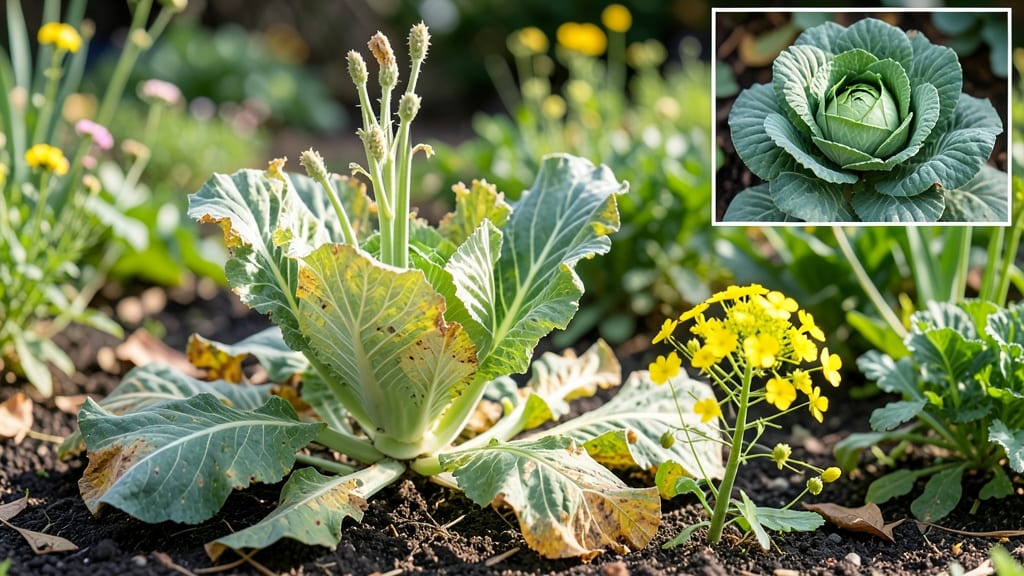
Cabbage is not a perennial—it’s an annual plant that completes its life cycle in one growing season, typically producing edible heads before dying. However, some cold-hardy varieties may survive mild winters under ideal conditions with proper care.
Cabbage's annual growth pattern stems from its botanical design to focus energy on producing a single, large edible head rather than regrowing year after year. 🌱 Unlike true perennials like asparagus, cabbage plants allocate most of their resources to head formation during the first growing season, then wither after harvest.
However, certain cold-resistant varieties—such as winter cabbage—can persist through mild winters if protected from freezing temperatures and given consistent moisture. This makes them behave more like biennials in ideal conditions, though they still won't regrow like true perennials.
What sets cabbage apart is its ability to adapt to seasonal changes. While most varieties complete their life cycle in 60-90 days, some specialized types can extend their harvest window by overwintering.
This requires strategic planting, frost protection, and selecting slow-bolting varieties that tolerate cooler temperatures. For gardeners in short-season climates, these techniques can effectively turn cabbage into a near-perennial crop for multiple harvests.
💡 In This Article
- Why Cabbage Grows as an Annual Plant
- Extending Cabbage Harvests in Cold Climates
Why cabbage grows as an annual plant
Cabbage's annual growth habit is rooted in its evolutionary design to maximize energy efficiency. Unlike true perennials like asparagus, which invest in underground rhizomes for regrowth, cabbage plants allocate nearly all their resources to producing a single, dense head during their first growing season.
This energy-intensive process—converting sunlight into sugars and starches—creates the firm, crunchy texture we associate with cabbage. 🌱 The plant's life cycle accelerates when exposed to cooler temperatures, triggering a shift from vegetative growth to reproductive development (bolting) within 60-90 days.
Here's where the science gets interesting: cabbage belongs to the Brassica oleracea family, which includes biennial plants that normally require two growing seasons to complete their cycle. In their native temperate climates, they'd grow leaves the first year, then flower and set seed the second.
However, modern cultivated varieties have been selectively bred to focus energy on head formation during the first season, making them functionally annual. This shift was crucial for commercial farming, as it allows for faster harvests and higher yields.
The trade-off is striking when compared to true perennials. Asparagus, for example, devotes 3-5 years to building its crown system before producing edible spears, while cabbage dedicates all its energy to that single head. This explains why cabbage plants wither and die after harvest—they've essentially "burned through" their energy reserves.
The only exception occurs in cold-hardy varieties that can enter a dormant state during winter, though they still won't regrow like perennial vegetables.
Environmental triggers play a crucial role in this annual cycle. Cabbage plants detect shortening daylight hours (a phenomenon called photoperiodism) and cooler temperatures, which signal it's time to shift from leaf production to head formation.
This is why cabbage planted in late summer often bolts prematurely—it's responding to the approaching winter conditions. The plant's ability to sense these cues explains why cabbage thrives in cool-season climates but struggles in hot summers, where it may bolt too quickly to form proper heads.
What most gardeners don't realize is how this annual growth pattern affects storage potential. Cabbage heads contain high levels of soluble sugars that continue to convert to starch during storage, which is why properly stored cabbage can last months in cool, humid conditions.
This natural preservation mechanism is another adaptation that supports cabbage's role as a seasonal staple rather than a perennial crop. The crisp texture and sweet flavor develop as these compounds break down over time, making stored cabbage even more desirable than fresh-picked heads.
For those curious about cabbage's wild relatives, this annual growth habit becomes even more apparent. Wild mustards in the same family often produce multiple small heads rather than one large one, demonstrating how selective breeding has intensified this energy allocation strategy.
This focused growth pattern explains why cabbage plants can reach impressive sizes—some commercial heads weigh over 10 pounds—while still completing their life cycle in a single season. 💛