
Flowers
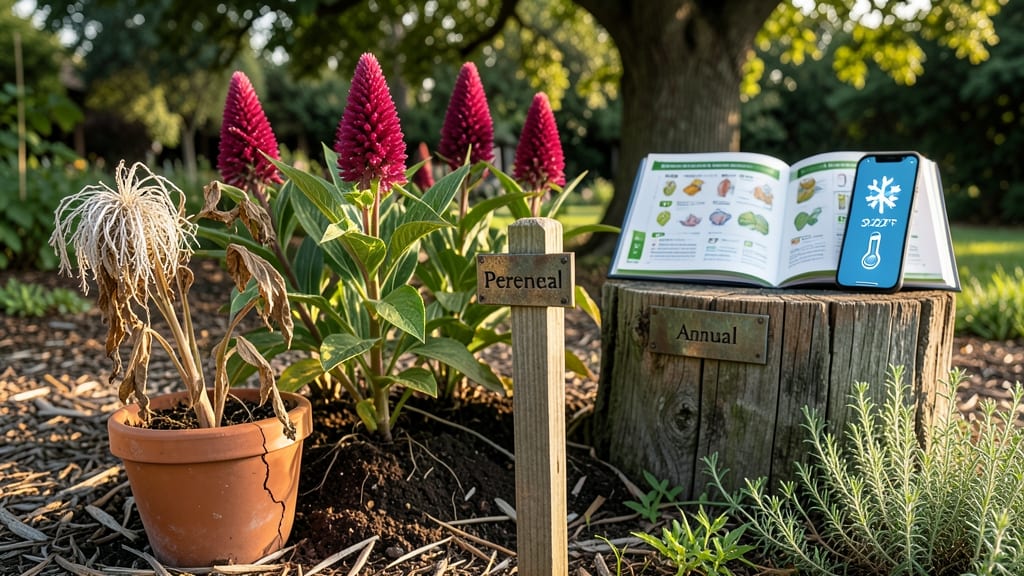
Celosia isn't a true perennial in most regions, but it can act like one in warmer climates. In USDA zones 10-11, it often returns yearly with proper winter care, while cooler areas treat it as an annual for seasonal blooms.
Celosia's behavior depends entirely on where you live. 🌱 Native to tropical regions, this plant simply can't handle freezing temperatures—its tender stems and leaves freeze solid below 20°F. That's why gardeners in zones 1-9 plant new seeds each spring.
However, in mild winter zones, its deep roots sometimes survive, letting it regrow from the base when warm weather returns.
The key to extending its life in colder areas is protecting it from frost. I've seen gardeners wrap containers in bubble wrap or move potted celosia indoors during winter, then replant in spring.
Some varieties, like Celosia argentea, are slightly more cold-resistant, but even they need shelter to survive freezing nights.
💡 In This Article
- Why Celosia Dies Back in Cold Climates
- Extending Celosia’s Lifespan in Cold Regions
Why celosia dies back in cold climates
Celosia's tropical origins explain why it struggles in cold climates. Native to regions like Africa and Asia where temperatures rarely drop below 50°F, its delicate foliage and stems contain little natural frost resistance.
When temperatures fall to 28°F or lower, the plant's cellular structure freezes, causing irreversible damage to leaves and stems. This is why gardeners in zones 1-9 treat celosia as an annual—it simply can't survive winter's chill.
The plant's root system plays a crucial role in its survival. While celosia develops a moderately deep taproot (typically 6-12 inches), it lacks the extensive storage roots found in true perennials like peonies. These storage roots store nutrients and energy to regenerate after winter dormancy.
Celosia's roots, while robust enough for summer growth, don't contain sufficient reserves to sustain the plant through freezing temperatures or prolonged cold snaps.
Temperature thresholds determine whether celosia behaves as a perennial. In USDA zones 10-11, where winter lows rarely drop below 30°F, celosia can survive winter with minimal protection. The plant enters a semi-dormant state, with its root system remaining active just below ground level.
This allows it to regrow foliage and flower spikes when temperatures rise again in spring. The key difference is that these zones experience mild winters without prolonged freezing periods.
Even in favorable zones, celosia's growth cycle is sensitive to temperature fluctuations. Studies show that consistent temperatures below 40°F for more than 2-3 weeks will kill back established plants, regardless of their hardiness zone.
This is why gardeners in zone 10 must still provide some winter protection—sudden cold snaps can still damage exposed foliage and stems, even if the roots survive.
Consider the contrast between celosia and true perennials like hostas or daylilies. These plants have evolved specialized structures like rhizomes or tubers that store carbohydrates and water, allowing them to regenerate after winter.
Celosia lacks these adaptations, making it dependent on consistent warmth to maintain its growth cycle. The plant's vibrant foliage and flower spikes are essentially seasonal displays that require warm temperatures to develop fully.
For gardeners in marginal zones (8-9), the decision to overwinter celosia depends on several factors. Microclimates near buildings or under tree canopies can provide 5-10°F of additional warmth, potentially allowing celosia to survive winters that would otherwise be lethal.
However, these protected areas must also provide adequate drainage—the plant's roots are sensitive to waterlogged soil, which can cause rot even if temperatures remain above freezing.