
Flowers
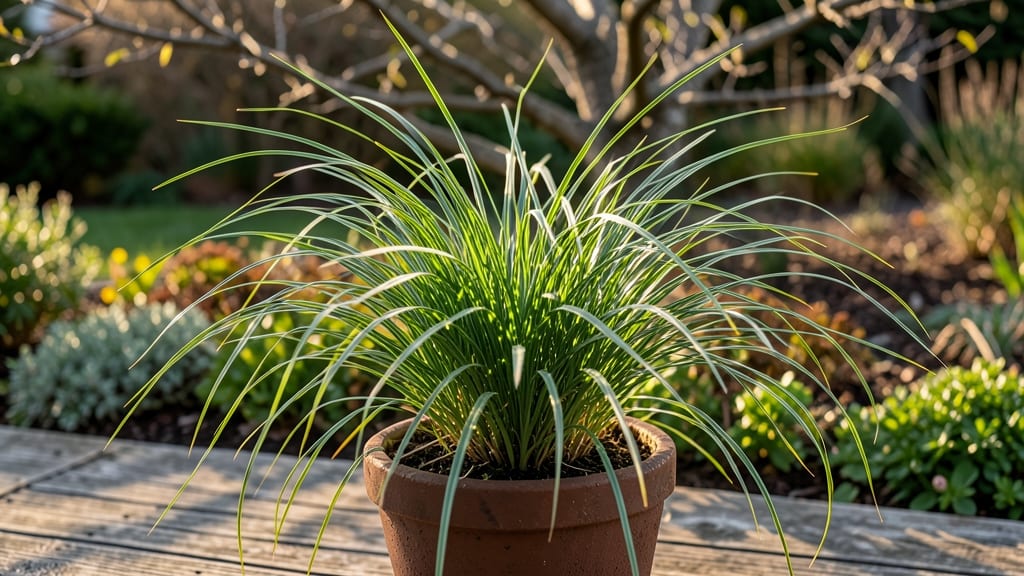
Citronella acts as a perennial only in USDA Zones 9-11, where it thrives year-round, but in colder climates it dies back annually unless protected or replanted each spring.
This tropical plant's hardiness zone range explains why it behaves differently in various climates. 🌱 In warmer regions, citronella's deep root system allows it to regrow from the same base each season, making it a true perennial.
However, when temperatures drop below 20°F, the above-ground growth freezes and turns brown, though the roots may survive in milder winters. Many gardeners in cooler zones treat it as an annual, replanting fresh starts each spring for the best results.
For those in colder climates, the good news is that citronella can often be coaxed through winter with proper protection. Using thick mulch or growing it in containers that can be moved indoors helps preserve the plant's vitality for the next growing season.
💡 In This Article
- Citronella Plant Hardiness and Cold Tolerance Limits
- Growing Citronella in Cold Climates: Seasonal Care Tips
Citronella plant hardiness and cold tolerance limits
Citronella's perennial status depends entirely on temperature exposure. This tropical plant thrives in USDA Zones 9-11 where winter temperatures rarely drop below 20°F, allowing its deep, fibrous root system to survive year-round.
In these zones, citronella grows as a true perennial, sending up fresh growth each spring from the same root base. The plant's natural hardiness comes from its ability to store energy in its roots during the dormant season, similar to how ginger or turmeric plants behave in warm climates.
When temperatures fall below 20°F, the above-ground growth freezes and becomes crispy brown, but the roots may still survive in milder winters (around 15°F). This explains why you'll often see gardeners in Zones 8 and below treating it as an annual.
The plant's frost sensitivity stems from its tropical origins—its leaves contain high levels of essential oils that become volatile in cold weather, making the plant particularly vulnerable to freezing damage. 🌡️ In Zone 8, for example, even a single hard frost can kill back the entire plant, though the roots might regenerate if conditions warm up.
The key difference between true perennials and citronella's behavior lies in its growth cycle. While plants like lavender or rosemary can handle freezing temperatures and regrow from their crowns, citronella's growth point is more sensitive.
Its leaves contain high concentrations of citronellal and geraniol oils (up to 0.5-1.5% of its fresh weight), which actually increase its susceptibility to cold damage by disrupting cellular membranes. This is why you'll rarely see established citronella plants surviving winters in Zones 7 and colder without protection.
What makes this particularly interesting is how citronella's growth habit changes with temperature. In ideal conditions (Zones 9-11), it grows as a bushy shrub reaching 3-6 feet tall, while in cooler zones, even with protection, it typically stays shorter (2-3 feet) and more compact.
The plant's flowering behavior also shifts—warmer zones see continuous blooming, while cooler regions may only get sporadic flowers unless given extended summer warmth.
This temperature-dependent growth explains why many commercial citronella growers in Florida and Hawaii can harvest oil continuously, while northern growers must focus on maximizing leaf production during the growing season.
For those curious about the science, citronella's cold sensitivity involves a process called "cold acclimation failure." Unlike cold-hardy perennials that can trigger protective mechanisms like antifreeze proteins, citronella lacks these adaptations.
Its cells contain high concentrations of volatile oils that actually lower the freezing point of water in its tissues, but this protective mechanism only works within a narrow temperature range.
When temperatures drop below 25°F for extended periods, these oils crystallize within the cell walls, causing irreversible damage to the plant's structure. 🧊 This explains why even a well-established citronella plant in Zone 8 might die back completely after just one severe winter.