
Flowers
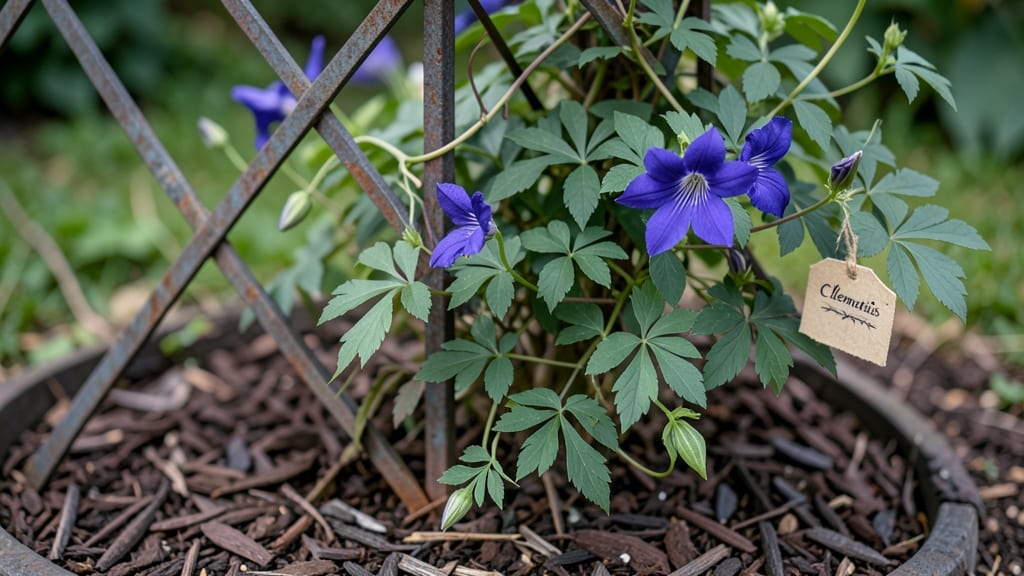
Yes, clematis is a perennial vine that reliably returns each spring after winter dieback, though its cold tolerance varies widely by variety—some hardy types endure freezing temperatures while others need winter protection to survive.
Clematis thrives as a perennial because its root system stays dormant during winter but revives when temperatures rise. 🌱 Unlike annuals that die completely, clematis vines regrow from the ground up each spring, often producing even more vigorous blooms than the previous year.
The key difference lies in their hardiness zones—some varieties handle Zone 3 winters while others struggle below Zone 7 without extra care.
What makes this growth pattern unique is how clematis stores energy in its roots during summer growth, fueling its spring comeback. This adaptability is why gardeners love them—they offer year-after-year beauty with minimal effort, especially when you choose varieties suited to your climate.
For example, Clematis montana thrives in colder regions while Clematis viticella needs winter mulch in northern gardens. The secret to their longevity? Proper pruning and seasonal care tailored to each variety's needs.
💡 In This Article
- Why Clematis Dies Back in Winter (And How It Recovers)
- Best Clematis Varieties for Cold Climates and Year-Round Care
Why clematis dies back in winter (and how it recovers)
Clematis enters winter dormancy through a process called cold acclimation, where its above-ground stems die back when temperatures drop below 20°F (-7°C). This isn't a sign of failure—it's a survival mechanism.
Unlike annuals that complete their entire life cycle in one season, clematis stores energy in its thick, woody roots during summer growth, which becomes the fuel for spring regrowth. The roots can remain viable for years, even after the stems have blackened and fallen away.
The root system contains specialized cells called meristems, which are protected by layers of bark and insulating soil. These meristems can detect temperature shifts as early as late winter, triggering the production of new shoots when soil temperatures reach 50°F (10°C).
This explains why you'll often see fresh green growth emerging from the base of the plant even when snow still blankets the ground. 🌱
What sets clematis apart from true perennials like hostas or peonies is its deciduous vine habit. While these other perennials keep their foliage year-round (or regrow from underground tubers), clematis sheds all its stems annually.
This adaptation allows it to conserve energy in colder climates, but it also means the plant relies entirely on its root system to carry it through winter. Without proper care, the roots can weaken or even rot if exposed to freezing ground.
The timing of this dieback is crucial for gardeners. Most clematis varieties begin their dormancy cycle in late fall to early winter, but some early-blooming types may start as soon as October.
The key difference between annuals and clematis is that annuals die completely—roots and all—while clematis roots remain dormant but alive, ready to burst forth with new growth when conditions improve.
This is why you'll often see clematis vines producing even more vigorous blooms in their second or third year than they did initially.
Consider this comparison: Annuals like marigolds complete their entire lifecycle in one season, while perennials like daylilies regrow from underground rhizomes. Clematis falls into a unique category—it's a woody perennial vine that combines the hardiness of perennials with the seasonal dieback of deciduous shrubs.
The root system's ability to store starches and nutrients over winter is what makes this possible, allowing the plant to "reset" each year while still maintaining its structural integrity underground.
For gardeners in colder climates, understanding this process is essential. If you prune a clematis too late in the season, you risk removing next year's blooms before they've formed. Conversely, if you prune too early, the plant may not have enough time to harden off before winter.
The sweet spot is typically late winter to early spring, just as new shoots begin to emerge but before they've broken through the soil.