
Flowers
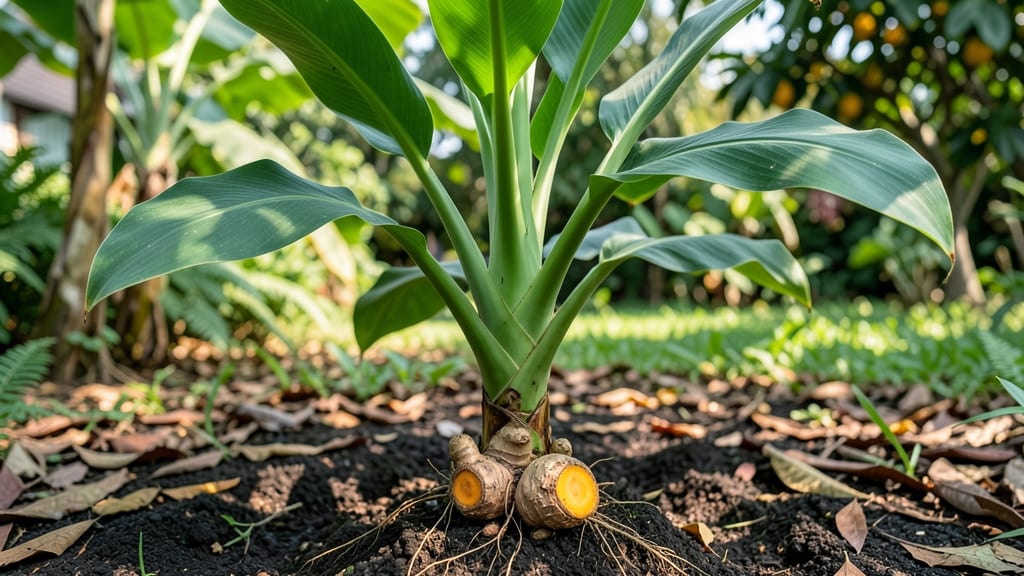
Curcuma ginger is a perennial plant that thrives year-round through its hardy underground rhizomes, which store energy and regenerate foliage each season after above-ground parts naturally die back during dormancy.
This perennial behavior sets curcuma ginger apart from annuals—its thick, knobby rhizomes act like natural storage units, packed with starches that fuel regrowth when conditions improve. 🌱 Unlike delicate annuals that must be replanted, curcuma ginger's dormant phase is strategic: the rhizomes remain viable underground even when temperatures drop or foliage yellows.
The key to success lies in protecting these rhizomes during winter with proper mulching and moisture control, which prevents them from drying out or freezing.
What's fascinating is how the plant times its regrowth—typically in spring—when soil temperatures reach 60°F and moisture becomes available. This biological clock ensures the plant emerges just as growing conditions become optimal, giving it a head start over slower annuals.
The trade-off? You'll need to be patient during its dormant phase, as the above-ground stems may look dead while the rhizomes remain very much alive below.
💡 In This Article
- How Curcuma Ginger’s Rhizomes Enable Perennial Growth
- Year-Round Care Tips for Maintaining Curcuma Ginger
How curcuma ginger’s rhizomes enable perennial growth
The secret behind curcuma ginger's perennial nature lies in its specialized underground rhizomes—thick, corm-like structures that function like nature's own energy banks. These rhizomes store carbohydrates, proteins, and water, allowing the plant to survive harsh conditions while remaining dormant above ground.
Think of them as the plant's survival kit: when temperatures drop below 50°F or daylight shortens, the foliage wilts and dies back, but the rhizomes stay alive, maintaining metabolic activity at a minimal level.
What makes these rhizomes so remarkable is their ability to regenerate entire plants from just a small piece. Each segment contains dormant buds that can sprout new shoots when conditions improve.
For example, a 2-inch rhizome section with at least one bud can produce a full plant within 8-12 weeks under optimal conditions. This regenerative capacity is why curcuma ginger spreads so effectively—even if you accidentally damage the plant, the rhizomes often compensate by producing multiple shoots the following season.
The regrowth process begins when soil temperatures rise above 60°F and moisture becomes available. The rhizomes detect these environmental cues through specialized cells that monitor temperature and humidity levels. Once triggered, they rapidly convert stored starches into sugars that fuel new root and shoot growth.
This biological mechanism explains why curcuma ginger often emerges before many other perennials—it's essentially waking up from a carefully timed hibernation that conserves energy during unfavorable months.
There's a fascinating chemical process at work here too. The rhizomes produce growth hormones like gibberellins that break dormancy when conditions are right. These hormones signal the buds to activate, while the stored starches provide the immediate energy needed for early growth.
Unlike annuals that must rely on seeds, curcuma ginger's rhizomes offer a built-in advantage: they're already established underground, ready to capitalize on the first warm, moist conditions of spring.
One common misconception is that a plant with no visible foliage is dead. In curcuma ginger's case, the above-ground dieback is actually a survival strategy—it reduces water loss and protects the plant's energy reserves.
The rhizomes can remain viable for 1-2 years in optimal conditions, though they'll eventually weaken without proper care. This is why gardeners often see curcuma ginger "come back to life" after seemingly disappearing entirely during winter.
The plant's dormancy period isn't passive—it's an active state where the rhizomes maintain just enough cellular activity to stay alive. Some studies show that rhizomes can maintain 10-15% of their normal metabolic rate during dormancy, which is enough to sustain them through cold snaps or dry periods.
This metabolic efficiency is what allows curcuma ginger to thrive in regions with distinct seasonal changes, from tropical climates to temperate zones with mild winters.
For gardeners, understanding this process means you can work with the plant's natural rhythms rather than against them. The key is protecting those rhizomes during their dormant phase—whether through mulching, proper soil preparation, or strategic watering.
When you see those first green shoots emerge in spring, you're witnessing the culmination of this remarkable underground survival strategy at work. 🌱