
Planting
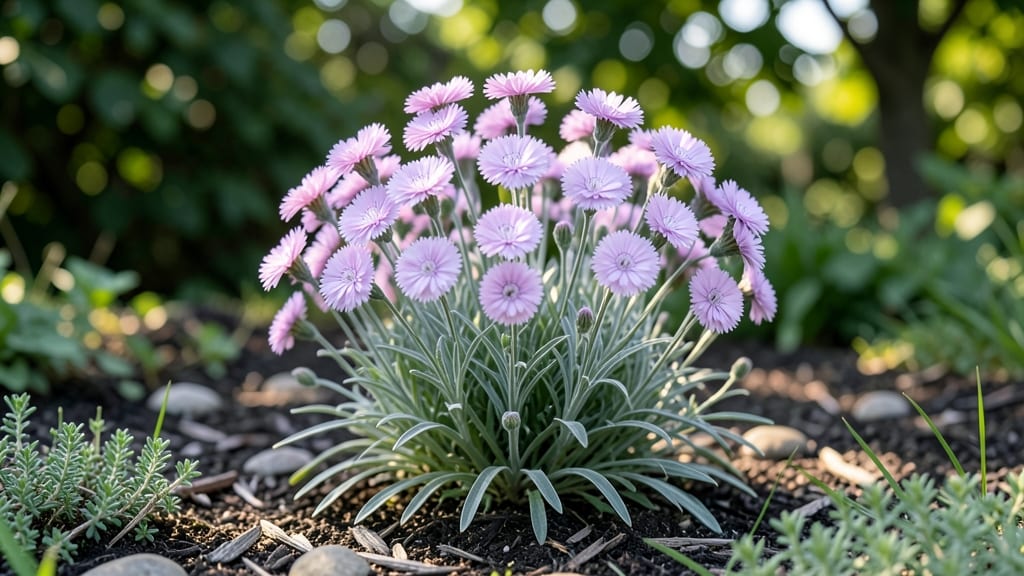
Dianthus is a perennial plant in many varieties, thriving for multiple years in ideal conditions, though some types behave as short-lived perennials or even annuals depending on climate and care. Most cold-hardy species return yearly with proper winter protection.
Most gardeners treat dianthus as a perennial, but its true lifespan depends heavily on the specific variety and growing conditions. 🌱 For example, Dianthus barbatus (sweet william) often behaves as a biennial in cooler climates, while Dianthus chinensis can reliably return for 3-5 years with consistent care.
The key to extending their perennial life lies in proper winter protection—mulching heavily in zones below 6 and avoiding overwatering during dormancy prevents root rot that shortens their lifespan.
What sets dianthus apart is its adaptability: some tropical varieties may only last one season in colder regions, while hardy types like Dianthus gratianopolitanus thrive for decades with minimal intervention.
The trick is matching the right species to your climate zone and giving them well-draining soil—their roots hate soggy conditions, which is the #1 reason they fail to return year after year.
💡 In This Article
- Dianthus Perennial Lifespan by Variety and Climate
- Tips to Extend Dianthus Perennial Growth in Gardens
Dianthus perennial lifespan by variety and climate
The dianthus genus contains both true perennials and varieties that behave like annuals or biennials, depending on their native habitat and growing conditions. Dianthus barbatus (sweet william) is a classic example—it often acts as a biennial in cooler climates (USDA zones 3-7), producing its signature clusters of fragrant blooms in the second year before declining.
Meanwhile, Dianthus chinensis (Chinese pinks) typically thrives as a short-lived perennial, lasting 3-5 years when given proper care, though it may self-seed prolifically to extend its presence.
Cold hardiness plays a critical role in determining whether dianthus will return year after year. Dianthus gratianopolitanus (carnation) is one of the hardiest, surviving winters in zones 3-9 with minimal protection, while tropical varieties like Dianthus caryophyllus (garden carnation) rarely persist beyond a single season in colder regions.
The key difference lies in their dormancy strategies: hardy species enter a deep but reversible dormancy during winter, while tender varieties lack this adaptation and require year-round warmth to survive.
Seasonal dormancy patterns further complicate the perennial status of dianthus. Most hardy varieties experience a 6-8 week dormancy period in winter, during which they shed foliage and conserve energy in their roots. This process is essential for their longevity—without it, the plant's resources become depleted, leading to premature decline.
In contrast, annual varieties like Dianthus superbus complete their entire lifecycle in one growing season, focusing energy on rapid reproduction rather than long-term survival.
Soil conditions dramatically influence these patterns. Dianthus roots are particularly sensitive to waterlogged soil, which can cause root rot and shorten their lifespan by 30-50% in just one season. The ideal growing medium is well-draining, sandy loam with a pH between 6.0-7.5.
In heavy clay soils, adding 20-30% perlite or coarse sand can prevent the conditions that turn a perennial dianthus into a short-lived annual.
Consider these key factors when selecting varieties for your garden:
- Climate zone: Zones 3-5 favor hardy types like Dianthus deltoides; zones 8-10 require tender varieties with winter protection
- Bloom cycle: Biennials need 2 growing seasons to reach maturity; perennials bloom annually with proper care
- Water needs: All varieties require well-draining soil—never let them sit in moisture for more than 24 hours
The most reliable perennial dianthus varieties for gardeners in temperate climates are those with deep root systems and natural disease resistance, such as Dianthus armeria (dewflower) and Dianthus plumarius (cushion pinks). These species have evolved to handle seasonal fluctuations and often outlive their counterparts by decades with minimal intervention.
What most gardeners don't realize is that even perennial dianthus varieties can revert to annual behavior if stressed—whether by poor drainage, excessive fertilizer, or lack of winter mulch.
The secret to their longevity lies in mimicking their natural growing conditions as closely as possible, particularly during their critical dormancy period.