
Plants
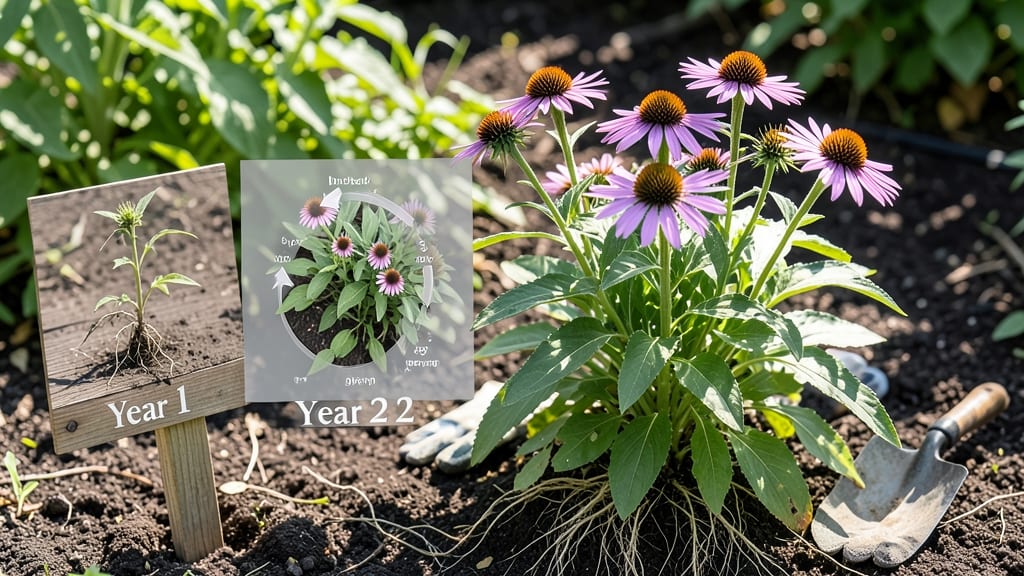
Yes, perennials come back year after year by storing energy in underground roots, rhizomes, or tubers, then regrowing from those reserves when conditions improve—though some may appear dormant or die back seasonally. Proper care ensures their longevity beyond just one growing season.
Perennials thrive because they've evolved to store nutrients underground during harsh seasons, like bulbs storing energy for spring blooms or deep roots accessing water during droughts. 🌱 Unlike annuals that complete their life cycle in one season, perennials enter a dormant phase—sometimes looking dead—before rebounding with new growth.
Think of peonies or hostas: their "death" in winter is just a survival strategy, not failure.
This resilience depends on three key factors: healthy soil, proper watering, and strategic pruning. Over-trimming or poor drainage can starve those underground reserves, while rich compost and mulch protect roots from temperature swings. Even "dead" stems often hide next year's buds—cutting them too early removes future flowers.
💡 In This Article
- How Perennial Plants Survive Through Dieback Cycles
- Caring for Perennials to Ensure Yearly Returns
How perennial plants survive through dieback cycles
The secret to perennials returning year after year lies in their underground energy banks—roots, rhizomes, and tubers that act like nature's rechargeable batteries. These storage organs contain starches, sugars, and nutrients built up during the growing season, which fuel regrowth when conditions improve.
For example, peony roots store enough energy to produce lush foliage and blooms within 4-6 weeks of spring thaw, even after appearing completely dormant in winter.
Two root systems dominate perennial survival strategies: taproots (like those of black cohosh) and fibrous roots (found in hostas). Taproots grow deep—sometimes 3-5 feet—to access moisture and minerals, while fibrous roots spread wide to stabilize the plant and capture nutrients.
The fibrous system is particularly effective at storing energy in dense clusters of small roots, which can regenerate entire plants from just a 2-inch piece left in the soil. 🌱 This explains why hostas often bounce back even after severe winter dieback.
Seasonal dormancy is triggered by environmental cues like cooler temperatures and shorter daylight hours. When nighttime temperatures drop below 50°F for several weeks, perennials enter a metabolic slowdown, halting growth but maintaining just enough cellular activity to survive.
This dormancy isn't true death—it's a carefully regulated shutdown where energy reserves are protected from freezing temperatures. Some perennials, like daylilies, even harden their rhizomes with protective layers that resemble bark, creating a natural insulation system.
Moisture levels play a critical role in this cycle. During dormancy, perennials need moderate moisture (about 1-2 inches of water every 4-6 weeks) to prevent root desiccation, but not enough to encourage new growth.
Overwatering in winter can actually suffocate roots by displacing oxygen in the soil. Conversely, drought-stressed perennials may struggle to regenerate because their energy reserves are depleted trying to maintain basic functions during dry spells.
What most gardeners don't realize is that the timing of regrowth is species-specific. Early bloomers like crocuses emerge when soil temperatures reach 40-45°F, while later perennials like coneflowers wait until 55-60°F. This staggered emergence strategy helps perennials take advantage of different microclimates in the garden.
The key visual cue for gardeners is the appearance of new growth at the base of stems—often just a tiny shoot pushing through the soil—before the above-ground foliage fully returns.
Consider the case of asparagus: its crown (a specialized rhizome) can live for 20-30 years because it continuously builds up energy reserves. Each year, the plant allocates about 30-40% of its stored nutrients to new growth while maintaining the old crown.
This makes asparagus one of the most resilient perennials, capable of surviving even when 90% of its shoots are harvested annually. 💫