
Flowers
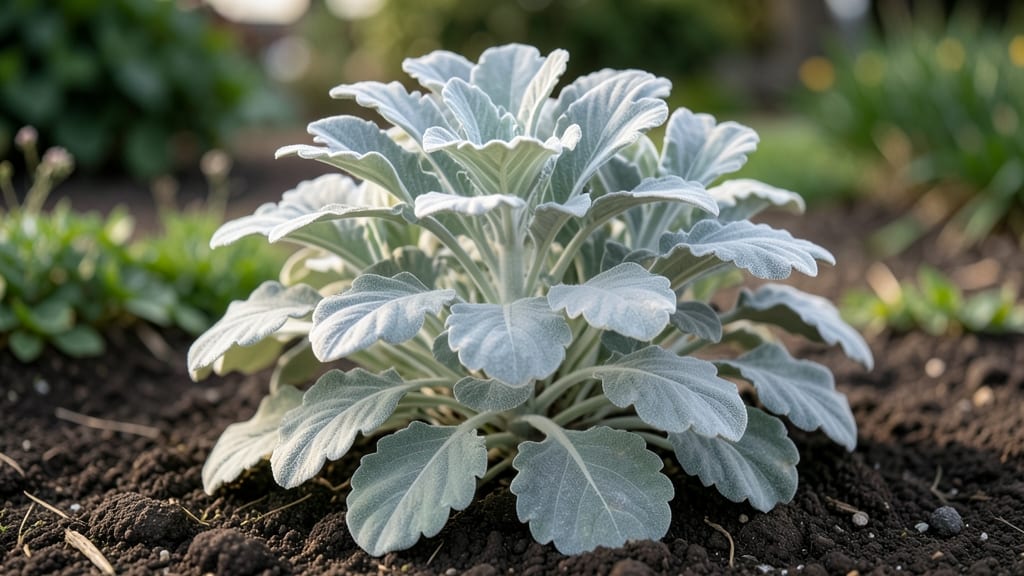
Dusty Miller behaves as a perennial in mild climates but is typically grown as an annual in colder regions, since frost kills its foliage and roots struggle to regenerate without protection. Proper winter care can coax regrowth in chilly zones.
This gray-green foliage plant thrives in zones 7-11 as a true perennial, but its sensitivity to frost makes it act like an annual in colder areas. 🌿 The key difference lies in its root system—while roots may survive light frosts, the above-ground growth always dies back completely.
What many gardeners don't realize is that Dusty Miller's dormancy period can last months, with regrowth often delayed until warm soil temperatures return in spring.
In colder climates, the plant's survival depends on protecting both roots and crowns. A thick layer of mulch (at least 3-4 inches) acts like a blanket, while container-grown plants can be moved to unheated garages.
The good news? With proper winter protection, you can enjoy Dusty Miller's silvery foliage year after year, even in zones 5-6.
💡 In This Article
- Why Dusty Miller Dies Back in Winter
- How to Overwinter Dusty Miller for Next Year’s Growth
Why Dusty Miller dies back in winter
Dusty Miller's winter dieback stems from its origins as a tender perennial native to Mediterranean climates where temperatures rarely dip below freezing. The plant's foliage contains high levels of moisture (around 80-85% when healthy), which makes it particularly vulnerable to frost damage.
When temperatures drop below 28°F, the cell membranes rupture, causing the leaves to turn brown and crisp within hours. This rapid browning is your first visual clue that the plant has entered dormancy mode.
The roots tell a different story. While the above-ground growth always dies back completely, the root system in zone 7 and warmer can survive light frosts down to 15-20°F when properly protected.
What's fascinating is how Dusty Miller's roots enter a state of dormancy similar to bulbs—storing energy in their fibrous root structure until spring warmth triggers regrowth. In colder zones, however, even the roots may struggle if exposed to prolonged freezing without insulation.
Here's what's actually happening at the cellular level: Frost causes ice crystals to form in the plant's vascular system, disrupting water transport. The plant responds by shutting down metabolic processes to conserve energy, which is why you'll notice new growth often doesn't appear until soil temperatures reach 55-60°F in spring.
This delayed response explains why many gardeners mistakenly believe Dusty Miller has died completely when it's actually just in deep dormancy.
What most people don't realize is that Dusty Miller's classification as a "tender perennial" comes from its ability to regrow from the same root system when conditions improve.
Unlike true annuals that complete their lifecycle in one season, Dusty Miller has the genetic potential to persist for multiple years—it's just that cold winters often prevent this from happening naturally.
The plant's silvery foliage contains fine hairs that help reflect sunlight, but this same adaptation makes it less cold-tolerant than darker-leaved perennials.
Consider these key factors when assessing your climate zone:
- Zone 7+: Roots typically survive winter with minimal protection, and regrowth is reliable
- Zone 6: Roots may survive with 4+ inches of mulch, but top growth often needs protection
- Zone 5 or colder: Even roots may die without special overwintering measures
The science behind this involves something called "cold acclimation." Like many Mediterranean plants, Dusty Miller can develop some cold tolerance when gradually exposed to cooler temperatures in fall. However, this process requires at least 4-6 weeks of cooling to be effective—something that doesn't happen in sudden freezes.
This is why gardeners in marginal zones often see better survival rates when they plant Dusty Miller in containers that can be moved to protected locations.