
Flowers
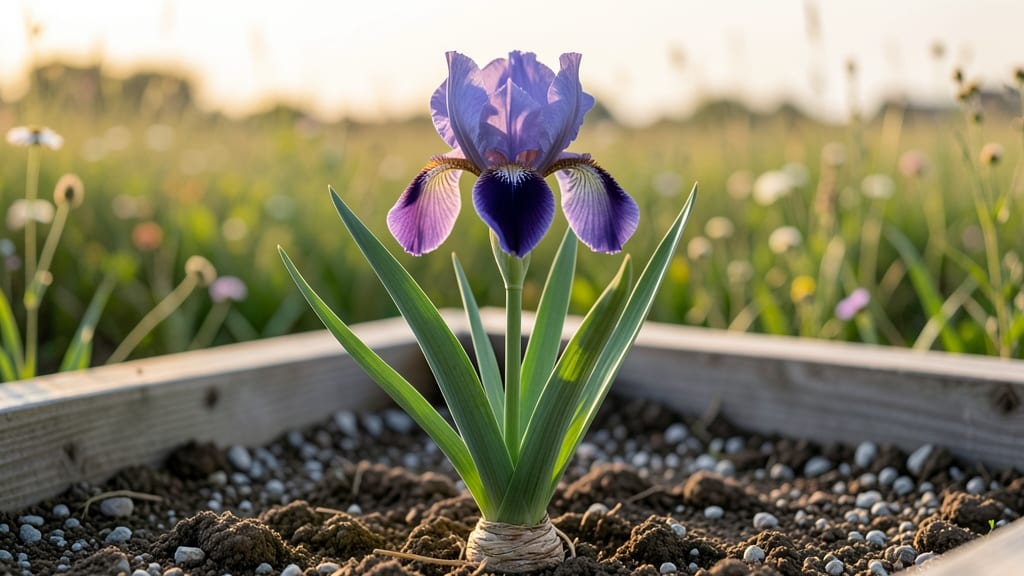
Yes, iris is a perennial—it lives for multiple seasons, returning each year with fresh foliage and vibrant blooms once its sturdy rhizomes or bulbs establish in well-drained soil.
This hardy plant's perennial nature comes from its underground storage systems, which store nutrients during dormancy periods. 🌱 Unlike annuals that die after one season, iris plants regrow from the same root system year after year, making them a gardener's favorite for long-term color.
The key to their longevity lies in proper soil drainage and sunlight exposure, which prevent rot and encourage strong growth cycles.
What sets iris apart is its ability to adapt to different climates—some varieties thrive in cold northern gardens while others prefer milder southern regions. This adaptability means once established, iris can become a nearly maintenance-free addition to your landscape, blooming reliably for decades with minimal care.
💡 In This Article
- How Perennial Iris Rhizomes Sustain Growth Over Years
- Caring for Perennial Iris: Planting and Maintenance Tips
How perennial iris rhizomes sustain growth over years
Iris plants rely on specialized underground structures called rhizomes to sustain their perennial growth. These thick, horizontal roots store carbohydrates, water, and nutrients during dormancy periods, allowing the plant to regenerate each spring.
The rhizome's segmented structure contains nodes where new shoots emerge, while the older segments decompose, releasing nutrients back into the soil. This self-sustaining system ensures iris can survive harsh winters and dry spells, unlike annuals that must regrow from seed each year.
The biological mechanism involves seasonal dormancy cycles. In late summer or fall, iris foliage yellows and dies back as the rhizome enters a resting phase. During this 3-4 month dormancy, the rhizome's starch reserves fuel root growth, preparing for next year's bloom.
Hardy iris varieties, like Siberian iris, can tolerate -30°F temperatures, while tender types, such as Louisiana iris, need winter mulch to survive 20°F or warmer climates. The rhizome's thickness—typically 1-2 inches wide—also acts as insulation against temperature fluctuations.
What makes iris uniquely resilient is its ability to reproduce vegetatively through rhizome division. Each segment can grow into an independent plant, creating dense clumps over time. This natural propagation ensures genetic consistency while allowing the garden to expand without replanting.
The rhizome's position just below the soil surface (about 1 inch deep) maximizes sunlight exposure for photosynthesis while protecting against frost heave—a common issue with deeper-rooted perennials.
Climate adaptability varies by species. Northern-hardy varieties like bearded iris thrive in USDA zones 3-9, while Mediterranean types prefer zones 7-10. The rhizome's growth rate also differs: bearded iris spreads 6-12 inches yearly, while Japanese iris grows more slowly (3-6 inches).
This variability explains why some iris plants bloom earlier in warmer regions while others wait until late spring in cooler climates.
One fascinating adaptation is the rhizome's ability to "age" strategically. Older segments (beyond 3-4 years) become woody and less productive, which is why gardeners divide clumps every 3-5 years.
This practice prevents overcrowding and rejuvenates blooms by removing spent rhizome sections. The plant's natural lifecycle mirrors this strategy—young rhizomes focus on root development, while mature ones prioritize flowering.
For gardeners, understanding this biology translates to practical care. Planting rhizomes at the correct depth (1 inch below soil) ensures proper emergence, while well-drained soil prevents rot. The rhizome's horizontal growth pattern also means spacing plants 12-24 inches apart allows room for expansion without competition.
This structural intelligence is why iris remains a garden staple for centuries.