
Planting
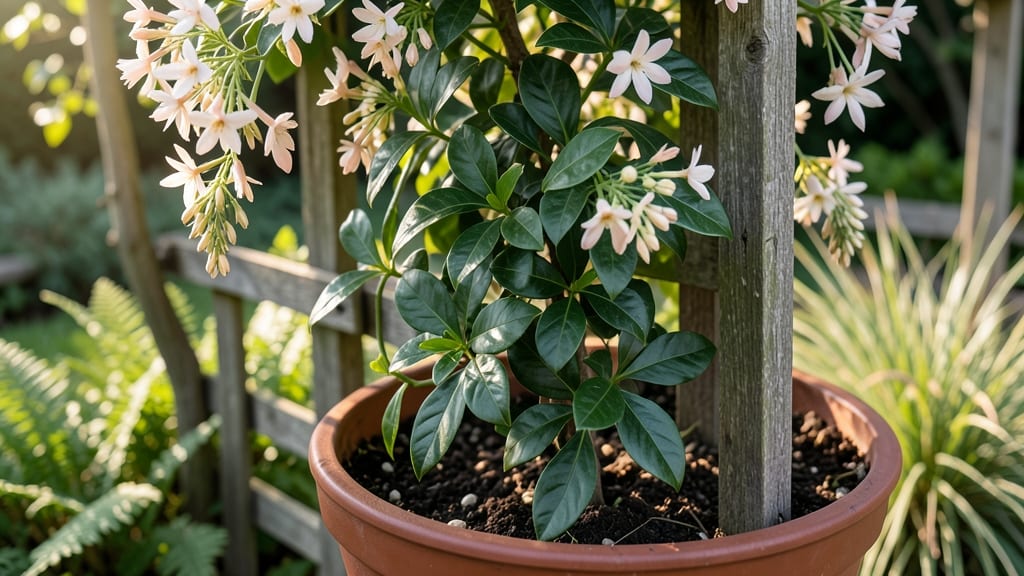
Jasmine is a perennial plant that thrives in U.S. Department of Agriculture hardiness zones 7-10, where it regrows from its root system each spring after dying back in winter. In colder climates, it may behave as an annual or require winter protection.
Jasmine's perennial nature means it survives year after year from the same root system, making it a low-maintenance choice for gardeners in warmer climates. 🌱 Unlike annuals that complete their life cycle in one season, jasmine plants enter a dormant phase during winter—losing leaves but keeping their roots alive.
This hardiness varies by species, with some like Jasminum officinale enduring colder snaps better than tropical varieties. The key to its survival lies in those underground roots, which store energy to fuel a fresh flush of growth when temperatures rise.
What sets jasmine apart from other perennials is its dramatic seasonal transformation. While some plants simply go dormant, jasmine often sheds all its foliage in winter, creating a false impression of death. This complete dieback can be alarming for new gardeners, but it's actually a natural survival mechanism.
The roots remain active beneath the soil, ready to burst back to life with the first warm days of spring.
💡 In This Article
- Jasmine’s Perennial Growth Cycle Explained
- How to Overwinter Jasmine in Cold Climates
Jasmine’s perennial growth cycle explained
The perennial nature of jasmine stems from its deep, woody root system that stores carbohydrates during active growth. These roots can survive temperatures down to 10°F for hardy species like Jasminum officinale (common jasmine), while tropical varieties like Jasminum sambac (Arabian jasmine) typically need protection below 30°F.
The root system acts like a biological battery, converting sunlight into stored energy throughout the growing season to fuel regrowth when temperatures rise.
Jasmine’s dormancy cycle begins in fall when cooler temperatures trigger leaf drop. Unlike some perennials that maintain evergreen foliage, jasmine often becomes completely leafless—a process called deciduous dormancy. This isn't true death but a survival strategy where the plant conserves energy by shedding leaves while keeping roots alive.
The timing varies by species: northern climates see this transition by late October, while southern regions may wait until December. 🌿 What's fascinating is how the roots continue slow metabolic activity even beneath frozen ground, ready to sprout new shoots when soil temperatures reach 50°F.
Cold tolerance varies dramatically between species. Jasminum nudiflorum (winter jasmine) can handle -20°F temperatures, making it exceptional for zone 5 gardens, while Jasminum grandiflorum (Spanish jasmine) tops out at 20°F.
This difference explains why some gardeners in zone 6 might lose their tropical jasmine plants while their hardy varieties thrive. The key distinction lies in the root structure: hardy jasmines develop thicker, more insulated root systems that resemble small trees underground, while tropical varieties have finer, more delicate roots.
What most gardeners don't realize is that jasmine's winter dieback serves a crucial purpose beyond survival. This annual leaf loss actually rejuvenates the plant by eliminating old growth that might harbor pests or diseases. The fresh spring growth emerges healthier and more vigorous.
This cycle creates a natural pruning effect—similar to how some fruit trees benefit from winter dormancy—resulting in more abundant flowering the following season. The scent you associate with jasmine comes from these new growth flushes, which typically begin in late April to early May depending on your climate zone.
Jasmine's growth pattern also differs from true annuals in how it allocates resources. While annuals focus all their energy on producing flowers, seeds, and then dying, perennials like jasmine divide their energy between current season growth and future storage.
This is why you'll often see jasmine plants with both flowers and new leaves appearing simultaneously in spring—a visual reminder of their dual purpose. The plant's ability to flower while still building root reserves makes it uniquely resilient compared to many other flowering perennials.
Consider this comparison: a zone 8 garden might see Jasminum officinale completely defoliate in winter but regrow by March, while a zone 10 garden might experience only partial leaf drop with continuous growth.
This variability shows how jasmine adapts its dormancy strategy based on climate cues, making it one of the most adaptable flowering plants for gardeners in transitional zones. The key to successful jasmine cultivation lies in understanding these species-specific patterns and matching them to your local winter conditions. 💫