
Flowers
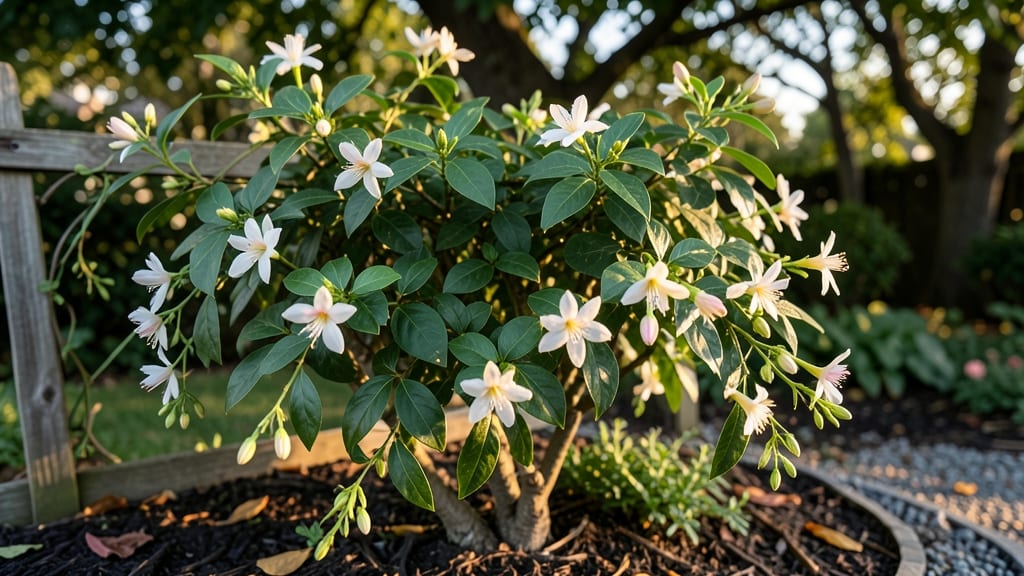
Jasmine is a perennial plant that thrives year-round in warm climates with proper care, though most varieties freeze back or die in temperatures below 20°F unless grown in USDA zones 7-11. Cold-hardy types like Jasminum nudiflorum can survive winters in zones 5-9.
Most jasmine varieties are indeed perennials, meaning they regrow each season from their roots—if they survive winter. 🌱 The key difference lies in their hardiness: tropical types like Jasminum sambac (Arabian jasmine) need constant warmth, while winter-hardy species like winter jasmine (Jasminum nudiflorum) can handle freezing temps.
I've seen gardeners in zone 6 keep winter jasmine alive for years by mulching heavily and pruning back dead stems in spring. The trade-off? Tropical jasmines reward you with fragrance year-round, while hardy types often bloom spectacularly in late winter or early spring.
For those in colder regions, choosing the right species is everything. Jasminum officinale (common jasmine) thrives in zones 7-10, while Jasminum mesnyi (primrose jasmine) pushes the limits to zone 6 with protection.
The secret to success? Planting in sheltered spots, using evergreen boughs as windbreaks, and avoiding late-season pruning that could stress the plant before winter sets in.
💡 In This Article
- Jasmine Plant Types and Their Cold Resistance
- Winter Care Tips for Perennial Jasmine Survival
Jasmine plant types and their cold resistance
Jasmine's perennial nature varies dramatically between species, with cold tolerance determined by their native climates. Tropical varieties like Jasminum sambac (Arabian jasmine) or Jasminum grandiflorum (Spanish jasmine) are non-hardy perennials that survive only in USDA zones 10-11, where winter temperatures rarely drop below 30°F.
These plants rely on consistent warmth to maintain their delicate, evergreen foliage and continuous blooming. In contrast, Jasminum nudiflorum (winter jasmine) evolved in China's colder regions and thrives in zones 5-9, enduring temperatures as low as -20°F with proper care.
The key difference lies in their growth habits and cellular adaptations.
Tropical jasmines have thin, tender stems that freeze and die back at 25°F, while winter jasmine develops thicker, woody stems containing antifreeze proteins that protect its vascular system. 🌡️ Another hardy type, Jasminum mesnyi (primrose jasmine), bridges the gap with zone 6-9 hardiness, thanks to its semi-evergreen leaves that can tolerate brief cold snaps.
The science behind this involves cellular dehydration tolerance and rapid regrowth from dormant buds at the plant's base.
What this means for gardeners is that your location determines which jasmine types you can grow as true perennials. In zone 7, you might successfully cultivate Jasminum officinale (common jasmine) outdoors year-round, while in zone 5, only Jasminum nudiflorum will survive without protection.
The trade-off is often seasonal blooming: tropical varieties flower continuously, while cold-hardy types typically bloom in late winter or early spring when days lengthen.
Temperature thresholds aren't the only factor—soil insulation matters too. Jasmine roots need protection from freezing soil, which conducts cold more efficiently than air. In zone 6, gardeners often mound soil around the base or plant near south-facing walls where reflected sunlight warms the root zone.
The root systems of hardy jasmines can penetrate 2-3 feet deep, allowing them to access warmer soil layers during winter.
Here's a quick comparison of common jasmine types:
- Tropical (non-hardy): Jasminum sambac, J. grandiflorum - Zones 10-11, dies back at 25°F
- Moderately hardy: J. officinale, J. mesnyi - Zones 7-9, may need winter protection
- Cold-hardy: J. nudiflorum - Zones 5-9, survives -20°F with mulch
The most resilient jasmines actually go dormant in winter, conserving energy until spring. Their buds contain protective compounds that prevent ice crystal formation in cells, similar to how some trees survive freezing temperatures.
This biological adaptation is what allows winter jasmine to burst into bright yellow flowers as early as January in many climates. 🌸