
Aphids
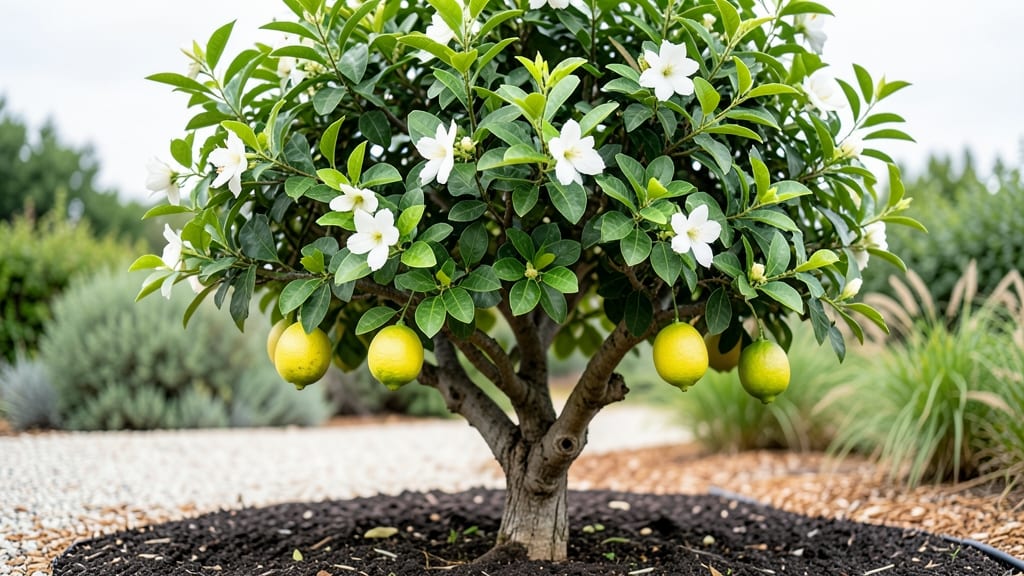
Lemon coral is not a true perennial—it acts like a tender perennial or seasonal plant in most regions, with foliage dying back completely when frost hits, though its roots often survive underground to regrow when conditions warm up.
Lemon coral's growth cycle is more like a short-lived shrub than a hardy perennial. 🌱 In colder zones, it typically shuts down entirely during winter, only to sprout fresh growth from the same root system when spring arrives.
This behavior explains why gardeners in frost-prone areas often treat it as an annual—it thrives for one season but requires protection to persist beyond winter. The key difference from true perennials is its sensitivity to temperatures below 20°F, which triggers dormancy or death of above-ground parts.
What makes lemon coral unique is its ability to regenerate from roots even after severe cold damage. This trait allows it to return year after year if you provide proper winter care, like heavy mulching or container growing.
The plant's origins in Mediterranean climates explain its delicate nature—it evolved in regions with mild winters rather than harsh freezes.
💡 In This Article
- Why Lemon Coral Dies in Cold Climates
- How to Overwinter Lemon Coral for Repeated Blooms
Why lemon coral dies in cold climates
Lemon coral's sensitivity to cold stems from its Mediterranean heritage, where winters rarely drop below 20°F. When exposed to prolonged temperatures below this threshold, the plant's above-ground growth freezes and dies back completely.
This is because its cells lack the antifreeze proteins found in hardy perennials like lavender or rosemary, which can survive -10°F or lower. The root system, however, often remains viable if protected by soil insulation.
The plant's dormancy mechanism kicks in when nighttime temperatures consistently fall below 35°F. At this point, lemon coral stops producing chlorophyll and enters a survival mode, conserving energy in its roots.
This explains why gardeners in USDA zones 8-11 can grow it as a perennial, while those in zones 7 and below typically treat it as annual. The difference comes down to how many frost-free days the plant experiences each year.
What's fascinating is how the root system survives winter. Studies show that lemon coral roots contain higher concentrations of soluble sugars and amino acids during dormancy, which act as natural antifreeze compounds.
These compounds lower the freezing point of water within root cells, preventing ice crystal formation that would rupture cell walls. This biological adaptation explains why lemon coral often regrows from roots even after severe winter dieback.
In regions with harsh winters, the lack of snow cover becomes a critical factor. Snow acts as an insulating blanket, protecting roots from extreme temperature fluctuations. Without it, soil temperatures can drop 10-15°F colder than air temperatures, which is why mulching becomes essential for winter survival.
The plant's native Mediterranean soils also contain high calcium content, which helps maintain cell membrane integrity during cold stress.
Consider this comparison: While hardy perennials like peonies can withstand -25°F winters, lemon coral's roots typically survive only when soil temperatures stay above 15°F. This explains why even in mild climates like Southern California (zone 9), gardeners must take precautions during unexpected cold snaps.
The plant's delicate nature makes it more akin to tropical plants than traditional perennials.
The visual difference between true perennials and lemon coral becomes apparent in spring. While perennials like hostas emerge with fully formed leaves, lemon coral often sends up new shoots from the base, sometimes taking 3-4 weeks longer to establish new growth.
This slower recovery is another clue to its tender nature.