
Lawn
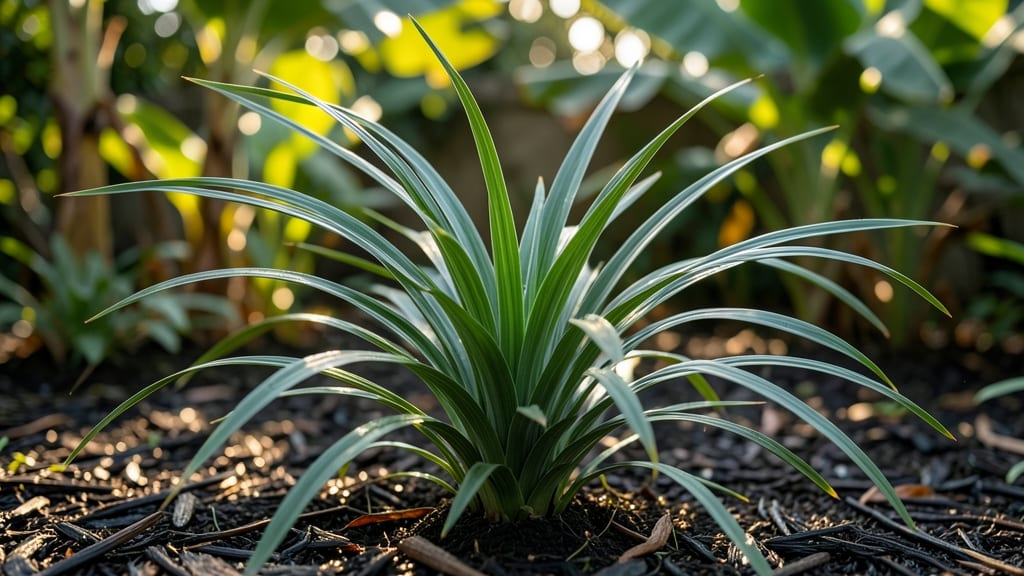
Whether lemon grass is a perennial or annual depends on your climate: it thrives as a perennial in warm zones where its rhizomes regrow yearly, but dies back completely in cold regions, acting like an annual.
This tropical plant's survival strategy hinges on its underground rhizome system, which stores energy to sprout new shoots when conditions improve. 🌱 In frost-free areas, lemon grass naturally renews itself season after season, while northern gardeners must treat it as an annual or dig up rhizomes indoors before winter.
The key difference lies in temperature tolerance—below 25°F, the above-ground stalks will always perish, but the roots can often survive if protected.
For those in colder climates, the solution lies in propagation: harvest and replant rhizome cuttings each spring, or grow lemon grass in containers that can be moved indoors.
This approach mimics its natural behavior in warmer regions, where the plant's resilience comes from its ability to regenerate from dormant underground structures.
💡 In This Article
- How Lemon Grass Survives as a Perennial in Warm Climates
- Growing Lemon Grass in Cold Climates: Annual vs. Overwintering Strategies
How lemon grass survives as a perennial in warm climates
Lemon grass's perennial nature in tropical and subtropical zones comes down to its specialized rhizome system—thick, horizontal underground stems that store nutrients and energy.
These rhizomes act like nature's battery, allowing the plant to survive dry periods or seasonal slowdowns by maintaining a dormant root network. 🌱 Unlike true annuals (which complete their entire life cycle in one season), lemon grass can regenerate from these rhizomes year after year, provided temperatures stay above 25°F.
The magic happens in how these rhizomes function: they produce new shoots when conditions are favorable, while the old stalks die back naturally. This process creates a continuous growth cycle, similar to how ginger or turmeric plants regenerate.
In frost-free climates, you'll often see lemon grass sending up fresh shoots within 2-4 weeks after the previous stalks have been harvested or died back—proof of its resilient perennial behavior.
What sets lemon grass apart from hardy perennials (like mint or asparagus) is its temperature sensitivity. While those plants can withstand colder winters, lemon grass's rhizomes begin to suffer below 28°F, and the plant's ability to regrow diminishes significantly.
The key difference lies in the plant's origin: native to Southeast Asia's warm climates, it evolved without needing cold hardiness, making its survival dependent on consistent warmth.
Here's what's actually happening underground: the rhizomes contain specialized cells that remain metabolically active even during dry seasons, allowing quick regrowth when moisture returns.
This adaptation explains why lemon grass can thrive in regions with distinct wet/dry seasons—it simply waits out the less favorable periods before bursting back to life. 💫
Gardeners in warm climates often notice this cycle firsthand: after harvesting the stalks for cooking, new shoots emerge from the same root system within weeks.
This perpetual renewal is what classifies lemon grass as a perennial in its native habitat, where it can live for 5-7 years or longer with proper care and ideal conditions.
For comparison, true annuals like basil or marigolds complete their entire lifecycle in one season, while hardy perennials like lavender can survive multiple winters. Lemon grass falls somewhere in between—its rhizomes provide perennial-like longevity, but only when protected from freezing temperatures that would kill its above-ground growth.