
Plants
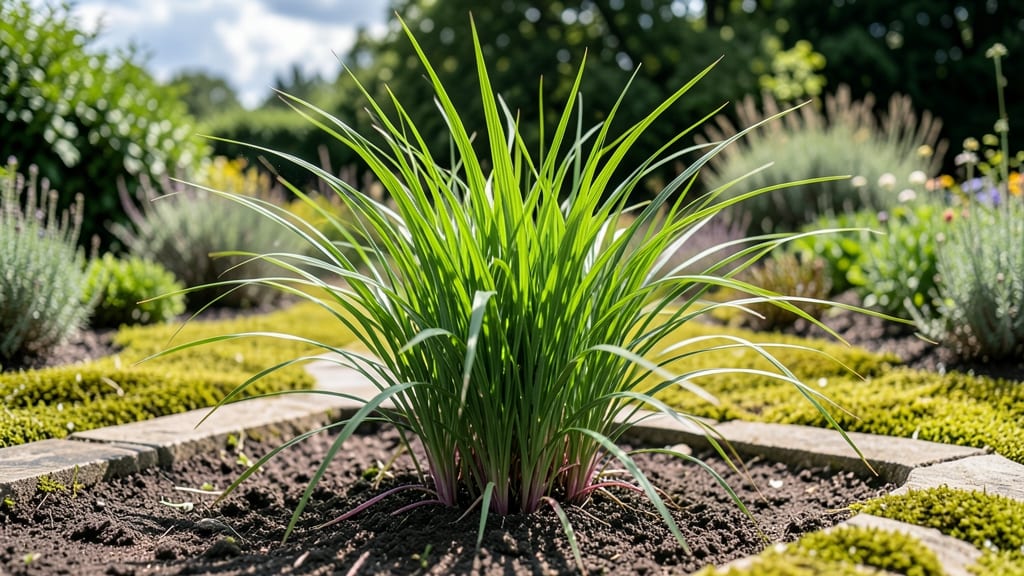
Deciding whether your citronella plant is perennial or annual depends on your climate—it thrives as a perennial in USDA Zones 9-11 but must be replanted annually in colder regions after frost damage. These tropical plants can't survive freezing temperatures, though some cold-hardy varieties endure brief chills down to 25°F with protective care.
Citronella's tropical roots explain why it struggles in freezing temperatures—its delicate foliage and shallow roots can't withstand frost. 🌱 In areas outside Zones 9-11, treating it as an annual simplifies growing since you avoid winter stress entirely.
However, with proper overwintering techniques like container protection or mulching, you can sometimes coax a second season from hardier plants. The key is understanding your local microclimate and choosing varieties bred for resilience.
For example, Java citronella (Cymbopogon nardus) handles cooler temps better than Eau de Cologne geranium (C. winterianus), though neither will survive prolonged freezing. If you live in Zone 8 or colder, plan to replant each spring—your summer's pest-repelling blooms will still be worth the effort!
💡 In This Article
- Citronella Plant Cold Tolerance and Hardiness Zones Explained
- How to Overwinter Citronella Plants in Cold Climates
Citronella plant cold tolerance and hardiness Zones explained
Citronella's tropical origins make it highly sensitive to cold—its ideal temperature range sits between 70-90°F, and any drop below 50°F triggers stress responses. The plant's large, delicate leaves freeze at 32°F, causing irreversible cell damage, while its shallow root system lacks the insulation to protect against ground frost.
This explains why USDA Zones 9-11 (average minimum 20-30°F) allow perennial growth, while colder regions force annual treatment.
The key difference between varieties lies in their genetic cold tolerance thresholds. Java citronella (Cymbopogon nardus) can handle brief exposures to 25°F with proper mulching, while Eau de Cologne geranium (C. winterianus) typically succumbs at 30°F.
Even hardier varieties won't survive prolonged freezing—their resilience comes from delayed frost damage rather than true winter hardiness. Think of it like a tropical fish in a chilly aquarium: it might survive brief cold snaps but will eventually succumb without precise temperature control.
USDA Zone classifications account for average annual minimum temperatures, but microclimates create exceptions. A citronella plant in Zone 8 might survive a mild winter near a south-facing wall, while one in Zone 9 could die from a late spring frost.
The 10-15°F buffer between zones explains why some gardeners in marginal areas treat citronella as a borderline perennial—success depends on protecting the plant from sudden temperature drops rather than absolute zone numbers.
What most people overlook is how cold affects different plant parts. While foliage dies at 32°F, the root crown can survive down to 20°F if protected by 4-6 inches of mulch.
This explains why some gardeners successfully overwinter citronella by cutting back stems and insulating the base—it's not about the plant's inherent hardiness, but about protecting its vulnerable growth points until warmer weather returns.
Consider this comparison: a Zone 9 plant might grow 3-4 feet tall with minimal care, while a Zone 7 plant of the same variety would reach only 1-2 feet before flowering due to heat stress.
The trade-off between hardiness and vigor creates the perennial/annual distinction—hardier varieties grow more slowly but survive winters, while faster-growing types thrive in warm climates but perish when frost arrives.
The science behind this involves cellular membrane integrity—cold causes ice crystals to form in plant tissues, rupturing cell walls. Citronella's tropical heritage means its membranes lack the protective proteins found in cold-hardy plants.
This is why even brief freezes can kill the plant, while gradual cooling (like autumn temperature drops) allows it to adapt its metabolism through a process called cold acclimation.
For gardeners in borderline zones, the choice between perennial and annual treatment comes down to risk tolerance. A Zone 8 gardener might successfully overwinter citronella one year but lose it the next due to unpredictable weather patterns.
The 50% chance of survival in marginal zones explains why most experts recommend treating citronella as an annual outside Zones 9-11—it's a calculated decision to avoid disappointment when winter arrives unexpectedly early.